






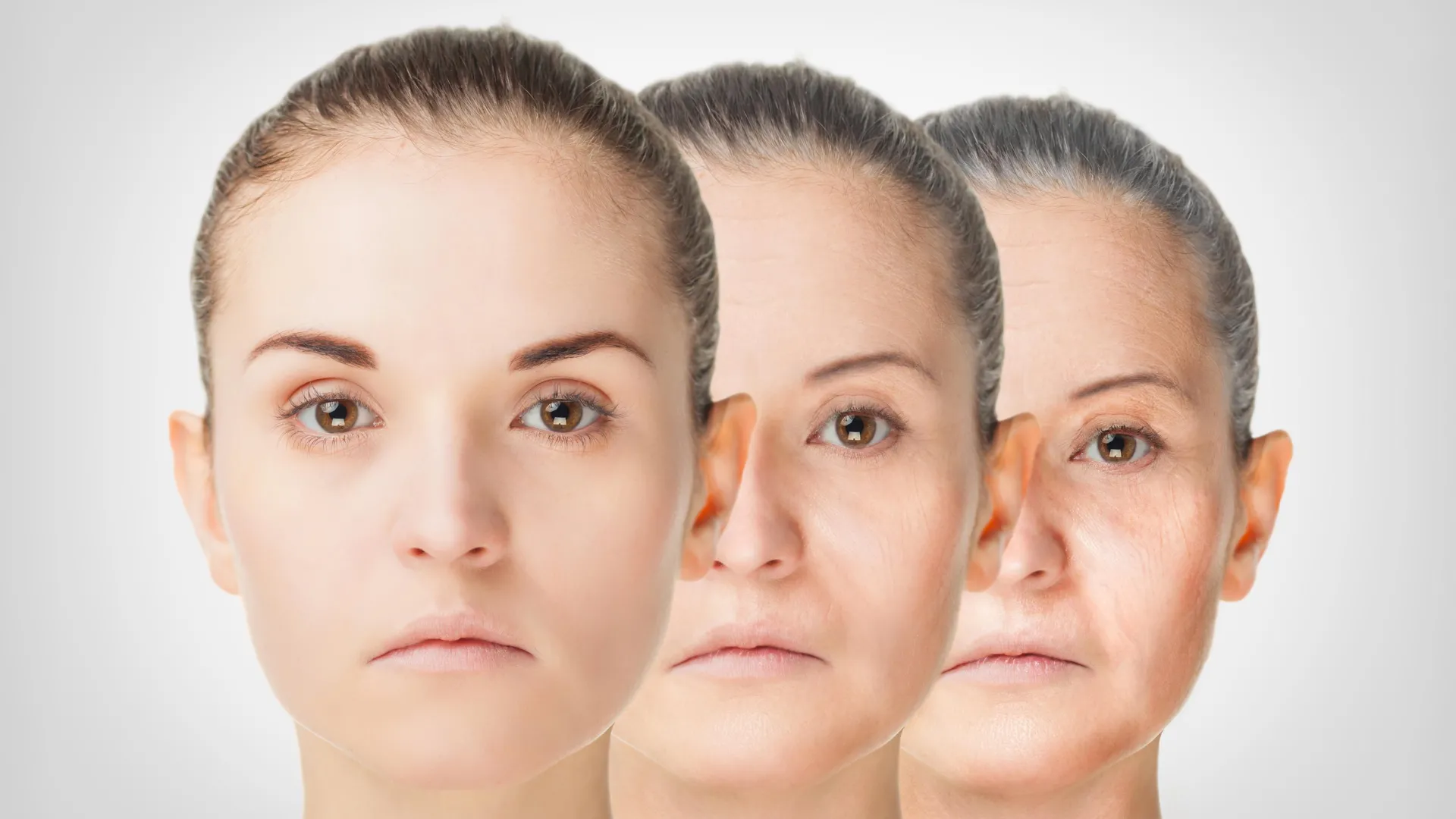
For generations, the scientific community viewed aging as a relentless, inevitable erosion—a gradual wear-and-tear process where individual organs simply run out of vitality. However, a revolutionary shift in gerontology is underway. Recent breakthroughs suggest that aging may not be a passive decline but rather a programmed biological process orchestrated by specific, modifiable circuits within the brain. At the heart of this new frontier is the hypothalamus, a small, walnut-sized structure that may hold the key to turning back the biological clock.
The Menin Discovery: A New Perspective on Aging
In March 2023, a study published in PLOS Biology sent shockwaves through the scientific community. Led by Dr. Lige Leng of Xiamen University, the research team identified a critical protein, Menin, which acts as a molecular guardian within the hypothalamus.
The researchers discovered that as mice aged, Menin levels plummeted within specific hypothalamic neurons. When the team genetically disabled Menin in younger mice, the results were dramatic: the animals experienced rapid systemic aging, including thinning skin, reduced bone mass, cognitive decline, and increased neuroinflammation. Conversely, when the researchers restored Menin levels in the ventromedial hypothalamus (VMH) of 20-month-old mice, the animals experienced a "rejuvenation" of sorts. Within just 30 days, their physical and cognitive markers improved, and their overall lifespan extended.
This discovery provided the first concrete evidence that the brain does not merely witness aging; it actively participates in driving it.
A Chronology of Discovery: Mapping the Hypothalamic Clock
The journey toward understanding the hypothalamus as an aging regulator has been rapid and multifaceted.
- 2023: The Menin Breakthrough: The foundational study by Leng et al. established that Menin deficiency triggers a cascade of inflammatory and metabolic failures that manifest as systemic aging.
- 2024: Expanding the Map: Researchers at Washington University School of Medicine identified a separate hypothalamic circuit communicating with fat tissue. By modulating this pathway, they successfully extended the lifespan of mice, confirming that multiple distinct circuits regulate longevity.
- 2024: Protective Mechanisms: Studies in the Journal of Physiology and Biochemistry highlighted that Menin serves as a shield for hippocampal cells against stress-induced programmed cell death, reinforcing its role as a neuroprotective agent.
- 2025: The Genomic Landscape: A massive analysis of 1.2 million mouse brain cells, published in Nature, pinpointed the third ventricle of the hypothalamus as a "hotspot" for aging, where genes related to inflammation and immune response show hyperactivity.
- 2026: Rhythms and Signals: Recent studies in Cell and Cell Metabolism have introduced new players, such as the protein Mimecan, and demonstrated that even the stabilization of daily biological rhythms in the hypothalamus can reverse DNA methylation markers associated with biological age.
Supporting Data: The Role of D-Serine
A fascinating offshoot of the Menin research is the discovery of D-serine’s role in cognition. Menin regulates the production of an enzyme called PHGDH, which is essential for the synthesis of D-serine. When Menin levels drop, D-serine—a critical amino acid for synaptic signaling and NMDA receptor function—also declines.
In the 2023 experiments, supplementing older mice with D-serine in their drinking water for just three weeks significantly improved memory and learning. However, the data revealed a crucial distinction: while Menin restoration reversed both physical aging (bone density, skin thickness) and cognitive decline, D-serine supplementation acted as a targeted cognitive enhancer. It did not fix the systemic physical markers, suggesting that Menin governs a vast, complex network, while D-serine is one specific "knob" that can be turned to improve brain function.
Official Responses and Scientific Interpretations
The scientific community has reacted with cautious optimism. Dr. Lige Leng, the lead researcher of the initial discovery, remains steadfast in his interpretation of the findings. "We speculate that the decline of Menin expression in the hypothalamus with age may be one of the driving factors of aging," Leng stated. "Menin may be the key protein connecting the genetic, inflammatory, and metabolic factors of aging."
However, other researchers urge temperance. The 2016 clinical trial involving 50 healthy older adults showed mixed results for D-serine, with only minor improvements in spatial learning and no significant changes in other cognitive metrics. Furthermore, a 2025 study in Cellular and Molecular Life Sciences added a layer of complexity: in models of Alzheimer’s disease, elevated D-serine was actually associated with pathological signaling.
These conflicting results underscore a vital lesson: biology is highly context-dependent. What is a "rejuvenating" dose for a healthy, aged brain may be detrimental in the presence of specific neurodegenerative diseases.
Implications: The Future of Anti-Aging Therapeutics
The implications of this research are profound. If the brain is the "command center" of systemic aging, then pharmacological or genetic interventions targeting hypothalamic pathways could theoretically slow, stop, or even reverse age-related deterioration.
1. Shifting the Focus from Organs to Systems
Traditional medicine often treats age-related diseases in silos: osteoporosis for bones, dermatology for skin, and neurology for memory. The Menin discovery suggests that these are merely symptoms of a central failure. Future therapeutic approaches may focus on "systemic regulators"—proteins or circuits that coordinate the health of the entire body from the brain downward.
2. The Promise of Targeted Supplementation
The potential for D-serine to sharpen cognitive function in the elderly is a tantalizing prospect. If safety protocols can be established and delivery methods refined, we could see the development of "cognitive supplements" designed to mimic the neurochemical profile of a younger brain. However, as the 2025 study warned, the potential for kidney toxicity and the risk of over-signaling in diseased brains necessitate rigorous, long-term clinical trials before such supplements can be recommended.
3. Ethical and Longevity Considerations
If scientists successfully identify a "cocktail" of interventions that can extend healthy human lifespan, society will face unprecedented challenges. Beyond the technical hurdles of gene delivery and protein regulation, we must consider the socio-economic impacts of significantly extended lifespans. Furthermore, the "biological age" vs. "chronological age" gap is widening, raising questions about how society will define and support an aging population that remains physically and cognitively vibrant into their second century.
Conclusion: A New Era of Biological Mastery
We are currently witnessing a shift in the paradigm of aging. The research into Menin, Mimecan, and the hypothalamus represents a transition from observing the decline of the human body to potentially editing the underlying code.
While we are not yet at a point where we can "cure" aging, the discovery that hypothalamic pathways can be manipulated to improve memory, bone mass, and metabolic function in mice provides a roadmap for future human clinical research. The next decade will likely be defined by the attempt to move these findings from the lab bench to the clinic.
As we continue to map the neural circuits of longevity, one thing is becoming increasingly clear: the brain is not just a passenger in the process of aging; it is the pilot. Whether we can eventually take control of the controls and steer that aging process toward a longer, healthier horizon remains the ultimate question of modern medicine. For now, the scientific community proceeds with rigorous, data-driven curiosity, aware that while the fountain of youth may not be a literal spring, it may very well be a specific protein deep within the base of the brain.