








For decades, the medical establishment has viewed cardiovascular disease through the lens of probability. Physicians have relied on risk calculators—analyzing blood pressure, cholesterol levels, and smoking history—to estimate the likelihood of a future heart attack or stroke. However, a landmark international study presented at the ESC Congress 2026 and simultaneously published in The New England Journal of Medicine suggests that this "estimation" model may be fundamentally flawed.
The study, titled REACT (Research on the Evolution of Atherosclerosis in the Cardiovascular Tree), reveals that the silent accumulation of arterial plaque—the primary driver of cardiovascular disease—is significantly more prevalent in the healthy population than previously recognized, appearing in young adults as early as their late teens.
The Main Facts: A New Reality of Cardiovascular Health
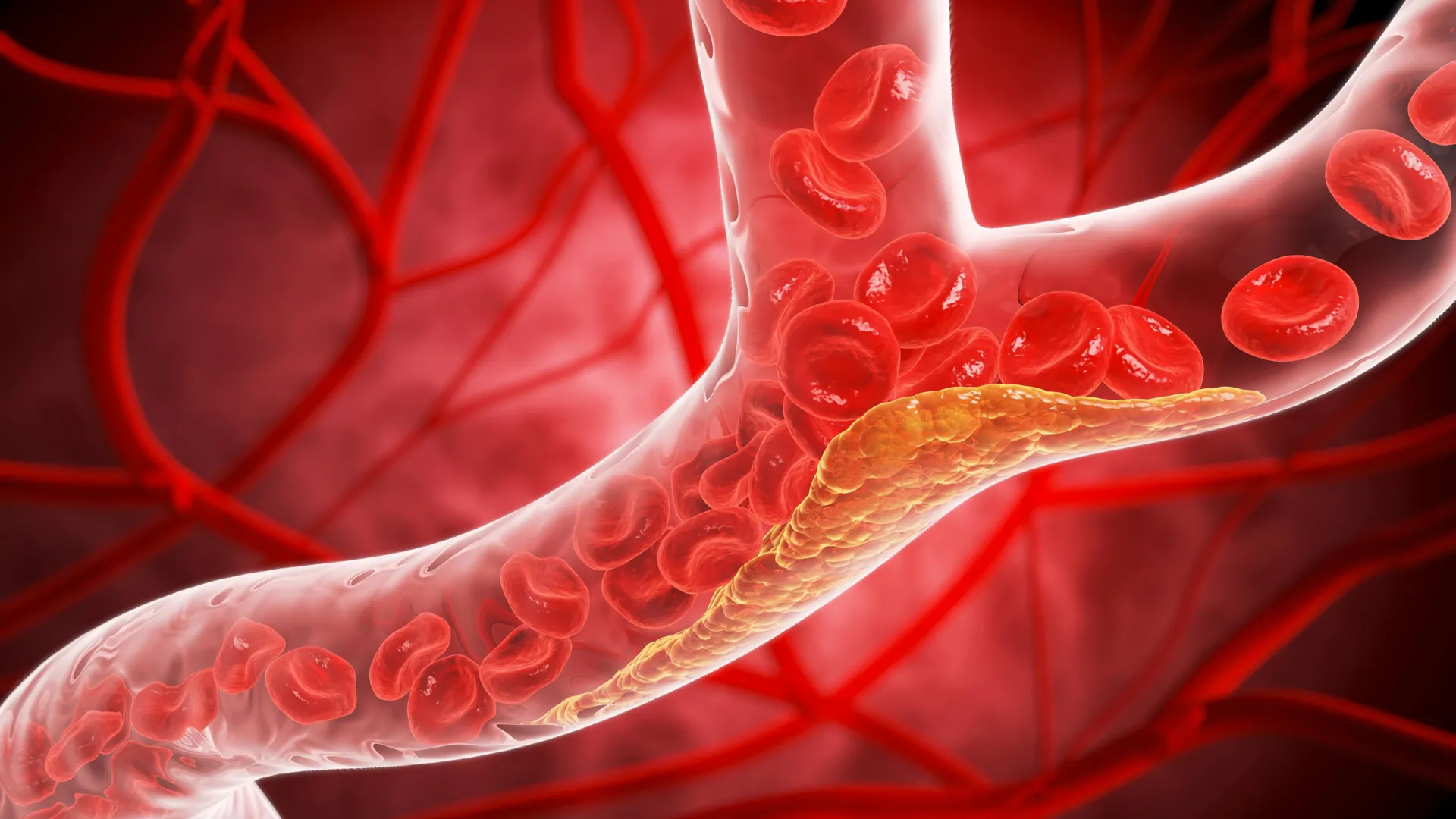
Atherosclerosis, the gradual buildup of fatty deposits known as plaque within the arteries, is the silent engine behind the world’s leading cause of death. Cardiovascular disease claims nearly 20 million lives annually, yet for the vast majority of these patients, the first sign of illness is a life-altering event like a heart attack or stroke.
The REACT study, led by Professor Henning Bundgaard of Rigshospitalet in Copenhagen and Dr. Borja Ibáñez of the Centro Nacional de Investigaciones Cardiovasculares (CNIC) in Spain, enrolled 16,808 participants aged 18 to 70. None of the participants had a prior history of cardiovascular disease. Using advanced imaging, researchers examined the carotid (neck), femoral (leg), and coronary (heart) arteries. The results were stark: 57.1% of these "healthy" individuals already harbored atherosclerotic plaques.
This finding shifts the medical narrative from "predicting risk" to "detecting disease." By identifying the presence of plaque before symptoms emerge, the researchers argue that medicine can transition from reactive treatment to proactive, precision-based prevention.
Chronology: The Evolution of the REACT Initiative
The REACT project represents one of the most ambitious cardiovascular research undertakings in history. Its inception and execution are structured to provide a multi-year, longitudinal view of how arterial health changes across the human lifespan.
- 2024: Phase 1, dubbed REACT-DETECT, commenced. This phase focused on establishing a baseline of disease prevalence across different age demographics and vascular territories in Denmark and Spain.
- August 2026: The preliminary results of Phase 1 were unveiled at the ESC Congress. The data provided a comprehensive atlas of silent atherosclerosis, detailing how the disease manifests differently across age, sex, and vascular sites.
- 2027–2032 (Proposed): Subject to continued funding, Phase 2, REACT-PROTECT, will launch. This phase aims to move beyond observation to intervention, testing whether imaging-guided treatment can effectively slow or regress the progression of plaque in at-risk individuals.
The project is supported by a EUR 23 million grant from the Novo Nordisk Foundation, reflecting the global significance of addressing the "hidden" burden of heart disease.
Supporting Data: Mapping the Silent Progression
The data collected during the first phase of REACT provides the most granular look at arterial health ever assembled. By cross-referencing imaging results with blood biomarkers, retinal scans, and omics data, the researchers have identified several critical patterns:
The Early Onset
Perhaps the most alarming statistic is the early emergence of plaque. Among participants aged 18 to 29, roughly 1 in 13 already showed signs of atherosclerosis in at least one arterial site. As the age bracket increased, so did the prevalence:
- Ages 18–29: ~7.7% prevalence
- Ages 60–70: ~90% prevalence
Sex-Based Differences
The study highlighted distinct biological trajectories between men and women. Men typically show an earlier onset of arterial plaque, with the disease process appearing roughly five to ten years ahead of their female counterparts. Conversely, women experience a rapid acceleration of plaque buildup between the ages of 40 and 60—a period that correlates with the menopausal transition. These findings suggest that current generic risk assessment models are insufficient, as they fail to account for these sex-specific developmental windows.
The Diagnostic "Shortcut"
A crucial discovery for public health policy is the overlap of plaque across different arteries. The data shows that individuals with coronary artery plaque almost invariably possess signs of disease in their carotid or femoral arteries. This is a game-changer for screening: while examining the coronary arteries requires complex, invasive, or expensive CT scans, the carotid and femoral arteries can be assessed using portable, non-invasive ultrasound. This implies that widespread, low-cost screening could be feasible in clinical settings around the world.
Official Responses and Strategic Implications
The leadership of the REACT study views these findings as a catalyst for a global paradigm shift.
Dr. Borja Ibáñez emphasized the limitations of the current medical approach: "For decades, we have estimated cardiovascular risk using factors such as age, blood pressure, and cholesterol. This study shows that we can now go one step further and detect the disease directly before it causes a heart attack or stroke."
Professor Henning Bundgaard echoed this sentiment, framing the research as an opportunity for precision medicine: "The vision of REACT is to transform primary cardiovascular prevention through a precision medicine approach based on the early identification of atherosclerosis. Until now, preventive decisions have been based on an estimate of risk, but we did not know whether the disease was already present."
Dr. Valentin Fuster, Director General of CNIC and a pioneer in the earlier PESA study, noted the potential for even greater breakthroughs. "For years, we have proposed that early intervention in atherosclerosis could not only prevent its progression but might even make it possible to cure the disease. REACT will answer this question," he stated.
Future Implications: Can We "Cure" Atherosclerosis?
The implications of the REACT study extend far beyond the clinic. If the medical community moves toward a model of early detection via ultrasound, the standard of care for millions could change overnight.
1. Rethinking Risk Assessment
Current risk scores, such as SCORE2, are clearly missing a vast portion of the population that is already walking around with active, yet asymptomatic, disease. A person may have "normal" cholesterol levels but still harbor significant plaque. Future prevention strategies will likely prioritize direct imaging over indirect scoring, allowing for more aggressive interventions in those who actually have the disease.
2. Global Scalability
The study is currently expanding its reach to India, Singapore, Tanzania, and Mexico. By validating these findings across diverse genetic and environmental landscapes, the researchers aim to create a universal tool for identifying atherosclerosis. The portability of ultrasound technology means that this level of diagnostic care could eventually reach underserved regions where advanced cardiac imaging is currently unavailable.
3. The Path to Intervention
The ultimate goal of the upcoming Phase 2 (REACT-PROTECT) is to determine whether we can stop the progression of these plaques. If randomized clinical trials can prove that early pharmacological or lifestyle intervention—triggered by a positive ultrasound result—significantly reduces the risk of future clinical events, it would represent one of the most significant advancements in the history of cardiology.
Conclusion
The REACT study serves as a wake-up call for both the medical community and the general public. It challenges the long-held assumption that cardiovascular health can be accurately managed through indirect risk factors alone. By exposing the reality of "silent" atherosclerosis in young and middle-aged adults, the research team has provided the roadmap for a new era of preventative medicine.
As the project scales globally and moves toward testing actual intervention outcomes, the hope is that the "silent" nature of this disease will finally be silenced—not by a heart attack, but by the proactive, informed, and precise actions of a modern medical system. The evidence is clear: the disease is there, waiting. With the tools identified by REACT, we may finally be equipped to find it before it finds us.