





The post-workout glow is a fleeting sensation. For many, the high of a personal best or a grueling session at the gym is inevitably followed by the creeping onset of Delayed Onset Muscle Soreness (DOMS). As this discomfort settles in, often lingering for days, it transforms the simple act of climbing stairs or lifting a grocery bag into a daunting challenge.
In response, the modern fitness enthusiast has turned to an array of recovery "hacks." Once the exclusive domain of elite Olympic athletes and professional sports teams, these techniques—ranging from sub-zero ice baths to high-tech compression garments—have permeated social media feeds and local gym culture. But as the market for recovery products explodes, a critical question arises: Are these interventions actually accelerating our progress, or are we paying for a placebo effect while potentially blunting the very adaptations we strive to achieve?
Main Facts: The Science of Recovery
The fundamental goal of exercise is to induce stress on the body, which, during the rest period, forces the body to adapt and grow stronger. This process, known as supercompensation, relies on the body’s natural inflammatory response to repair microscopic muscle tears.
The industry’s current obsession with "rapid recovery" often overlooks this basic biological principle. When we seek to aggressively dampen inflammation—the body’s natural signal to build muscle—we may inadvertently be sabotaging our own long-term gains. While many products on the market promise faster recovery and reduced soreness, the scientific literature remains nuanced, often revealing that what feels better is not always performing better.
Chronology of the Recovery Trend
The shift toward "pro-sumer" recovery began in earnest over the last decade, accelerated by the rise of Instagram and TikTok influencers who showcased high-end, professional-grade equipment in home settings.
- The Early Era (2010–2015): Recovery was largely limited to post-workout protein shakes and static stretching. Professional teams began utilizing cryotherapy and pneumatic compression, but the technology remained inaccessible to the general public.
- The Rise of the "Bio-Hacker" (2016–2020): As wearable technology and recovery brands emerged, the "elite athlete" lifestyle became a status symbol. Home ice plunges and percussion massage guns moved from training facilities to suburban garages.
- The Scientific Scrutiny (2021–Present): As adoption rates reached an all-time high, independent researchers began conducting rigorous, placebo-controlled studies to determine if these tools were truly effective. The findings have created a rift between marketing claims and physiological reality.
Supporting Data: Assessing the Tools
Ice Baths and Cryotherapy
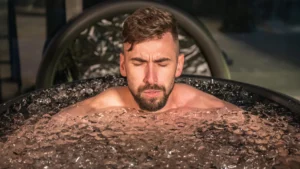
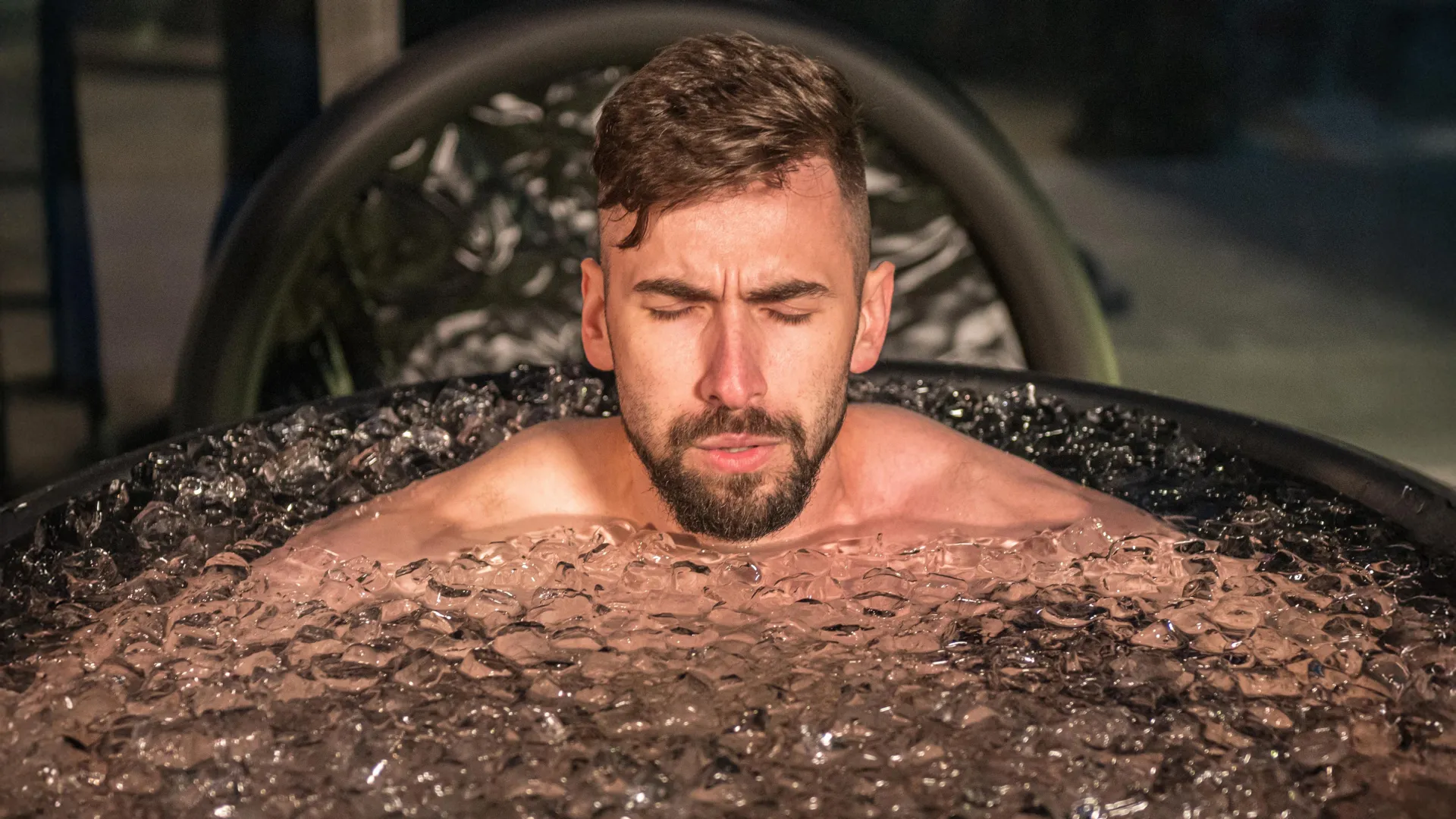
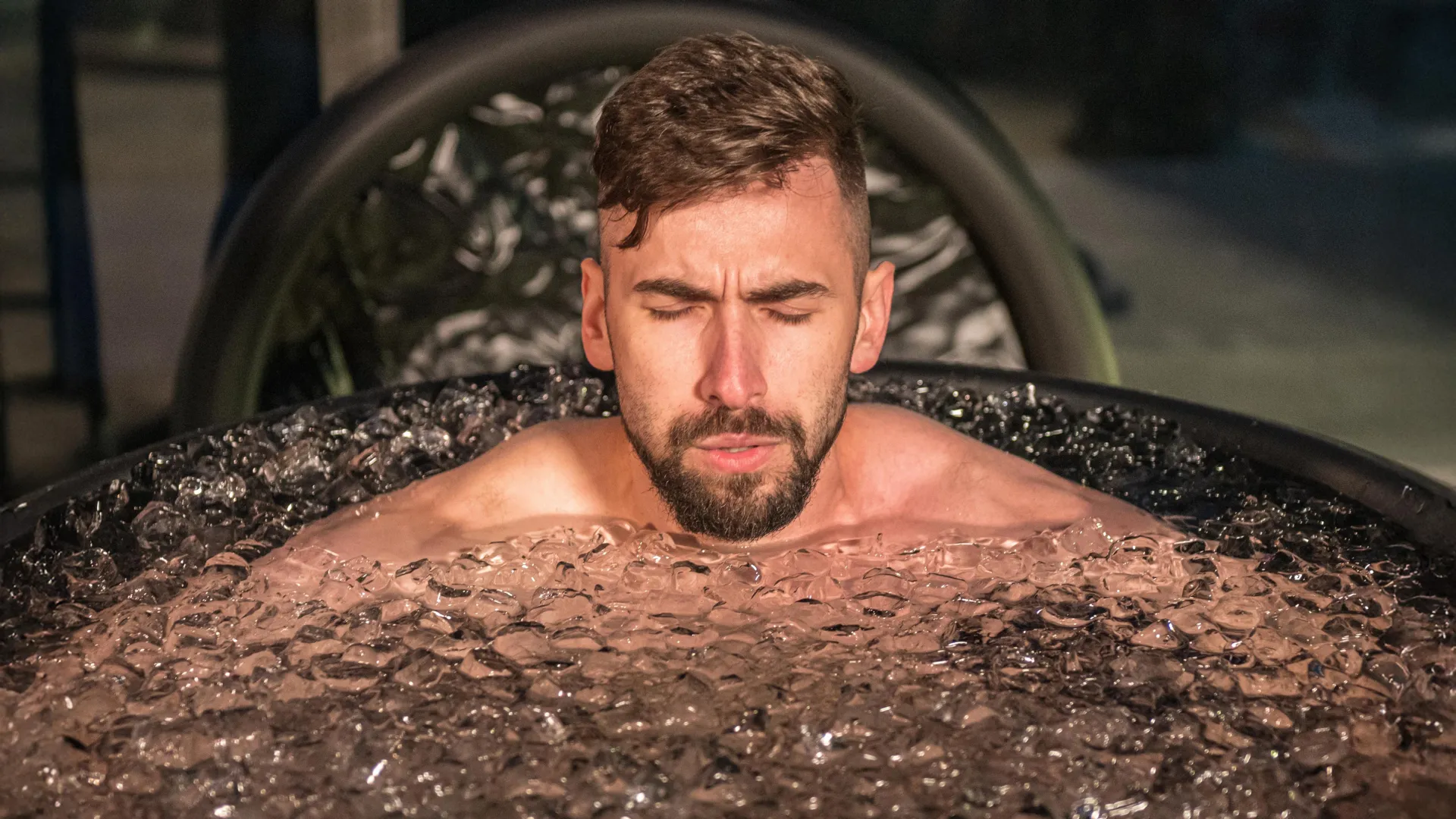
The practice of plunging into water below 15°C has garnered significant attention for its ability to numb pain. Research confirms that ice baths effectively reduce inflammation, which can indeed minimize soreness within a 24-hour window.
However, the "catch" is substantial. Inflammation is the primary trigger for muscle hypertrophy. Studies, such as those published in the Journal of Physiology, suggest that regular, habitual use of cold immersion after strength training can blunt the activation of satellite cells—the cells responsible for muscle repair and growth. Consequently, while a cold plunge might help you feel less sore for a weekend social event, it may hinder your progress toward long-term strength goals.
Compression Garments
Compression gear is designed to apply external pressure, ostensibly enhancing circulation and reducing swelling. While users consistently report feeling "fresher," the objective data is less optimistic. A 2022 study utilizing placebo-controlled testing found that while compression garments did objectively improve blood flow, this did not translate to a measurable restoration of muscle function. Essentially, the gear might make the legs feel tighter and more supported, but it does not physically accelerate the repair of damaged muscle fibers.
The Role of Massage
Massage remains one of the most scientifically backed recovery interventions, largely due to its ability to soothe the nervous system. By reducing muscle stiffness and promoting relaxation, massage effectively lowers the perception of soreness. Yet, when researchers look at objective measures of performance—such as power output or sprint speed in the days following a massage—the results are modest at best. Massage is an excellent tool for comfort, but it is not a "performance reset" button.
Nutritional Supplements: Fact vs. Marketing
The supplement industry has successfully branded recovery as something that can be "bottled." However, nutrition is a spectrum where whole foods consistently outperform processed powders.
- Whey Protein: Widely considered the gold standard, whey is rich in leucine and essential amino acids, which are critical for protein synthesis. While it is highly effective for recovery, it is simply a convenient form of protein; it does not possess magical recovery properties that a piece of chicken or a serving of Greek yogurt wouldn’t offer.
- BCAAs (Branched-Chain Amino Acids): Often marketed as the "holy grail" of muscle sparing, BCAAs are frequently inferior to complete protein sources. Because muscle repair requires the full spectrum of essential amino acids, consuming isolated BCAAs is akin to trying to build a house with only one type of brick.
- Tart Cherry Juice: This has emerged as a promising supplement due to its high polyphenol content. Emerging evidence suggests it may have a small-to-moderate effect on reducing post-workout soreness and inflammation. It is one of the few supplements where science actually supports the marketing hype, though it should still be viewed as a supplementary aid rather than a replacement for proper nutrition.
- Omega-3s: While often touted for their anti-inflammatory properties, the clinical evidence for fish oil in accelerating muscle recovery is inconsistent. They are beneficial for overall heart and brain health, but they are unlikely to make a significant dent in your post-leg-day soreness.
Official Responses and Expert Consensus
Leading sports physiologists and exercise scientists are increasingly pushing back against the "recovery-at-all-costs" mentality. Dr. Elena Vance, a lead researcher in sports performance, notes: "There is a dangerous trend of prioritizing recovery tools over recovery fundamentals. Athletes are spending hundreds on compression boots but failing to prioritize sleep, which is the only period where true, deep-tissue repair occurs. We are seeing a shift where people want to buy their way out of the discomfort of hard work."
The consensus among the scientific community is that the body is remarkably adept at recovering on its own. The "recovery market" often capitalizes on the human desire to avoid discomfort, but by mitigating that discomfort through artificial means, we may be interrupting the body’s natural adaptation signals.
Implications: The Path Forward
The implications for the average gym-goer are profound. If we are constantly utilizing ice baths, NSAIDs, and excessive supplementation, we may be sacrificing the physiological adaptation that makes us stronger.
The "Recovery Hierarchy"
If you want to recover effectively, you must return to the basics:
- Sleep: Quality sleep of 7–9 hours is the non-negotiable foundation of muscle repair.
- Nutrition: A balanced diet rich in whole foods provides the macronutrients and micronutrients necessary for repair.
- Hydration: Proper fluid intake is essential for nutrient transport and waste removal.
- Gradual Loading: Often, extreme soreness is a sign that the training intensity increased too quickly. Adjusting the training program is a more effective "recovery tool" than any ice bath.
Conclusion: Recovery Cannot Be Bottled
The ultimate takeaway is that there is no shortcut to physical progress. While techniques like massage or tart cherry juice may offer minor, transient benefits, they are merely accessories to the process. The "pain" of a tough workout is not an enemy to be eliminated; it is the feedback mechanism of a body in the process of becoming stronger.
In an era where technology promises to optimize every second of our lives, it is worth remembering that human physiology evolved over millions of years to heal itself. The most effective recovery strategy is not found in a shop or a cold tub—it is found in the quiet, consistent discipline of sleeping well, eating nutritiously, and allowing the body the time it needs to do what it does best: adapt.