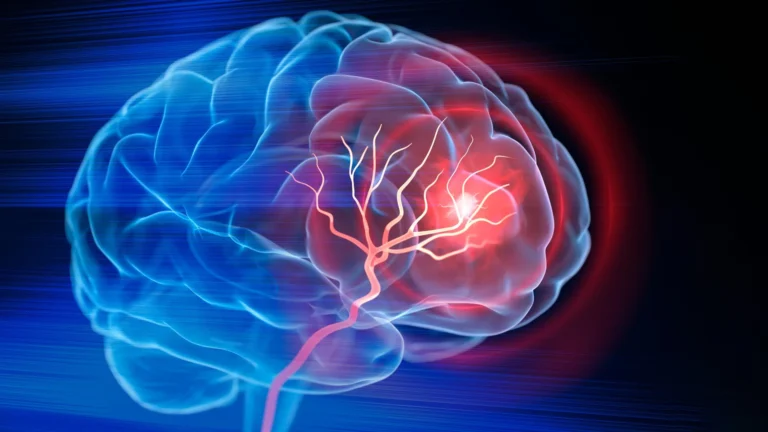








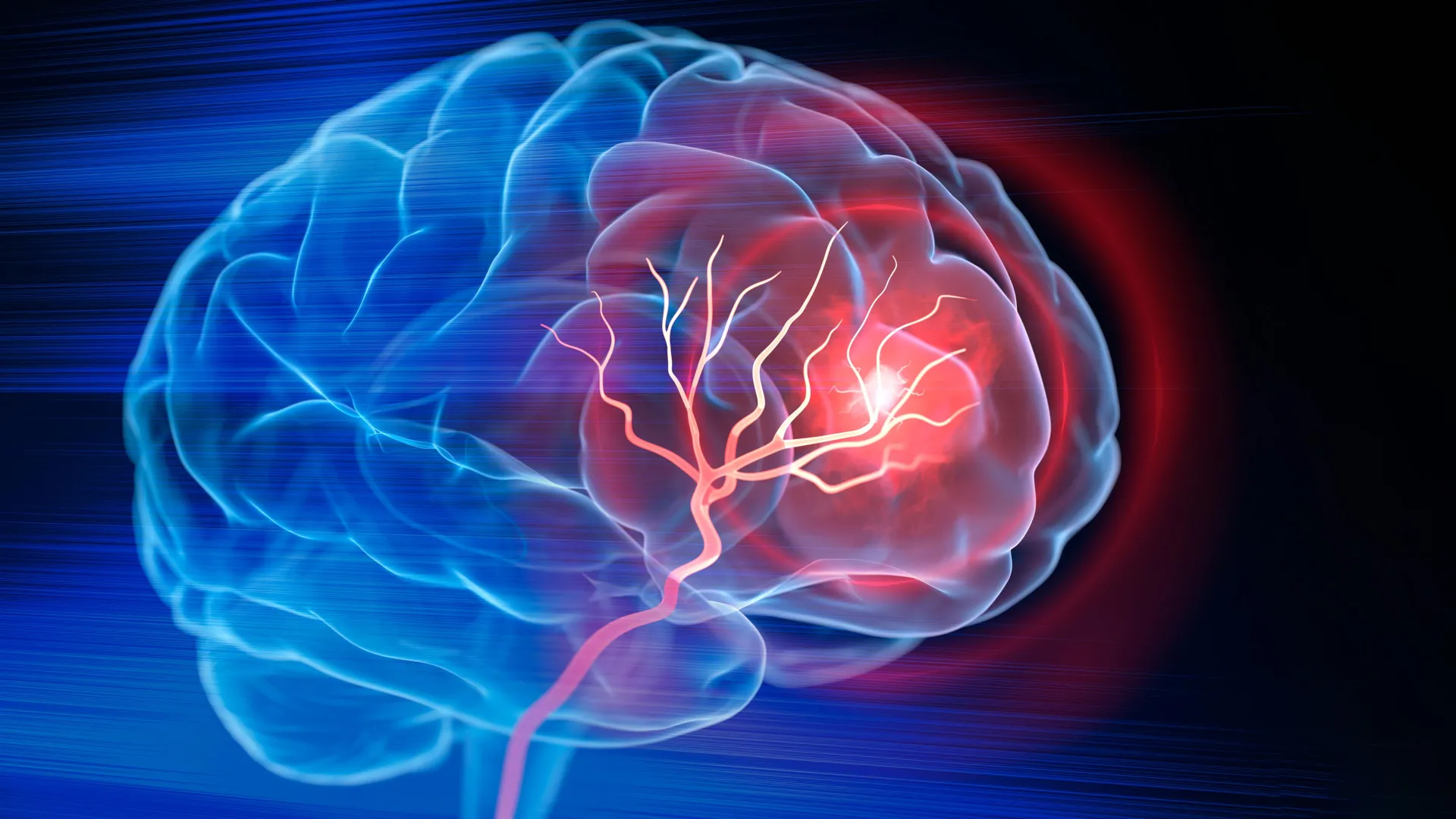
For generations, the medical community and the public alike have viewed the stroke as a "disease of aging"—a medical crisis typically associated with retirement, brittle arteries, and the natural wear and tear of advanced years. However, a landmark study published on September 23, 2026, in Neurology, the official journal of the American Academy of Neurology, has dismantled this long-held perception.
The data, derived from a comprehensive three-decade analysis in the Greater Cincinnati and Northern Kentucky region, reveals a stark and troubling reality: stroke rates among adults aged 20 to 54 have nearly doubled. As medical science celebrates improvements in survival rates, this paradoxical rise in incidence suggests that a new, younger demographic is increasingly vulnerable to the life-altering consequences of cerebrovascular events.
The Anatomy of the Study: Tracking Three Decades of Data
To quantify the shifting landscape of stroke epidemiology, researchers conducted a longitudinal study covering the years 1993 through 2020. By examining 2,076 medical cases of first-time strokes within the 20–54 age bracket, the team was able to provide a granular view of how modern lifestyle factors and medical interventions have intersected over nearly 30 years.
A Statistical Breakdown
The numbers are sobering. In the 1993–1994 period, the incidence rate was recorded at 33.9 cases per 100,000 person-years. By 2020, that figure had surged to 62.2 cases per 100,000 person-years. This represents an approximate 83% increase in occurrence.
"Person-years" is a critical metric in this context. It accounts for both the number of individuals in the study and the total duration of their observation, providing a robust "denominator" that allows scientists to compare the frequency of strokes across different eras. The dramatic jump in this metric confirms that the increase is not merely a byproduct of a larger population, but a genuine rise in the frequency of the medical event itself.
Ischemic Strokes: The Primary Culprit
While the study examined various types of cerebrovascular accidents, it identified a clear driver behind the rising numbers: the ischemic stroke.
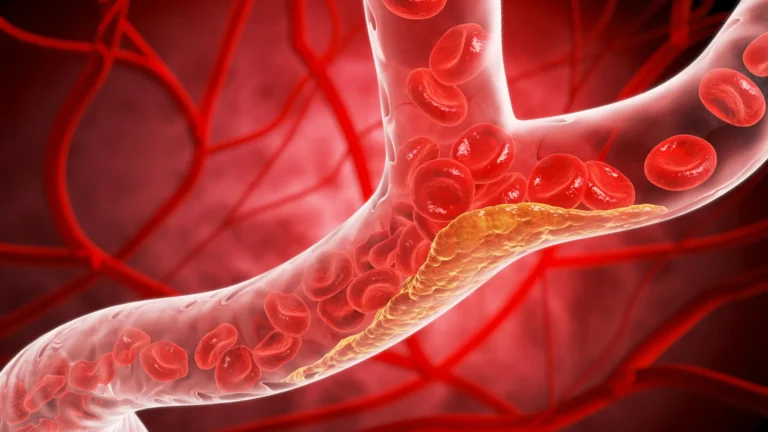
An ischemic stroke occurs when a blood vessel supplying the brain becomes obstructed—often by a clot—effectively cutting off the flow of oxygen and essential nutrients to brain tissue. Because brain cells are highly sensitive to oxygen deprivation, damage can begin within mere minutes of an obstruction.
The data indicates that the incidence of ischemic strokes in younger adults skyrocketed from 23.8 per 100,000 person-years in the early 1990s to 47.3 in 2020. Conversely, the study found no comparable statistical rise in hemorrhagic strokes—those caused by bleeding directly into the brain or the surrounding space. This specificity suggests that the triggers for the current surge are likely linked to metabolic and vascular health rather than structural vessel weaknesses.
The "Perfect Storm": Unpacking Emerging Risk Factors
The researchers sought to correlate these strokes with known risk factors, and the trends uncovered provide a roadmap of modern health challenges. Among the younger population, there has been a documented uptick in several high-risk health conditions, including:
- Hypertension: The "silent killer" remains a leading cause of arterial damage, even in younger demographics.
- Diabetes: Rising rates of metabolic syndrome are placing younger adults at higher risk for vessel inflammation.
- Atrial Fibrillation: This irregular heartbeat is a known catalyst for blood clots that can migrate to the brain.
The Substance Use Factor
Perhaps the most startling observation involves the rise of substance use. Among the younger adults who experienced a stroke, documented substance use rose from 4.6% in 1993–1994 to 40.2% by 2020. A significant portion of this spike was explicitly associated with marijuana use.
However, Dr. Emily R. Fisher, MD, of the University of Cincinnati and lead author of the study, advises caution in drawing premature conclusions. "While we see a correlation, we cannot definitively state that substance use is the sole driver of this rise," she noted. Because the study lacked a control group of healthy individuals without strokes, the researchers could not establish a direct causal link, highlighting the need for further, more targeted investigation.
Survival vs. Quality of Life: The Double-Edged Sword
In a display of medical progress, the study offered a silver lining: survival rates for younger stroke victims have improved. After adjusting for variables like age, sex, and race, the 30-day mortality rate for younger patients fell from 11.7% in 1993–1994 to 9.4% in 2020.
Yet, this success story contains a hidden burden. "More people are surviving these strokes," says Dr. Fisher, "which means more younger adults may be living with the long-term effects of stroke."
Surviving a stroke is rarely the end of the journey. Depending on the brain region impacted, survivors often face decades of managing:
- Cognitive impairments: Memory loss, difficulty with executive function, and focus.
- Physical disability: Paralysis, tremors, or issues with balance and coordination.
- Speech and language disorders: Aphasia or challenges with articulation.
For a 30-year-old, a stroke-induced disability is not a short-term crisis; it is a life-altering condition that impacts careers, family dynamics, and mental health for the next several decades.
Implications for Public Health and Future Policy
The implications of this study are profound. If the trend observed in Greater Cincinnati and Northern Kentucky is reflective of a national or global phenomenon, the healthcare system is facing a looming crisis of chronic, long-term disability among the working-age population.
A Call for Proactive Management
The researchers emphasize that the era of waiting until age 60 to monitor for stroke risk is over. "Our findings highlight the importance of identifying and managing stroke risk factors early in adulthood," Dr. Fisher explained. Primary care physicians are being urged to screen younger patients more aggressively for blood pressure, glucose levels, and heart rhythm irregularities.
Limitations and the Path Ahead
While this study provides a vital wake-up call, the authors are the first to acknowledge its limitations. Because it was geographically confined to the Cincinnati/Northern Kentucky area, the findings may not be perfectly representative of the entire United States. Furthermore, the lack of a comparison group means that scientists cannot yet definitively isolate the "why" behind the surge.
Future research is already being planned to address these gaps. Scientists hope to leverage national databases to see if the trends hold across diverse demographics and to isolate the roles of environmental factors, diet, and evolving substance use patterns.
Conclusion: A Shift in Perspective
The findings published in Neurology serve as a clarion call for a societal shift in how we view brain health. We can no longer afford to view strokes as an inevitable consequence of aging. When nearly 83% more young people are falling victim to ischemic strokes compared to three decades ago, it is clear that the modern environment—characterized by changing metabolic health and evolving lifestyle choices—is placing an unprecedented strain on the vascular systems of the young.
The progress in survival rates is a testament to the advancements in emergency stroke care. However, the true measure of success moving forward will not just be how many lives we save, but how many we can prevent from being permanently altered by a stroke in the first place. Early detection, rigorous management of risk factors, and a deeper scientific understanding of the causes are the necessary pillars for reversing this trend and protecting the health of future generations.
This study was supported by the Greater Cincinnati/Northern Kentucky Stroke Study, a long-term research initiative dedicated to improving stroke outcomes and understanding the evolving epidemiology of the condition.