









In the high-speed world of modern wellness, where synthetic serums and clinical supplements often dominate the conversation, a quiet, viscous, and ancient remedy has captured the digital zeitgeist. From viral TikTok demonstrations of "belly button oiling" to influencers touting castor oil packs for glowing skin and metabolic health, castor oil has officially returned to the cultural consciousness.
Yet, for those steeped in the tradition of Ayurveda, this is not a new "hack." It is a homecoming. Known as Eranda in Sanskrit, the castor plant has been a cornerstone of Ayurvedic medicine for thousands of years. Far from being a mere trend, its usage is backed by a sophisticated, millenia-old framework of constitutional health that emphasizes individual care over universal prescriptions.
Main Facts: The Anatomy of a Therapeutic Staple
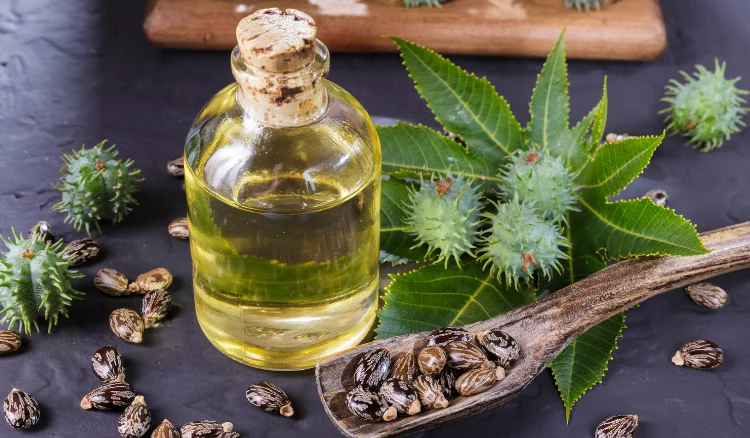
Castor oil is derived from the seeds of the Ricinus communis plant. In Ayurvedic texts, its physical properties—heavy, oily, sharp, and subtle—give it a unique therapeutic profile. It possesses a sweet, pungent, and astringent taste, but its most fascinating characteristic is its dual-natured energy: it is heating when ingested, yet cooling when applied topically.
This rare combination allows it to balance all three doshas—Vata, Pitta, and Kapha—provided it is used correctly. While modern wellness content often treats castor oil as a "one-size-fits-all" solution, Ayurveda dictates that the application must be tailored to the individual’s unique body type.
- Vata (Air and Space): Characterized by movement and dryness. When imbalanced, Vata manifests as cracked joints, constipation, and rough skin.
- Pitta (Fire and Water): Governed by transformation. Excess Pitta leads to inflammation, burning sensations, and digestive acidity.
- Kapha (Earth and Water): Responsible for structure. Excess Kapha leads to congestion, weight gain, and sluggishness.
Chronology: From Celestial Musicians to Modern Medicine
The history of the castor plant is as rich as the oil itself. Ancient Ayurvedic scholars frequently compared the plant’s broad, hand-like leaves to the open palm of a celestial musician, symbolizing the "healing gesture of giving."
For centuries, Eranda has been documented as a potent remedy for joint pain, liver detoxification, skin health, and colon cleansing. Dr. Vasant Lad, a renowned authority in the field, has spent decades formalizing these ancient teachings for modern practitioners.
The recent surge in popularity represents a shift in consumer consciousness. People are increasingly disillusioned with "quick-fix" synthetic solutions and are actively seeking nature-based wisdom that has withstood the test of time. While social media algorithms have propelled it into the spotlight, the fundamental principles of its application remain rooted in the clinical traditions of the past.
Supporting Data: Tailored External Protocols
The true power of castor oil lies in its versatility. According to Ayurvedic practitioners, the most accessible entry point for beginners is through external application.
For Vata: Nourishment and Grounding
When the body is depleted, castor oil acts as a deep conditioner. By mixing it with sesame oil—the "king" of Vata-balancing oils—individuals can create a blend that softens the skin and penetrates deep into the tissues to alleviate aches. For joint pain, a warm castor oil compress is a classical recommendation: the heat of the oil works in tandem with the wrap to move stagnant energy without the harshness of pharmaceutical pain relievers.
For Pitta: Cooling the Internal Fire
Pitta types often experience heat-related symptoms, such as burning eyes or inflamed skin. Dr. Vasant Lad famously suggests placing a single drop of high-quality castor oil in each eye at bedtime to soothe alochaka pitta (the sub-dosha governing vision). Furthermore, for those sensitive to the sun, a mixture of half castor oil and half neem oil serves as a natural, cooling barrier, protecting the skin from UV-induced inflammation.
For Kapha: Stimulating and Clearing
For those prone to accumulation, the "belly button" practice is paramount. The navel, or nabhi, is considered the meeting point of prana (vital life force) and apana vayu (downward-moving energy). Applying warm castor oil to the navel in circular strokes, followed by a period of resting in morning sunlight, is designed to stimulate the liver and spleen, helping to release the stagnation often associated with Kapha imbalance.
Official Responses and Clinical Perspectives
While the wellness community celebrates the efficacy of castor oil, The Ayurvedic Institute emphasizes that its power must be respected, particularly regarding internal use.
"Internal use of castor oil is not a casual endeavor," note experts at the Institute. Because the oil acts as a potent purgative, the dosage, carrier, and timing must be calibrated to the individual’s constitution. Misuse can lead to digestive disruption rather than healing.
Contraindications include:
- Pregnancy.
- Ulcerative gastrointestinal conditions.
- Acute inflammatory bowel disease.
- Cases of impacted stool (where gentle stimulation is required, not a strong purgative).
Professional Ayurvedic practitioners serve as the necessary bridge between this ancient, potent herb and the modern user, ensuring that the oil is used as a vehicle to carry nutrients deeper into the tissues rather than as a harsh chemical intervention.
Implications: The Deeper Invitation
The castor oil "trend" serves as a microcosm of a larger societal shift. We are witnessing a mass exodus from the synthetic, standardized wellness model toward a more holistic, individualized, and earth-centered philosophy.
However, the implications go beyond just oiling the skin or the navel. The true value of this movement is that it encourages people to ask, "What is my constitution?" and "What does my body need right now?" This is the core of Ayurveda—not a set of rules, but a system of self-awareness.
Addressing the FAQs of the Modern User
Is castor oil safe for daily use?
Externally, yes. It is well-tolerated and highly supportive for daily self-care routines, such as hair conditioning or skin nourishment. Internally, however, it is a powerful medicine that should only be used under the guidance of a professional.
Why the belly button?
In the classical tradition, the navel is a critical junction for the body’s energy pathways. Oiling this area is believed to improve the flow of prana and stimulate the abdominal organs, making it an excellent practice for digestive health, particularly for those with a Kapha-dominant constitution.
Can it solve digestive issues?
Castor oil has been a primary tool for digestive health for thousands of years. It is a key component in Gandharva Haritaki, a famous colon-cleansing formula. However, the efficacy depends entirely on the "carrier" (the substance it is mixed with) and the dosage. A consultation with a practitioner is essential to ensure the protocol matches your specific digestive needs.
Conclusion: A Path Back to Wisdom
The resurgence of castor oil is a testament to the fact that ancient truths never truly go away; they simply wait for us to be ready to listen. As we move forward, the challenge for the modern wellness consumer is to move past the surface-level trends and engage with the deeper, more complex wisdom of Ayurveda.
Whether you are seeking relief for dry skin, digestive sluggishness, or simply a more grounding self-care routine, castor oil offers a bridge to a healthier, more balanced life. By approaching this "Golden Elixir" with both curiosity and respect, we can do more than just follow a trend—we can cultivate a lifetime of wellbeing.
For those eager to deepen their understanding, resources such as The Ancient Ayurvedic Guide to Castor Oil and professional training programs at institutions like The Ayurvedic Institute offer the next steps on this path. The wisdom is here, the plants are waiting, and the journey toward personal health is entirely yours to take.