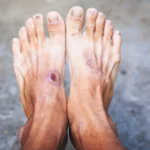






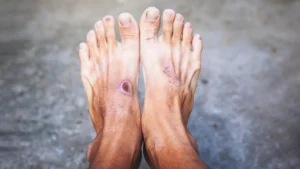

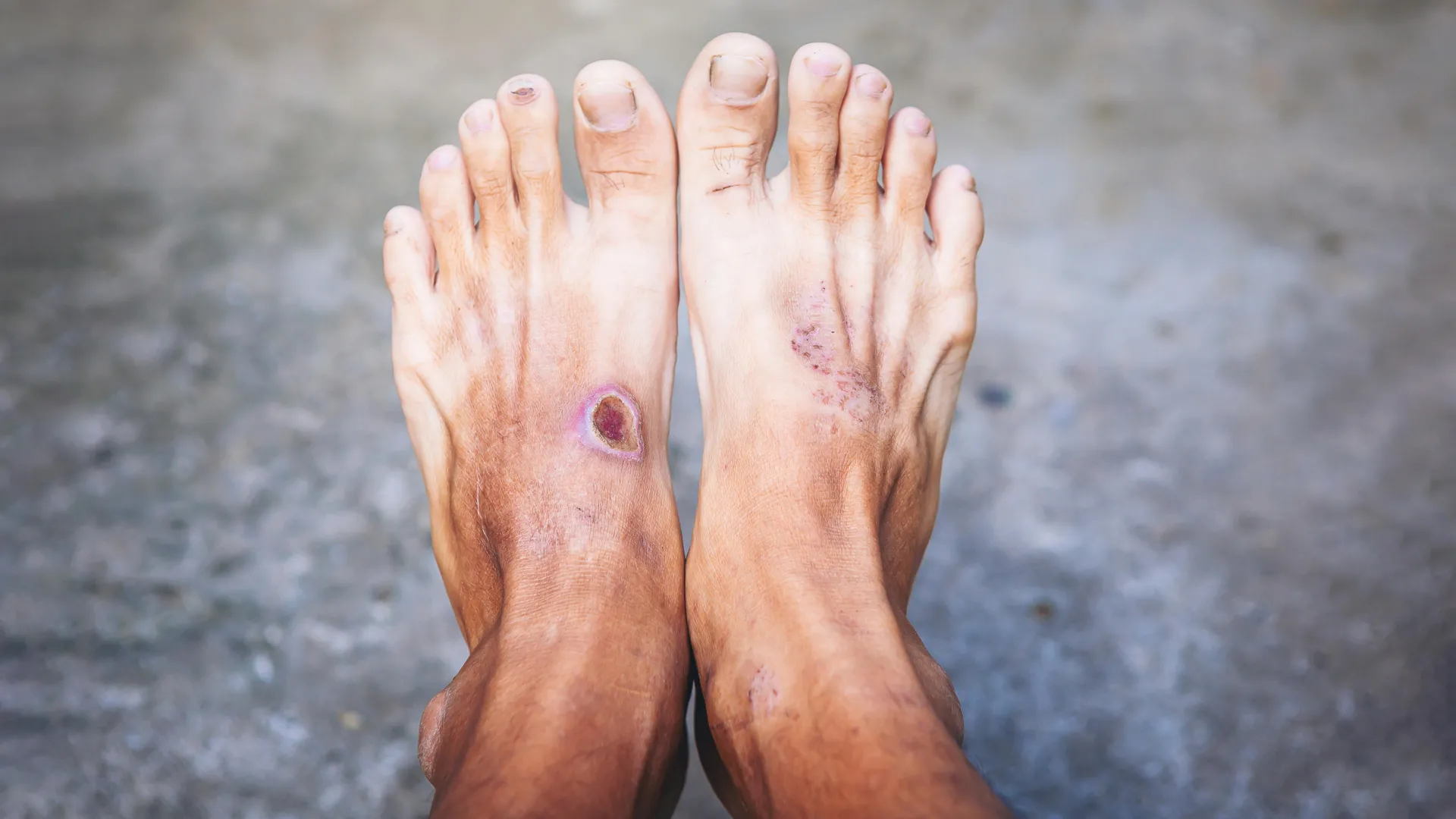
Chronic diabetic ulcers represent one of the most significant, yet often overlooked, crises in modern global healthcare. Affecting more than 131 million people worldwide, these non-healing wounds are not merely a local tissue injury; they are a systemic failure of the body’s regenerative capacity. With an annual economic burden reaching an estimated $755 billion, the clinical stakes are immense, ranging from debilitating chronic pain and infection to life-altering amputations and increased mortality.
For decades, the medical community has struggled to understand why these wounds remain stubbornly resistant to conventional treatments. However, a landmark comprehensive review by Yi Ru and colleagues has provided a transformative perspective, shifting the focus toward the complex, often dysfunctional, choreography of the immune system within the wound environment.
The Main Facts: A Failure of Orchestration
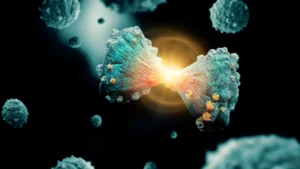
The central premise of recent research is that healing is not a static event, but a highly coordinated immune-mediated process. In a healthy individual, the immune system acts as both a rapid-response team and a master architect. Upon injury, immune cells swarm the site to clear pathogens, then systematically transition into a repair phase, clearing away debris and stimulating new tissue growth.
In the diabetic patient, this transition is fundamentally broken. Diabetes creates a metabolic environment that "reprograms" immune cells, causing them to stall in a hyper-inflammatory state. Instead of acting as healers, these cells become agents of destruction, trapped in a cycle of persistent inflammation that prevents the wound from ever reaching the proliferative or remodeling stages of recovery.
Chronology of Cellular Dysfunction: How Healing Goes Awry
To understand the failure of diabetic wound healing, one must track the immune system’s journey from the moment of injury through the intended phases of repair.
The Initial Phase: Neutrophils and the Inflammatory Trap
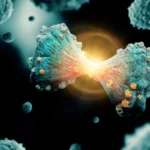
Neutrophils are the "first responders," arriving at the injury site within hours to eliminate bacteria. In a healthy wound, their job is brief. In diabetic wounds, however, this phase is pathologically extended. Research indicates that neutrophils in diabetic environments often form poorly regulated "neutrophil extracellular traps" (NETs). While intended to ensnare pathogens, excessive NET formation leads to the release of destructive proteases and reactive oxygen species (ROS), which degrade healthy tissue and turn a minor injury into a chronic ulcer.
The Mid-Phase: The Macrophage Polarization Block
Perhaps the most critical failure occurs with macrophages—the immune system’s “clean-up crew.” Under normal conditions, macrophages follow a polarization trajectory: they begin as pro-inflammatory "M1" cells to clear infection, then switch to pro-reparative "M2" cells to initiate tissue rebuilding.
In diabetic patients, this switch is often inhibited. Macrophages remain "locked" in the M1 state, continuously secreting inflammatory cytokines. This prevents the wound from entering the proliferative phase, essentially keeping the wound "frozen" in a state of self-inflicted damage.
The Maturation Phase: Dendritic and T-Cell Impairment
As the wound progresses, dendritic cells—which serve as the bridge between innate and adaptive immunity—should be clearing away apoptotic (dead) cellular debris. The review by Ru et al. highlights that the SLC7A11 transporter is often downregulated in diabetic tissues, impairing the efficiency of these cells. When cellular debris accumulates, it continues to act as an antigen, further triggering inflammatory signals that should have long since subsided.
Concurrently, specialized T-cell populations, such as dendritic epidermal T cells (DETCs), fail to produce the necessary growth factors (like IGF-1) required to stimulate keratinocytes. Without this signal, the skin cannot effectively close over the wound, leaving it exposed and susceptible to chronic infection.
Supporting Data: The Immune Landscape
The data supporting this new model of wound chronicity is extensive. Beyond the primary cells mentioned, the roles of B cells and natural killer (NK) cells are gaining prominence. While once thought to be peripheral to skin healing, recent evidence suggests that B cells can actively influence macrophage polarization toward the beneficial M2 state. Similarly, NK cells appear to be vital in regulating the local cytokine milieu to facilitate angiogenesis (the formation of new blood vessels).
The research underscores that the lack of healing is not due to a single "bad" cell type, but rather a loss of synergy. When the communication between these diverse populations is interrupted by hyperglycemia and its metabolic consequences, the biological “language” of repair is lost.
Implications for Modern Medicine: Reprogramming the Response
The paradigm shift from "treating the infection" to "reprogramming the immune response" opens an entirely new frontier for pharmaceutical and surgical intervention.
Targeted Biologics and Therapies
The potential for new treatments is immense. Researchers are now exploring:
- Topical Anti-Cytokine Biologics: Designed to neutralize the persistent inflammatory signaling that keeps macrophages trapped in the M1 phase.
- Macrophage Polarization Modulators: Drugs specifically engineered to encourage the transition from inflammatory M1 to reparative M2 states.
- IL-15 Superagonists: Targeted therapies meant to boost the activity of dendritic epidermal T cells, thereby jumpstarting the stalled closure process.
- Mesenchymal Stem Cell (MSC) Therapies: Utilizing MSCs and their derived extracellular vesicles to deliver a payload of immune-regulating factors directly to the wound bed.
Advanced Biomaterials: The "Smart" Dressing
Perhaps the most promising development is the integration of these biological insights into "smart" wound dressings. These are not merely bandages, but active delivery systems that can sense the local redox balance or pH of the wound and release immune-modifying substances precisely when and where they are needed.
The Critical Factor: Temporal Precision
Perhaps the most significant takeaway from the review by Ru et al. is that the timing of treatment is as important as the treatment itself. A therapy that effectively promotes healing in the inflammatory stage might be redundant or even counterproductive during the remodeling phase.
This suggests that the future of diabetic wound care lies in personalized immune profiling. Rather than a "one-size-fits-all" approach, clinicians may soon use diagnostic tools to determine the specific immune-state of a patient’s wound, allowing for a phased, combination therapy approach that targets the specific cellular dysfunction present at that exact moment in the healing timeline.
Official Perspectives: A Path Forward
Medical experts and health policy leaders are increasingly viewing chronic diabetic wounds as a public health priority that requires a multidisciplinary approach. The consensus from the academic community is clear: our current reliance on basic debridement and antibiotics is insufficient.
"The move toward precision immunology in wound care represents the most significant shift in our strategy in decades," noted a lead researcher involved in the study. "We are no longer just looking at a hole in the skin; we are looking at a localized immune system failure that requires a systemic and, at times, highly localized reset."
The implications of this research are profound. By mastering the timing and the cellular interactions of the immune system, healthcare providers may finally move away from the management of chronic, non-healing wounds and toward the active, successful promotion of tissue regeneration. For the millions of patients currently suffering from the complications of diabetes, this represents more than just a medical advancement—it represents a path toward mobility, health, and a significantly improved quality of life.
As we look toward the future, the integration of these findings into clinical practice will be the ultimate test of our ability to bridge the gap between complex laboratory immunology and the bedside of the patient. The science is maturing; the next step is the translation of these discoveries into the next generation of life-saving, wound-healing technologies.