










New findings from the phase 4 OPTION-VMS real-world study, presented at the 2026 International Menopause Society 20th World Congress on Menopause, are offering a glimmer of hope for the millions of women navigating the often-debilitating symptoms of menopause. The data provides robust evidence that the non-hormonal, selective neurokinin 3 (NK3) receptor antagonist, fezolinetant (marketed as VEOZAH), significantly mitigates the frequency and severity of vasomotor symptoms (VMS)—commonly known as hot flashes and night sweats—while simultaneously improving objective sleep quality.
Main Facts: A New Frontier in Menopausal Management
For decades, the standard of care for menopausal symptoms has often relied heavily on hormone replacement therapy (HRT), which, while effective for many, is not suitable for all women due to individual health histories, risks, or personal preferences. The emergence of fezolinetant marks a paradigm shift in how clinicians approach the neurological underpinnings of menopause.
The OPTION-VMS study, a comprehensive phase 4 investigation, focused on real-world clinical practice. Unlike tightly controlled clinical trials, real-world evidence (RWE) captures how a medication performs in the day-to-day lives of patients. The study revealed that a 45 mg daily dose of fezolinetant resulted in statistically significant improvements in bothersome VMS by the 12-week mark, with positive trends emerging as early as four weeks into treatment.
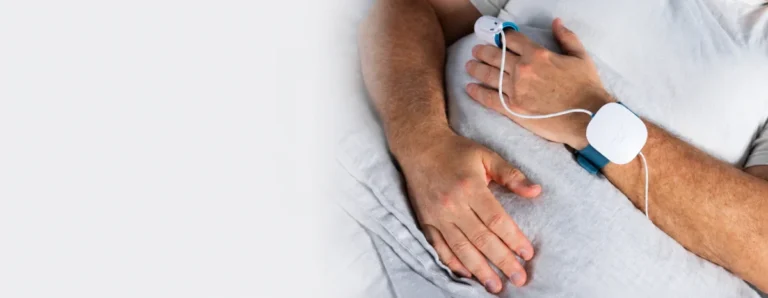
Perhaps most notably, the study utilized wearable actigraphy technology to objectively measure sleep. The integration of objective data alongside patient-reported outcomes provides a multidimensional view of how the drug impacts the "menopause-sleep-symptom" cycle. Participants saw a mean reduction of 2.6 nighttime awakenings by week 12, a statistic that translates to a profound improvement in daytime functioning and overall quality of life.
Chronology: The Journey to Validated Relief
The path to understanding fezolinetant’s real-world impact has been a systematic progression of scientific inquiry:
- Early Development: Fezolinetant was engineered to target the kisspeptin/neurokinin/dynorphin (KNDy) neurons in the hypothalamus. These neurons are the brain’s "thermostat." As estrogen levels decline during menopause, these neurons become hyperactive, leading to the erratic temperature regulation that triggers hot flashes. By blocking the neurokinin B (NKB) signaling, the drug effectively recalibrates the thermostat.
- Regulatory Approval: Following successful phase 3 clinical trials that demonstrated safety and efficacy, fezolinetant received regulatory approvals (including from Health Canada and the US FDA) as a non-hormonal option for moderate to severe VMS.
- The OPTION-VMS Real-World Study: Recognizing the need for data beyond the clinical trial setting, the phase 4 OPTION-VMS study was launched to observe the drug in diverse, real-world populations.
- 2026 International Menopause Society Presentation: At the 20th World Congress, researchers released the preliminary analysis of this study, confirming that the benefits observed in controlled environments hold true in routine clinical practice, particularly regarding the critical, often overlooked issue of nocturnal sleep disruption.
Supporting Data: The Science of Sleep and Symptom Reduction
To understand the magnitude of these findings, one must look at the pervasive nature of menopausal sleep disturbance. Research indicates that 40% to 60% of women aged 45 to 64 report significant sleep disruption. The correlation between vasomotor symptoms and sleep loss is not merely coincidental; women experiencing moderate to severe hot flashes are nearly three times more likely to endure frequent, fragmented sleep compared to their peers.
The OPTION-VMS data is particularly compelling because it moves beyond subjective "I feel better" reports. By employing actigraphy—a non-invasive, wearable device that tracks movement and sleep patterns—the researchers established hard data points:
- Symptom Reduction: Statistically significant improvements in VMS severity were documented at week 12, with early relief noted at week 4.
- Sleep Continuity: The mean reduction of 2.6 nighttime awakenings suggests a significant restoration of sleep architecture. When a patient stops waking up repeatedly due to night sweats, the body can achieve the deep, restorative REM sleep necessary for hormonal balance, mood regulation, and cognitive health.
- Safety Profile: The study reported no new safety signals. Hepatic laboratory findings, which have been a point of clinical scrutiny for this class of medication, were described as mild and infrequent, with zero instances necessitating study discontinuation. This is a vital metric for clinicians deciding whether to prescribe the medication for long-term symptom management.
Official Responses: Insights from the Experts
The clinical community has met the findings with cautious optimism, viewing them as a crucial bridge between pharmaceutical innovation and patient care.
"Hot flashes and night sweats can have a far-reaching impact on women’s daily lives, including their sleep, quality of life, and overall well-being," says Marla Shapiro, CM, of the Department of Family and Community Medicine at the University of Toronto. Dr. Shapiro, who served as the lead author of the presentation, emphasizes that these findings provide a "more complete understanding of women’s experiences in routine clinical practice." She believes the data will empower healthcare providers to have more evidence-based, productive conversations with patients who are struggling with menopause.
Astellas, the pharmaceutical firm behind the therapy, echoes this sentiment. Shayna Mancuso, DO, FACOG, executive medical director for US medical affairs at Astellas, highlights the value of the real-world approach. "By evaluating women’s experiences in routine clinical practice, we are building a deeper understanding of the outcomes that matter most to women and their clinicians," Dr. Mancuso stated. The focus, she notes, is on the "whole patient" rather than just the isolated symptom of a hot flash.
Implications: A New Standard for Menopause Management?
The implications of these findings are wide-ranging for both the medical community and the patient population.
1. Shifting the Focus to Sleep Quality
For years, the medical establishment treated hot flashes as the primary problem and sleep issues as a secondary, "nuisance" symptom. The OPTION-VMS study suggests that sleep should be treated as a primary target for intervention. Because chronic sleep deprivation is linked to long-term health risks—including cardiovascular disease, metabolic disorders, and cognitive decline—addressing sleep is essentially a preventative health measure.
2. Empowering Non-Hormonal Choices
Many women are ineligible for hormone therapy due to histories of breast cancer, blood clots, or cardiovascular disease. Others simply choose to avoid hormonal treatments. Fezolinetant’s ability to provide relief without introducing systemic hormones opens a massive window of opportunity for these women to regain their quality of life.
3. The Role of Technology in Clinical Practice
The use of actigraphy in the OPTION-VMS study signals a growing trend in digital health: the objective validation of subjective patient complaints. As wearable technology becomes more accessible, it is likely that more clinical studies will move toward this model, allowing doctors to view sleep data alongside patient diaries to fine-tune dosages and treatment plans.
4. Improving the Provider-Patient Dialogue
One of the most significant barriers to menopause care is the tendency for symptoms to be dismissed as a "natural part of aging." With concrete, real-world data showing that medical intervention can measurably reduce the number of times a woman wakes up in the middle of the night, patients have a stronger platform to advocate for their health. The data provides a tangible metric for success that can be tracked in a clinical setting, moving the conversation from vague discomfort to measurable improvement.
Conclusion
The preliminary findings from the OPTION-VMS study represent a pivotal moment in women’s health. By successfully demonstrating that fezolinetant can provide real-world relief from both vasomotor symptoms and the crushing weight of sleep disruption, researchers have provided clinicians with a powerful tool to improve the lives of menopausal women.
As the medical community continues to digest this data, the focus will likely turn to long-term usage and how these findings can be integrated into clinical guidelines. For now, the takeaway is clear: the exhaustion, discomfort, and uncertainty that have long defined the menopausal transition are increasingly becoming manageable, evidence-based targets for modern medicine. For millions of women, this means the prospect of a better night’s sleep is no longer just a hope—it is a scientifically supported reality.