








15 October 2026
In a landmark development for public health policy across the European Union, the inaugural EU Screening Week has concluded, leaving behind a legacy that promises to reshape how chronic disease is detected and managed. Held from 28 September to 4 October 2026, the initiative—a cornerstone of the European Commission’s "Know Your Numbers" campaign—successfully thrust the critical issue of respiratory health into the mainstream consciousness of European citizens and policymakers alike.
The initiative was not merely a series of awareness events; it was a strategic mobilization of medical professionals, advocacy groups, and governmental bodies aimed at institutionalizing lung health as a fundamental pillar of routine medical examinations. By integrating respiratory diagnostics into the standard health check-up framework, the EU is signaling a shift toward proactive, rather than reactive, healthcare.
Main Facts: The Blueprint for a Healthier Europe
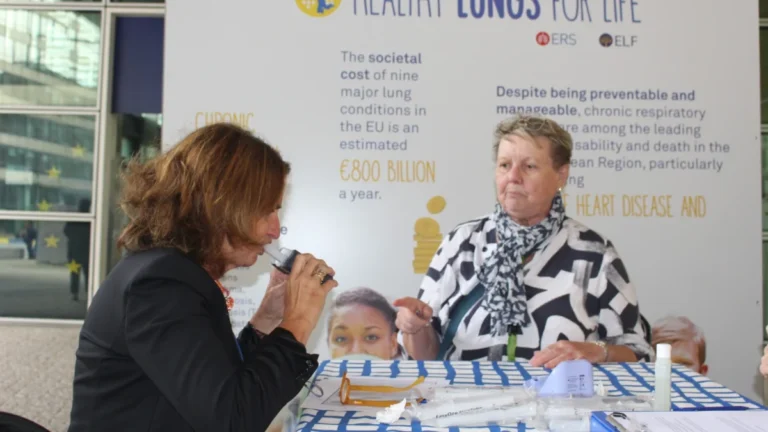
The primary objective of EU Screening Week was to bridge the persistent gap between cardiovascular monitoring and respiratory diagnostics. While blood pressure and cholesterol screenings have long been staples of the annual physical, lung function—specifically through spirometry testing—has historically been sidelined.
The campaign, spearheaded by Olivér Várhelyi, European Commissioner for Health and Animal Welfare, served as a pan-European call to action. It emphasized three core pillars:
- Universal Access: Ensuring that high-quality diagnostic tools are available to all citizens, regardless of geography.
- Standardization: Pushing for respiratory screening to be mandated as part of the "routine" check-up experience.
- Public Empowerment: Educating individuals on the "numbers" that matter—not just blood pressure and glucose, but vital lung capacity metrics.
The event saw hundreds of localized activities across the continent, ranging from pop-up diagnostic centers in metropolitan hubs to specialized workshops in rural clinics. The message was clear: respiratory disease is a silent, growing burden, but it is one that can be mitigated through earlier detection.
Chronology: A Week of Action
The timeline of the initiative highlights the velocity at which the EU moved to cement these recommendations into the legislative process.
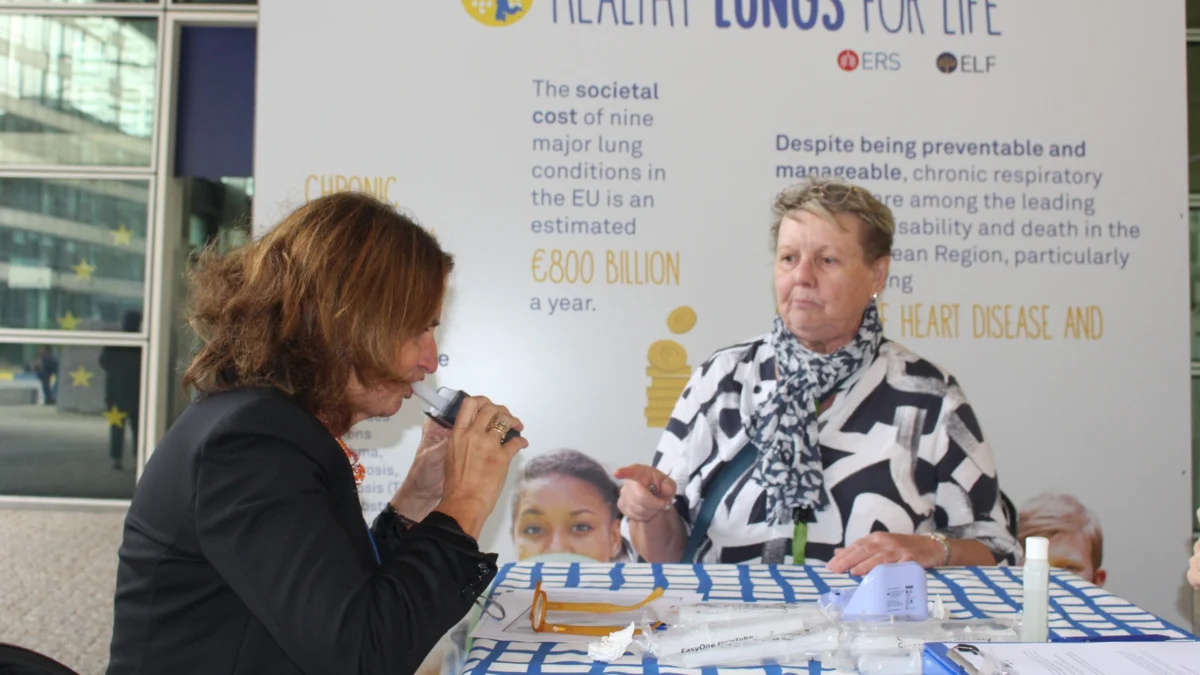
- 28 September 2026: Official launch of EU Screening Week by Commissioner Olivér Várhelyi. The launch event featured live demonstrations of portable spirometry equipment, highlighting the ease and efficiency of modern testing.
- 29 September – 2 October 2026: The "Action Phase." During these four days, the European Lung Foundation (ELF) and the European Respiratory Society (ERS) coordinated massive outreach programs across Belgium, Greece, Italy, Poland, Romania, and Spain. These events provided thousands of citizens with free, expert-led lung function assessments.
- 3 October 2026: The "Policy Breakthrough." In a move that surprised many industry analysts, the European Commission formally announced the inclusion of respiratory testing in its official recommendation to the European Council regarding cardiovascular health checks. This effectively wedded heart health and lung health under a single diagnostic umbrella.
- 4 October 2026: Closing ceremony and synthesis of data. Stakeholders reviewed preliminary participation numbers, setting the stage for the next phase of the "Know Your Numbers" strategy.
Supporting Data: The Case for Integration
The push for integrated screening is driven by cold, hard data. According to recent epidemiological projections provided by the ERS, respiratory diseases represent one of the leading causes of morbidity and mortality in the EU.
The Burden of Disease
Chronic Obstructive Pulmonary Disease (COPD) and asthma often go undiagnosed for years, leading to irreversible lung damage and significantly higher costs for public health systems when patients eventually present with acute exacerbations. Early detection via spirometry allows for clinical intervention at a stage where the disease is manageable, often preventing the need for expensive hospitalizations or long-term disability support.
The Success of "Healthy Lungs for Life"
The partnership between the ERS, the ELF, and the Healthy Lungs for Life initiative proved to be the engine room of the week’s success. The pilot programs conducted during the week showed:
- High Engagement: Participation rates in urban mobile clinics exceeded expectations by 40%, indicating a strong public appetite for preventative care.
- Integrated Awareness: Participants who came for cardiovascular checks showed a 75% uptake rate for concurrent lung testing when offered, proving that the public is receptive to "all-in-one" health assessments.
- Educational Impact: Thousands of individuals received tailored counseling on smoking cessation and the impact of air quality on long-term respiratory health, providing a measurable increase in health literacy.
Official Responses: A United Front
The political and medical communities have largely lauded the move. The inclusion of respiratory testing in the European Council recommendations is viewed as a victory for evidence-based advocacy.
Prof. Raquel Duarte, ERS Director of Scientific Relations with the EU, provided a compelling assessment of the week’s success:
"Making respiratory testing routine as part of regular health assessments is absolutely paramount if we want to reduce the health and economic burden of respiratory disease. This is why it was so important that the European Commission included respiratory testing in its recommendation… We are not quite there yet, but thanks to significant efforts from the respiratory community, we are getting closer to ensuring that respiratory health checks form part of standardised health checks across Europe."
Commissioner Várhelyi echoed these sentiments, noting that the health of the population is the ultimate indicator of the union’s success. He emphasized that the "Know Your Numbers" campaign is designed to be a long-term roadmap, not a fleeting effort. By providing the Council with a framework that links cardiovascular and respiratory health, the Commission is creating a holistic diagnostic standard that will be difficult for member states to ignore.
Implications: The Road Ahead
The long-term implications of EU Screening Week are profound. By moving to standardize respiratory testing, the EU is fundamentally altering the economic landscape of healthcare.
Economic Efficiency
By catching lung conditions early, member states stand to save billions in the coming decades. The economic burden of respiratory disease—comprising direct treatment costs, loss of productivity, and social care—is immense. A small investment in routine spirometry during a yearly physical is a high-yield investment for any national healthcare budget.
Future Policy and Legislative Hurdles
While the recommendation to the European Council is a massive step forward, the real work lies in implementation. Each member state retains sovereignty over its healthcare system, meaning the "recommendation" must be translated into national law and clinical practice.
Advocacy groups are already shifting their focus toward monitoring how individual nations adopt these guidelines. The challenge will be to ensure that funding is allocated not just for the equipment, but for the training of primary care physicians and nurses to conduct and interpret these tests accurately.
A Holistic Future
The convergence of heart and lung health is a logical evolution. Both systems are inextricably linked; poor respiratory health often places undue stress on the cardiovascular system, and vice versa. By treating the body as an interconnected system rather than a collection of separate organs, the European Union is setting a global standard for 21st-century preventative medicine.
As we look toward 2027 and beyond, the success of this first Screening Week will likely be remembered as the moment the EU prioritized the "breath of life" as a fundamental metric of societal health. The message is clear: for a stronger, more resilient Europe, we must keep our fingers on the pulse and our eyes on our lungs.
For further information on the specific initiatives, or to review the technical details of the European Commission’s new recommendations, please visit the official European Commission health portal.