



As the calendar turns from September to October, the formal observance of Pain Awareness Month draws to a close. However, for the more than 60 million Americans—nearly one in five adults—living with chronic pain, the transition in months does not signify a shift in their reality. For this vast segment of the population, the challenge of managing persistent, often invisible, physical suffering is a 365-day-a-year commitment that does not adhere to a public awareness calendar.
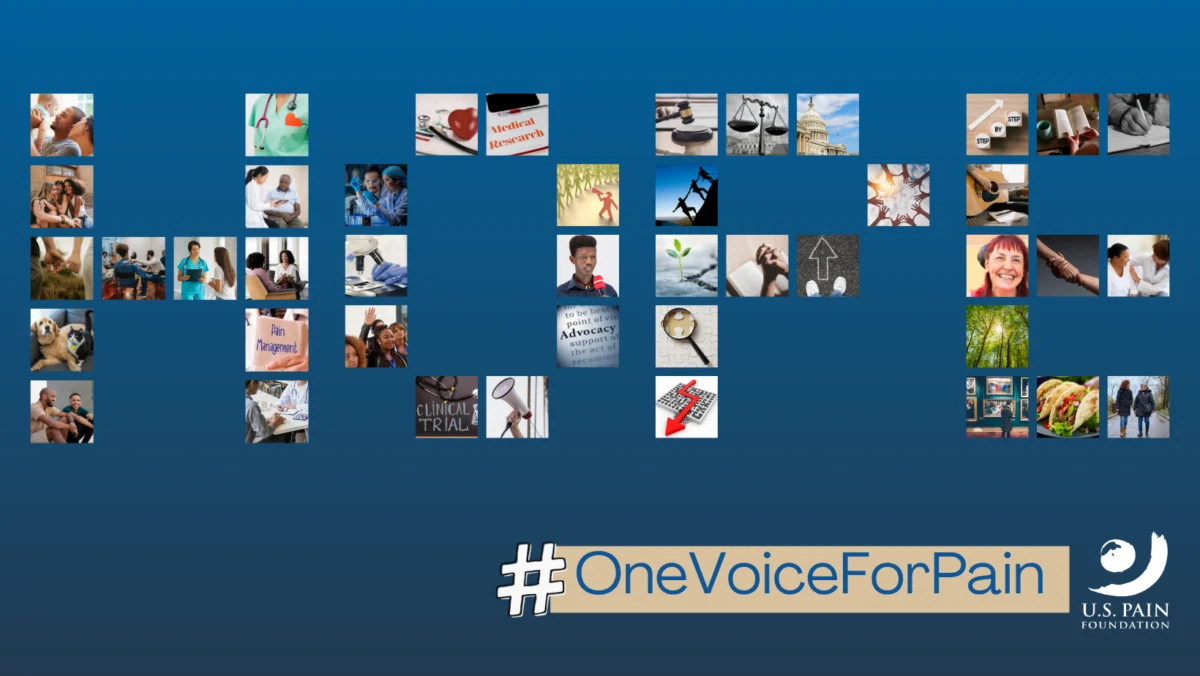
While September serves as a vital platform for national discourse, the expiration of the month does not diminish the urgent need for systemic progress, clinical innovation, and social empathy. To better understand the psychological and emotional architecture of those navigating life with chronic pain, we reached out to the community to pose a fundamental question: "What gives you hope or keeps you moving forward?"
The Landscape of Chronic Pain: A Statistical Reality
Chronic pain is not merely a medical diagnosis; it is a complex, multifaceted condition that touches every aspect of human existence. According to the Centers for Disease Control and Prevention (CDC), chronic pain is one of the most common reasons adults seek medical care, and it is linked to restrictions in mobility, daily activities, and social participation.
The economic and social burden is profound. Beyond the direct medical costs—which run into the hundreds of billions of dollars annually—the intangible costs of lost productivity, reduced quality of life, and the emotional toll on families are incalculable. Yet, despite these figures, the lived experience of the patient remains the most important data point in the movement for better care.
Voices of Resilience: What Keeps Us Moving?
Throughout our inquiry, we encountered a diverse tapestry of stories—from teenagers navigating their formative years with health challenges to octogenarians maintaining their resolve after decades of discomfort. The following insights categorize the varied pillars of support that sustain these individuals.
1. The Power of Human and Furry Connection
For many, the primary anchor in a stormy sea of pain is a support network. This often includes family, friends, and, perhaps surprisingly, pets.
- Barry, 57: "My partner, who is also disabled and in chronic pain, understands in a way that words cannot express. That shared experience is my bedrock."
- Alexandra, 32: "My family, my friends, and my fur babies—they provide the unconditional affection that helps me anchor myself when the pain flares."
- Niki, 54: "Being surrounded by my family in Celebrate Recovery and at my church has been transformative. I have friends with serious illnesses who fight with joy; they have taught me how to live with gratitude despite the physical limitations."
- Kari, 37: "When I watch my child, I look for the tiny glimmers of a typical life. When she asks for a Starbucks run or loses herself in play, the pain is temporarily forgotten. Those glimmers give me the strength to endure the bad days."
2. Validation: The Clinical Turning Point
The search for a diagnosis or an effective management plan is often fraught with medical gaslighting and systemic frustration. When a provider finally validates a patient’s experience, it acts as a catalyst for renewed effort.
- Erica, 45: "My mental health therapist reminds me that I can still reach my goals; I just have to modify the approach. Being told that asking for help is a sign of strength rather than weakness has changed my life."
- Bobbie, 42: "In the medical system, for every ten nurses who treat you with indifference, there are two who possess true compassion. Those two keep me coming back to the clinic."
- Christina, 46: "My pain doctor never giving up on me—that is the reason I am still here, still looking toward a better future."
3. The Promise of Innovation and Research
For those in the long-term struggle, the evolution of medical science provides a beacon of hope. Many patients find solace in the fact that their conditions are becoming better understood.
- Debbie, 68: "I am hopeful because fibromyalgia is much more understood now than it was 18 years ago. Visibility leads to research, and research leads to relief."
- Katie, 58: "Hope is the fact that research is continuing. Every time a new medication or device is developed, I feel that we are one step closer to a breakthrough."
- Daisy, 13: "I just hope that I won’t live with this high level of pain forever."
4. Advocacy as a Form of Healing
For many, the trauma of chronic pain is transmuted into advocacy. By speaking out, they transform their suffering into a tool for systemic change, giving them a sense of agency.
- Sammie, 31: "I started advocating because I have to make sense of what happened to me. I need to ensure something positive comes out of this struggle."
- Mollie, 58: "Advocating for others is the only thing that consistently gives me hope. It shifts the focus from my pain to the collective need."
- Samantha, 43: "My life has meaning because I advocate for others. Even if my life doesn’t look the way I once imagined, it still holds deep, resonant purpose."
Internal Fortitude: Faith, Purpose, and Small Victories
Sometimes, the impetus to continue does not come from external sources but from a deep, internal well of determination.
- Johnna, 40: "The fact that I cannot stop trying to find answers is what keeps me moving."
- Linda, 64: "My faith in Jesus Christ carried me through years of CRPS—the suicidal thoughts and the fear that I would never walk again. Now, my purpose is to show others that there is hope and healing, even in the midst of the fire."
- Beverly, 84: "I have just been moving forward because I don’t know what else to do. I believe that maybe this or that will work. I simply do not know how to give up."
The Significance of Small Wins
In a life defined by unpredictability, large breakthroughs are rare. Thus, patients learn to celebrate the "small wins."
- Max, 24: "My creative hobbies give me something to focus on other than the pain. It’s an escape."
- Beth, 72: "Small victories—that’s all it takes to keep going."
- Traci, 49: "I write songs about my life and my pain. Singing about it helps me realize I am not alone, and that connection is vital."
When Hope Feels Absent: Acknowledging the Void
It would be dishonest to ignore the reality that, for some, hope feels entirely out of reach. These voices are perhaps the most important, as they underscore the critical gaps in our current healthcare and social systems.
- Mary, 70: "Not much gives me hope."
- Bill, 66: "Pure desperation is what keeps me going."
- Anonymous, 56: "Nothing gives me hope. I just survive day to day."
These responses serve as a stark reminder of the work that remains. If we are to honor those living with pain, we must acknowledge that for many, the system has failed, and their struggle is profound and unending.
Implications and The Road Ahead
The conclusion of Pain Awareness Month is not the end of the conversation; it is merely a checkpoint. The stories shared here demonstrate that hope is a highly personal, multifaceted construct. For one person, it is a clinical breakthrough; for another, it is the simple presence of a pet or a supportive neighbor.
Policy and Cultural Implications
The broader implications of these testimonies suggest three primary needs:
- Clinical Reform: Healthcare providers must receive better training in pain management and empathy, ensuring that patients are believed rather than dismissed.
- Research Investment: We must continue to push for increased funding for chronic pain research, particularly for conditions that remain poorly understood or stigmatized.
- Community Support: We need to foster environments—both physical and digital—where patients can connect, share, and advocate without fear of judgment.
Carrying the Movement Forward
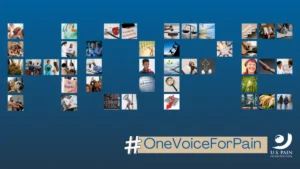
As we carry the #OneVoiceForPain initiative beyond the boundaries of September, the goal remains clear: to build a future where people living with pain have more reasons to hope, and fewer reasons to despair.
We must continue to listen. We must continue to learn. We must work toward a society that understands that "pain" is not just a symptom—it is an experience that demands our compassion, our resources, and our collective action.
The stories of Barry, Alexandra, Niki, Kari, and so many others are a call to action. Their endurance is a testament to the human spirit, but it should not be the only thing keeping them afloat. It is time for our institutions and our society to meet their determination with tangible, effective, and empathetic support.
#LetsChangePain. Together.