









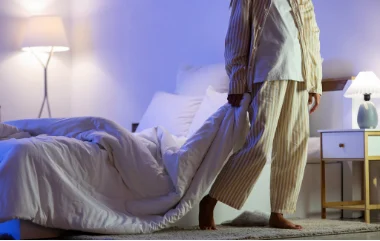
For the vast majority of the population, sleep is a period of restorative stillness. The body enters a state of controlled paralysis, allowing the mind to wander through the landscape of dreams while the physical form remains safely anchored in bed. However, for a significant segment of the population, the boundary between the dreaming mind and the physical world is dangerously porous.
When the brain fails to keep the body still during sleep, the result is a category of disorders known as parasomnias. These involuntary, often violent, or ambulatory behaviors transform the sanctuary of the bedroom into a site of potential injury. From sleepwalking to the forceful, dream-enacting behaviors of REM sleep behavior disorder (RBD), these conditions pose a silent but significant threat to public health.
Main Facts: Understanding Parasomnias
Parasomnias are defined as abnormal behaviors, experiences, or physiological events that occur during sleep, sleep-to-wake transitions, or sleep-to-sleep transitions. Unlike a typical restless sleeper who may toss and turn, individuals with parasomnias are not in control of their actions. They are, for all intents and purposes, operating in an altered state of consciousness where the executive functions of the brain are offline, but the motor cortex is active.
The most common and clinically concerning parasomnias include:
- Somnambulism (Sleepwalking): A state where the individual performs complex motor activities while partially asleep.
- REM Sleep Behavior Disorder (RBD): A condition where the natural muscle atonia (paralysis) that typically occurs during REM sleep is absent, allowing individuals to physically act out their dreams.
- Sleep-Related Eating Disorder (SRED): A complex behavioral disorder where patients consume food—often strange or dangerous combinations—while technically asleep.
These disorders are not merely eccentricities; they are medical conditions that result in a high incidence of falls, lacerations, fractures, and trauma to both the patient and their bed partners.
Chronology of Nighttime Risk
The risk profile of a parasomnia often depends on the timing of the sleep cycle.
The First Half of the Night (Non-REM Transitions):
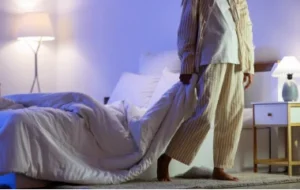
Sleepwalking typically occurs during deep, slow-wave sleep, which predominates in the first half of the night. Because the individual is emerging from deep sleep, they are often disoriented and clumsy. The primary danger here is environmental; the sleepwalker may attempt to navigate stairs, open windows, or leave the house, leading to high-impact injuries like falls from heights or encounters with traffic.
The Second Half of the Night (REM Transitions):
REM sleep is most abundant in the early morning hours, just before natural waking. This is the window for REM Sleep Behavior Disorder. Because the brain is heavily engaged in vivid, often aggressive dreaming during this time, the resulting physical movements—punches, kicks, or lunges—are often directed at an imagined threat. This is why bed partners are frequently the victims of RBD-related injuries.
Supporting Data: The Scale of the Crisis
The medical literature paints a sobering picture of how dangerous these nocturnal activities can be. In a landmark study examining patients who sought care at sleep disorder centers due to repeated injuries, researchers found that sleepwalking and RBD were the primary culprits.
One study revealed that 32% of patients diagnosed with RBD had sustained injuries themselves, while a staggering 64% of their bed partners had been injured during the night. The types of injuries reported are not minor; they range from bruising and skin abrasions to complex fractures, concussions, and, in rare, tragic cases, accidental strangulation or blunt force trauma caused by the use of household objects as "weapons" in a dream-state panic.
It is important to note that these figures likely represent only the tip of the iceberg. Many individuals with parasomnias remain undiagnosed until a catastrophic injury occurs. Because the events happen outside of conscious memory, patients often assume they are simply "rough sleepers" until a spouse or family member insists on a clinical evaluation.
Official Responses and Medical Guidance
The medical community, including organizations like the American Academy of Sleep Medicine (AASM), emphasizes that parasomnias require a multi-faceted approach to management.
The Evaluation Process
If nighttime behaviors are frequent or forceful, medical intervention is non-negotiable. A doctor will typically perform a detailed history to rule out other factors, such as side effects from medications (some sleep aids are known to trigger sleep-eating or sleepwalking), underlying neurological conditions, or obstructive sleep apnea, which can exacerbate parasomnias.
The gold standard for diagnosis is an in-lab polysomnography, or "sleep study." During this study, technicians use video recording equipment to capture the physical manifestation of the sleep disorder. This is critical for distinguishing RBD from nocturnal seizures or other movement disorders, as the treatment paths for these conditions are vastly different.
The Stance on Restraints
One of the most persistent myths regarding sleep safety is the use of physical restraints. Experts strongly advise against tying or strapping a person to their bed. In the event of a sleep-related episode, the brain’s instinctual "fight-or-flight" response can trigger a violent struggle against the restraints. This often leads to ligament tears, joint dislocations, and heightened psychological distress. Instead, the focus should be on "environmental engineering."
Implications for Home Safety
When a resident suffers from a parasomnia, the entire home must be re-evaluated for safety. The bedroom is the first line of defense, but the kitchen and common areas often pose the greatest risks.
Bedroom Modifications:
- Clear the Path: Remove all furniture with sharp corners or hard edges. Use floor-length padding or rugs around the bed to soften the impact of a potential fall.
- Security Measures: Install child-proof locks or high-latch bolts on bedroom doors to prevent the individual from wandering into dangerous areas of the house.
- Window Safety: Ensure windows are secured with limiters so they cannot be opened wide enough for a person to fall through.
Kitchen and Beyond:
For those suffering from sleep-related eating disorders, the kitchen is a minefield.
- Locking Mechanisms: Cabinets containing knives, heavy appliances, or toxic cleaning agents should be fitted with locks.
- Appliance Management: Unplugging high-heat appliances like coffee makers or toasters before bed can prevent accidental burns or fires.
- Removal of Triggers: Keep the kitchen counters clear of items that could be consumed or used dangerously in a state of confusion.
The Path Forward: Treatment and Quality of Life
While home safety modifications are essential, they are only a bridge to clinical treatment. Depending on the diagnosis, physicians may prescribe pharmacological interventions—such as low-dose clonazepam or melatonin—that have been shown to stabilize sleep architecture and suppress dream-enacting behaviors.
Beyond medication, lifestyle modifications play a vital role. Chronic sleep deprivation, irregular sleep schedules, and high stress are known "triggers" that increase the frequency of parasomnia events. By prioritizing sleep hygiene—maintaining a consistent bedtime, cooling the room, and eliminating blue light exposure—patients can often reduce the intensity of their episodes.
When to Seek Immediate Care
The threshold for seeking medical advice should be low if the following warning signs are present:
- Frequency: The behaviors happen more than once or twice a month.
- Violence: The individual is acting out aggressive dreams, including shouting, punching, or kicking.
- Risk: The individual has left the home, attempted to cook, or handled sharp objects while sleeping.
- Injury: The patient or their partner has sustained any physical injury during the night.
Conclusion
Parasomnias serve as a stark reminder that sleep is not a static state, but a complex biological process that can go awry. While the idea of acting out one’s dreams might sound like a quirk of personality, the reality is a significant health risk that requires clinical oversight.
A safe home environment is the first step toward preventing tragedy, but it is not a cure. By bridging the gap between professional sleep medicine and practical home safety, families can manage these disorders effectively, ensuring that both the patient and their loved ones can finally get the rest they deserve—safely, quietly, and firmly in bed.
Medical review by Margaret Hovda, MD.
This article was created using editorial tools, including AI, as part of the process. Human editors reviewed this content before publication.