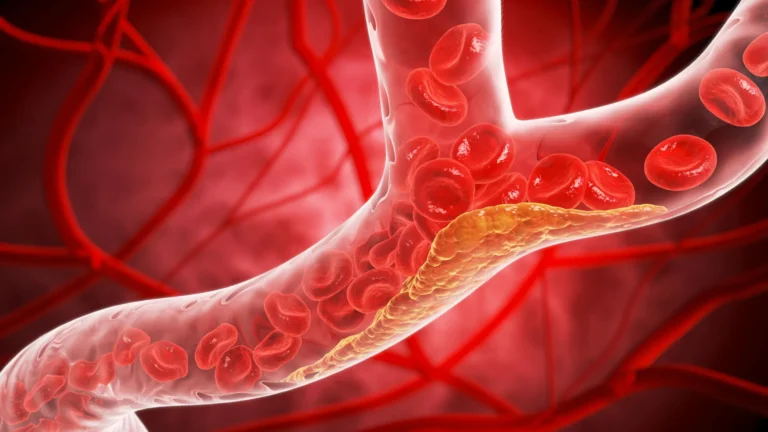










In a landmark study that could redefine the treatment landscape for millions, researchers at King’s College London have identified a naturally occurring compound that shows remarkable potential in repairing and rejuvenating heart function. The compound, urolithin A—a metabolite produced by the human body after the consumption of foods such as pomegranates, walnuts, and specific berries—has been shown to improve heart function by up to 80% in experimental models.
This discovery, published in the journal Science Advances and funded by the British Heart Foundation, offers a glimmer of hope for the nearly 500,000 people in the UK alone suffering from "heart failure with preserved ejection fraction" (HFpEF). This specific condition, which accounts for approximately 50% of all heart failure cases, has long remained a "black box" for clinicians, characterized by a stiffening heart muscle that struggles to relax between beats, despite retaining a normal pumping capacity.
The Challenge of HFpEF: A Clinical Deadlock
To understand the magnitude of this discovery, one must first grasp the clinical complexity of HFpEF. Unlike traditional heart failure, where the heart muscle weakens and struggles to squeeze blood out, HFpEF represents a failure of "diastolic function"—the relaxation phase. As the heart becomes stiff, it cannot fill properly with blood, leading to a cascade of debilitating symptoms: chronic fatigue, severe shortness of breath, an inability to exercise, and a significant decline in overall quality of life.
The condition is notoriously difficult to manage because it is often a multi-factorial consequence of modern living. Aging, hypertension, obesity, and type 2 diabetes all contribute to the structural remodeling of the heart. Because the heart’s ejection fraction (the percentage of blood pumped out of the ventricle with each beat) remains "preserved," many conventional cardiovascular medications—which were designed to help the heart pump harder—are largely ineffective. Currently, physicians are forced to rely on managing comorbidities and recommending lifestyle modifications like weight loss and glycemic control, rather than addressing the root mechanical failure of the heart muscle.
The Discovery: Unlocking the PKG1α Pathway
The research team, led by Dr. Joseph Burgoyne, a senior cardiovascular scientist at King’s College London, approached the problem by investigating the molecular mechanisms governing cardiac relaxation. Their focus turned to urolithin A, a compound that has gained traction in the scientific community for its role in mitochondrial health—the process by which cells generate energy.
In a pioneering experiment, the team discovered that urolithin A acts as a biological key, activating a protein known as PKG1α. This protein is essential for both healthy blood vessel function and the relaxation of heart muscle tissue. Urolithin A targets a specific amino acid on the PKG1α protein, triggering a signaling pathway that enhances the heart’s ability to relax.
A Chronology of the Research
- Initial Hypothesis: The team investigated whether metabolites associated with healthy aging could influence the relaxation properties of cardiac cells.
- Molecular Mapping: Researchers identified the interaction between urolithin A and the PKG1α protein, pinpointing the specific amino acid site that triggers the therapeutic pathway.
- Experimental Modeling: Using animal models, the researchers administered urolithin A and observed a staggering 80% improvement in heart function markers compared to untreated controls.
- Tissue Analysis: Beyond function, histological studies revealed a significant reduction in fibrosis—the harmful, stiffening scar tissue that prevents the heart from expanding correctly.
- Engineered Human Tissue: To validate the findings, the team utilized stem-cell-derived engineered human heart tissue, which mimics the structure and electrical properties of a human heart. The results confirmed that the positive effects observed in animals were replicated in human cellular models.
Supporting Data and Biological Mechanisms
The efficacy of urolithin A is not limited to mere relaxation. The research indicates a multi-pronged approach to cardiac protection. By reducing fibrosis, the compound mitigates the "stiffness" that is the hallmark of HFpEF. Furthermore, the study observed that urolithin A limits the pathological enlargement of heart muscle cells. In many heart conditions, cells grow abnormally in a process known as hypertrophy, which eventually leads to failure. By helping these cells maintain their normal, healthy architecture, urolithin A provides a protective barrier against the progressive nature of the disease.
One of the most encouraging aspects of the study is the safety profile of the compound. Unlike many synthetic drugs that enter clinical trials with unknown side effects, urolithin A has already been subject to human studies in other contexts, demonstrating a high degree of tolerability.
Official Responses and Expert Perspective
The scientific community has reacted with cautious optimism. Dr. Joseph Burgoyne emphasized that while the findings are groundbreaking, they represent a foundational step rather than an immediate cure.
"This type of heart failure is becoming increasingly common as populations age and rates of obesity and diabetes rise," Dr. Burgoyne stated. "Despite its growing burden, treatment options remain limited because the disease is complex and varies considerably between patients. Our findings identify a completely new therapeutic target. While there isn’t enough evidence to suggest that people should rush to eat pomegranates as a standalone treatment for heart failure, these findings raise the possibility that dietary approaches—or refined supplements—that enhance urolithin A production could be a game-changer."
The British Heart Foundation, which provided the necessary funding for the project, echoed the importance of the study. Professor James Leiper, Director of Research at the BHF, noted that the study’s success in engineered human tissue is a crucial bridge to future clinical trials.
"This early-stage study in experimental models suggests that urolithin A may help to improve the heart tissue’s ability to relax and fill with blood between beats," Professor Leiper said. "However, it is vital to remember that these benefits have so far been seen in animals and laboratory models. Clinical trials involving human patients are the essential next step to test if this approach is effective and safe in a clinical setting."
Implications for Future Medicine
The implications of this study are far-reaching. If future clinical trials confirm the efficacy of urolithin A in humans, it could represent a shift toward "metabolic cardiology"—a field that looks to supplement the body’s internal chemistry to treat disease.
Key Takeaways for Patients and Clinicians:
- A New Target: The identification of the PKG1α pathway provides pharmaceutical companies with a specific, druggable target for future cardiovascular therapies.
- Bridging the Gap: The use of engineered human heart tissue allows researchers to bypass some of the limitations of animal-only studies, potentially accelerating the path to human clinical trials.
- Dietary Nuance: While the research stems from a compound found in pomegranates, experts warn that the conversion of dietary precursors into active urolithin A varies significantly between individuals based on their gut microbiome. Therefore, a "pomegranate-only" diet is not currently an advised medical protocol for heart failure patients.
- A Holistic Approach: Professor Leiper and his colleagues emphasize that this discovery should not replace standard care. A balanced diet and lifestyle management remain the cornerstone of heart health.
Conclusion
The study conducted at King’s College London is a testament to the power of fundamental biological research. By peeling back the layers of how heart muscle cells regulate their own relaxation, researchers have unlocked a potential solution for one of the most stubborn challenges in modern medicine.
While the road to a pharmacy-ready treatment is long—requiring extensive clinical trials to ensure safety and efficacy in diverse human populations—the discovery of urolithin A’s role in heart health is a beacon of progress. For the hundreds of thousands of people currently living with the daily struggles of HFpEF, the work of Dr. Burgoyne and his team offers something that has been in short supply: a new, evidence-based direction for hope. As science moves forward, the intersection of nutrition, molecular biology, and cardiac care appears more promising than ever before.