






For decades, the medical community has viewed cardiovascular disease as a condition that develops gradually, typically revealing itself in middle or older age through chest pain, heart attacks, or strokes. We have been conditioned to calculate "risk" using a static dashboard of blood pressure, cholesterol levels, and smoking history. However, a landmark international study presented at the ESC Congress 2026 and published in The New England Journal of Medicine has shattered this paradigm, revealing that the primary driver of cardiovascular disease—atherosclerosis—is a silent, widespread presence that takes root in the human body far earlier than once imagined.
The study, known as REACT (Registry of Atherosclerosis in the General Population), suggests that the "hidden" buildup of plaque inside our arteries is not merely a sign of aging, but a pervasive condition that begins in young adulthood. By shifting the focus from estimating risk to detecting the physical presence of disease, researchers are advocating for a revolutionary change in how we treat the world’s leading cause of death.
The Main Facts: A New Reality of Cardiovascular Health
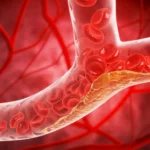
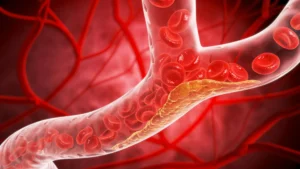
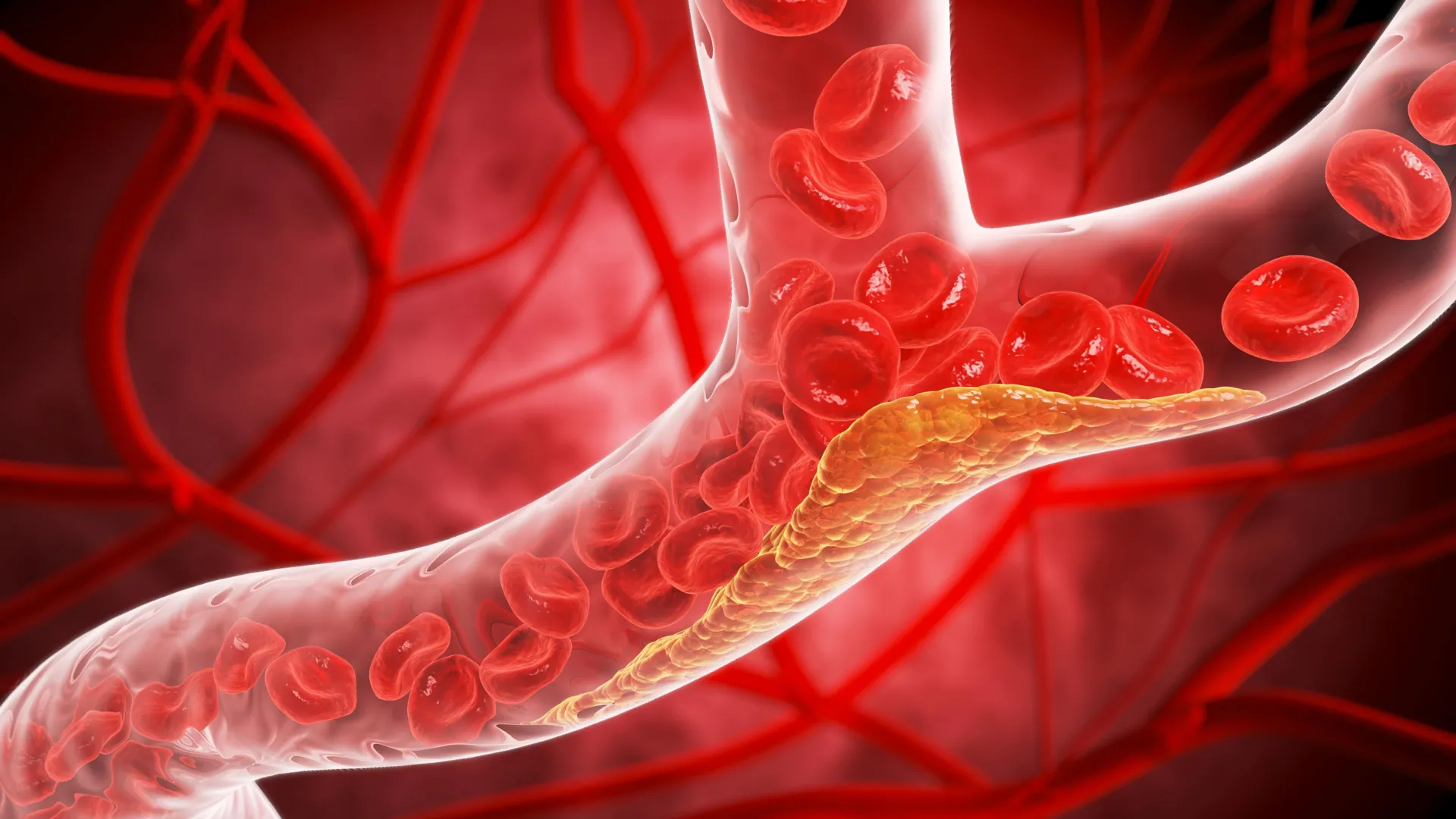
Atherosclerosis involves the gradual buildup of plaque—fats, cholesterol, and other substances—within the artery walls. Over time, these plaques can harden and narrow the arteries, eventually obstructing blood flow or rupturing to cause a life-threatening event.
The REACT study, led by Professor Henning Bundgaard of Rigshospitalet in Copenhagen and Dr. Borja Ibáñez of the Centro Nacional de Investigaciones Cardiovasculares (CNIC) in Spain, provides the most comprehensive "atlas" of this disease ever assembled. By enrolling 16,808 healthy participants between the ages of 18 and 70, the research team achieved a statistically significant look at the prevalence of silent atherosclerosis.
The results are staggering: among participants with no previous cardiovascular diagnosis or symptoms, 57.1% showed detectable atherosclerotic plaques. This figure confirms that the disease is not an exception for the aging population, but a common, early-onset condition that remains clinically invisible until it reaches a dangerous threshold.
Chronology of the REACT Initiative
The REACT project is an ambitious, multi-year undertaking funded by a EUR 23 million grant from the Novo Nordisk Foundation. The study is designed in two distinct phases, mapping the trajectory of cardiovascular health across the adult lifespan.
- 2024: Phase 1, titled REACT-DETECT, officially commenced. This phase focused on establishing a baseline of the prevalence of silent atherosclerosis across three major vascular territories: the carotid arteries (neck), femoral arteries (legs), and coronary arteries (heart).
- August 2026: The preliminary findings from Phase 1 were presented at the ESC Congress and simultaneously published in The New England Journal of Medicine, signaling a shift in global cardiovascular research priorities.
- 2027–2032 (Proposed): Pending continued funding, Phase 2, titled REACT-PROTECT, will transition from detection to intervention. This phase aims to conduct a large-scale, randomized clinical trial to determine if imaging-guided preventive strategies can effectively halt or reverse the progression of plaque buildup.
Supporting Data: Age, Sex, and Vascular Patterns
The data gathered during Phase 1 has provided granular insights into how atherosclerosis evolves, highlighting differences that traditional risk scores have historically missed.
Early Onset
Perhaps the most sobering finding is the discovery of plaque in young adults. The study found that approximately 1 in 13 participants aged 18 to 29 already showed signs of arterial disease. By the time individuals reach the 60 to 70 age bracket, the prevalence surges, with roughly 9 in 10 individuals harboring detectable plaque.
Gender Divergence
The study identified a clear sex-based gap in the development of the disease. Men tend to show earlier markers of atherosclerosis, with their pattern of disease progression appearing approximately five to ten years ahead of women. However, women exhibit a sharp, aggressive rise in prevalence between the ages of 40 and 60. This timeframe, which broadly overlaps with the menopausal transition, suggests that hormonal shifts may play a critical role in the acceleration of plaque buildup in women, necessitating gender-specific prevention strategies.
The Power of Peripheral Screening
The researchers discovered a significant overlap between vascular territories. Most participants who exhibited plaque in their coronary arteries also showed signs of disease in their carotid or femoral arteries. This is a critical finding because, while coronary imaging (like CT scans) is complex and expensive, carotid and femoral arteries are easily accessible via portable, non-invasive ultrasound. This correlation suggests that a simple, quick ultrasound screening could act as a "window" into the health of the heart.
Official Responses: Shifting the Paradigm
The investigators behind REACT emphasize that the current model of "risk estimation" is fundamentally limited.
"The REACT study is based on a simple but revolutionary idea: moving from the current model, which estimates the probability of cardiovascular disease on the basis of traditional risk factors, towards a new paradigm in which the disease is detected directly," says Dr. Borja Ibáñez. He argues that by the time a patient meets the traditional criteria for "high risk," they are often already harboring significant, established disease.
Professor Henning Bundgaard echoes this sentiment, noting the precision medicine potential of the findings: "The vision of REACT is to transform primary cardiovascular prevention through a precision medicine approach based on the early identification of atherosclerosis. Until now, preventive decisions have been based on an estimate of risk, but we did not know whether the disease was already present."
Dr. Valentin Fuster, Director General of CNIC and a pioneer in the field, highlights that this study builds upon the foundation of the PESA-CNIC-Santander study. "For years, we have proposed that early intervention in atherosclerosis could not only prevent its progression but might even make it possible to cure the disease. REACT will answer this question."
Implications for Global Public Health
The implications of the REACT findings are profound and far-reaching, potentially changing the standard of care for millions.
A Death Knell for Traditional Risk Scores?
Current risk assessment tools, such as the SCORE2 model, frequently categorize patients as "low risk" based on their cholesterol and blood pressure, even when they have hidden, underlying atherosclerosis. The REACT data suggests that these scores are missing a vast segment of the population. By identifying the disease directly, doctors could provide more aggressive, personalized interventions to those who would otherwise slip through the cracks of the current system.
Portable Ultrasound as a Diagnostic Tool
The potential to use portable ultrasound devices for mass screening could democratize access to cardiovascular diagnostics. If healthcare professionals can screen for plaque in the carotid and femoral arteries during routine check-ups, it could shift the entire healthcare system from reactive (treating heart attacks) to proactive (preventing them).
International Validation
Recognizing that cardiovascular health is influenced by diverse genetic and environmental factors, the REACT team is not keeping their scope limited to Europe. By establishing collaborations in India, Singapore, Tanzania, and Mexico, the team intends to validate whether the patterns of silent atherosclerosis observed in Spain and Denmark are universal. This global approach ensures that the resulting prevention strategies will be applicable to a wide variety of socioeconomic and demographic backgrounds.
The Future of "Curing" Heart Disease
Perhaps the most optimistic implication of the study is the possibility of reversing disease. If Phase 2 of the project confirms that early, image-guided intervention can stop the progression of plaque, the medical community may finally move toward a goal once thought impossible: the total prevention of the world’s most common killer.
The REACT study serves as a wake-up call. It reminds us that our bodies are often working harder to maintain health than we realize—and that the silent, invisible processes occurring within our arteries demand our attention long before the first symptom appears. As the project enters its next phase, it carries the weight of 20 million annual global deaths and the hope that, through precision and early detection, the narrative of cardiovascular disease can finally be rewritten.