









Featured Buzz – January 11, 2026
The landscape of respiratory medicine is undergoing a profound transformation. As clinicians grapple with the diagnostic complexities of chronic obstructive pulmonary disease (COPD), the fragile recovery of very low birth weight (VLBW) infants, and the persistent challenge of antibiotic stewardship in intensive care units (ICUs), a new wave of innovation is providing unprecedented clarity. Recent studies published in leading medical journals—including eBioMedicine, the Journal of Perinatology, and Nature Communications—highlight how the integration of artificial intelligence (AI) and novel diagnostic imaging techniques is not just enhancing diagnostic precision, but fundamentally altering clinical decision-making.
1. Transforming COPD Screening via AI-Enhanced ECGs
Chronic obstructive pulmonary disease (COPD) remains one of the world’s most significant health burdens, often remaining undiagnosed until the disease has reached advanced stages. Traditional diagnostic pathways rely heavily on spirometry, which, while the gold standard, is not always feasible during routine primary care visits.
The Mount Sinai Investigation
Researchers at the Mount Sinai Health System recently explored a pragmatic, high-volume alternative: the standard electrocardiogram (ECG). By harnessing the power of deep learning, the team sought to determine whether subtle patterns in cardiac electrical activity could serve as a surrogate marker for underlying lung obstruction.
The study was built on a massive foundation of data. Investigators analyzed 208,231 ECGs from 18,225 patients diagnosed with COPD across five New York-area hospitals. These were cross-referenced against a control group of 59,356 age-, sex-, and race-matched individuals, representing 552,771 ECG records.
Methodology and Technical Approach
The researchers utilized a Convolutional Neural Network (CNN)—a type of AI model particularly adept at identifying spatial patterns in complex data. By feeding the raw ECG traces into the model, the AI learned to recognize the distinct "fingerprints" of COPD-related heart strain and pulmonary architecture changes. The model’s performance was rigorously evaluated across three distinct cohorts: an internal testing group, an external validation group, and a focused external validation set consisting of 258 COPD cases and 1,290 matched controls.
Clinical Implications
While the researchers are careful to emphasize that AI-interpreted ECGs will not replace spirometry, the implications for population health are significant. "Earlier recognition may facilitate timely smoking cessation, targeted therapies, and pulmonary rehabilitation," the authors noted in eBioMedicine. By turning a routine heart test into a respiratory screening tool, the medical community could capture "silent" COPD cases years earlier than currently possible, potentially slowing disease progression and reducing the aggregate healthcare burden.
2. Predicting Extubation Success in VLBW Infants
For the most vulnerable patients in the Neonatal Intensive Care Unit (NICU)—very low birth weight (VLBW) infants—the process of weaning off mechanical ventilation is a high-stakes clinical tightrope. Premature extubation can lead to respiratory failure and reintubation, both of which are associated with increased mortality and long-term lung injury.
The University of Chicago Study
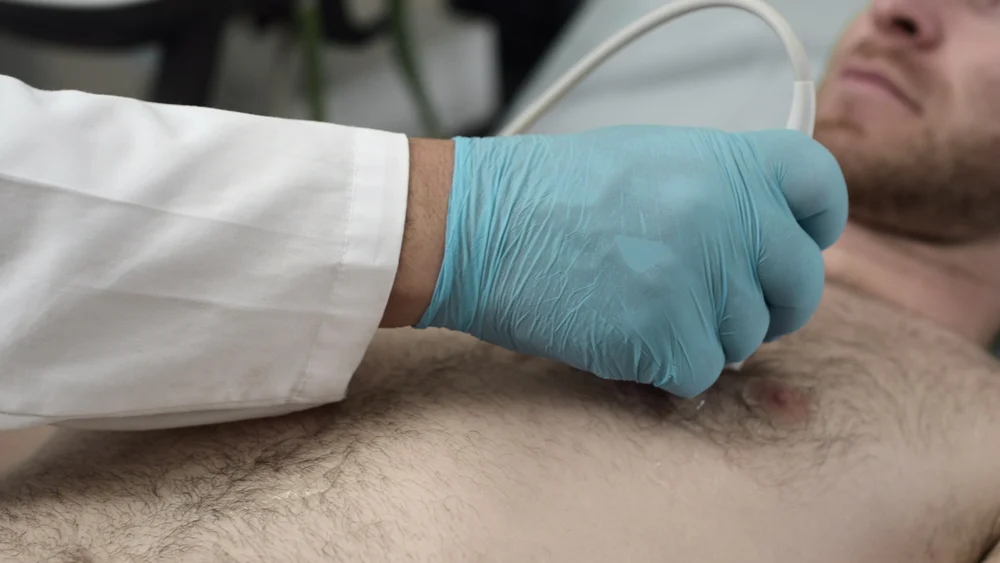
A team from the University of Chicago has introduced a more objective method for timing this critical transition: the lung ultrasound (LUS) score. In a study comparing 45 VLBW infants, the team evaluated 53 extubation attempts. The core of their methodology involved performing a standardized lung ultrasound three to six hours prior to each attempt to assess pulmonary aeration and fluid status.
Data and Findings
The study defined "failed extubation" as any instance requiring reintubation within seven days. The researchers found that the neonatal-adapted LUS score was a highly reliable predictor of success. Interestingly, the study also dispelled common misconceptions regarding pharmacotherapy, noting that treatment with dexamethasone did not correlate with improved LUS scores, suggesting that anatomical lung readiness is the primary driver of successful weaning.
The Path Forward for NICU Care
The research, published in the Journal of Perinatology, provides a standardized, non-invasive protocol that can be implemented bedside. By integrating LUS scores into the daily assessment of premature infants, neonatologists can move away from "trial-and-error" extubation, reducing the frequency of traumatic reintubation procedures and improving the developmental outcomes for VLBW infants.
3. Combating Antibiotic Overuse in Critically Ill Patients
One of the greatest challenges in modern intensive care is the timely diagnosis of lower respiratory tract infections (LRTIs) and the subsequent decision to administer antibiotics. The overuse of these drugs not only drives antimicrobial resistance but can also expose patients to unnecessary side effects and prolonged ICU stays.
The UCSF Diagnostic Model
Researchers at the University of California, San Francisco (UCSF), have developed a multi-modal AI diagnostic strategy that integrates host biomarkers with generative AI. The centerpiece of their approach is the FABP4 gene. Found in lung fluid samples, this biomarker plays a role in tempering inflammation; significantly, it is expressed at lower levels in infected lung cells compared to healthy ones.
By combining the FABP4 biomarker data with a generative AI analysis of electronic medical records (EMRs)—including complex clinical notes and chest X-ray reports—the team developed a robust diagnostic tool. This model, which is designed to function within a HIPAA-compliant GPT-4 interface, allows clinicians to interpret vast amounts of disparate clinical data in seconds.
Performance and Accuracy
In an observational study of critically ill adults, the model demonstrated a 96% diagnostic accuracy rate, consistently outperforming the clinical intuition of ICU teams. The implications for antibiotic stewardship are profound: the study suggests that the widespread implementation of this model could reduce inappropriate antibiotic prescriptions by more than 80%.
Official Responses and Future Directions
"This study suggests that integrating a host biomarker with large language model analysis can improve LRTI diagnosis in critically ill adults," the authors wrote in Nature Communications. The UCSF team is now moving toward full-scale validation for clinical use. Furthermore, they are actively investigating the potential of this "biomarker-plus-AI" architecture to revolutionize the diagnosis of sepsis, a condition where time-to-treatment is the single greatest determinant of survival.
Synthesis: The Future of Precision Medicine
The common thread connecting these three disparate areas of research is the shift toward "augmented intelligence." Whether it is identifying the subtle electrical signatures of COPD in an ECG, visualizing the physical readiness of a preterm infant’s lungs via ultrasound, or synthesizing biomarker data with patient notes to curb antibiotic overuse, the goal remains the same: to move from reactive, population-based care to proactive, precision-based interventions.
Chronology of Innovation
- January 2025: Initial data collection for the Mount Sinai AI-ECG project reaches significant statistical thresholds.
- Mid-2025: The University of Chicago concludes its VLBW infant study, establishing the efficacy of the neonatal-adapted LUS score.
- Late 2025: The UCSF team validates its GPT-4-integrated LRTI diagnostic tool in an observational ICU setting.
- January 2026: Peer-reviewed publication of all three studies, signaling a shift in clinical practice guidelines toward AI-integrated diagnostic workflows.
Addressing the Healthcare Burden
The integration of these tools addresses a critical bottleneck in the modern healthcare system: the "information overload" experienced by clinicians. By automating the screening for chronic disease and providing objective, data-driven support for acute care decisions, these technologies allow physicians to focus on the nuanced art of medicine rather than the mechanical tasks of data synthesis.
Official Perspectives on Adoption
While the transition to AI-assisted diagnostics faces regulatory and technical hurdles—such as ensuring HIPAA compliance and the need for standardized clinical training—the potential for improved patient quality of life is undeniable. The authors of the UCSF study underscore that these tools are not meant to replace the clinician’s judgment but to "serve as a second opinion," effectively raising the baseline of care across different hospital systems and experience levels.
Conclusion: A New Era
As we move further into 2026, the success of these studies demonstrates that the marriage of biology and computation is no longer theoretical. By refining how we interpret routine diagnostics and integrating host-response biomarkers, the medical community is moving closer to a future where hospital-acquired infections are better managed, chronic diseases are caught early, and the most vulnerable infants receive the personalized care they require to thrive. These findings represent a significant milestone in the ongoing quest to make healthcare more efficient, accurate, and, ultimately, more humane.