









In the quiet corridors of human physiology, a subtle but devastating process may be unfolding for millions of people. A landmark study, involving nearly half a million adults and spearheaded by researchers at the MRC Laboratory of Medical Sciences (LMS) and Imperial College London, has unveiled a chilling reality: the chronic stress and systemic inflammation woven into the fabric of modern life are leaving permanent physical scars on the heart.
This research, recognized as the largest of its kind, bridges the gap between socioeconomic hardship, mental health, and biological decay. It suggests that the "wear and tear" of everyday life is not merely a psychological burden, but a potent driver of cardiovascular disease that begins long before the first chest pain is ever felt.
The Silent Architect of Heart Disease: Understanding Chronic Inflammation
At the heart of the investigation is the concept of chronic inflammation—a state where the body’s immune system remains in a "switched-on" state, failing to return to equilibrium after a stressor has passed. While inflammation is a vital, short-term healing mechanism, its persistence acts as a corrosive force within the cardiovascular system.
For years, medical science has recognized inflammation as a contributor to various pathologies, including cancer and diabetes. However, this study elevates the status of chronic inflammation to a primary culprit in heart disease. The researchers utilized UK Biobank data, cross-referencing blood markers of inflammation—specifically glycoprotein acetyls (GlycA)—with sophisticated heart imaging and genetic datasets.
The Mechanics of Damage
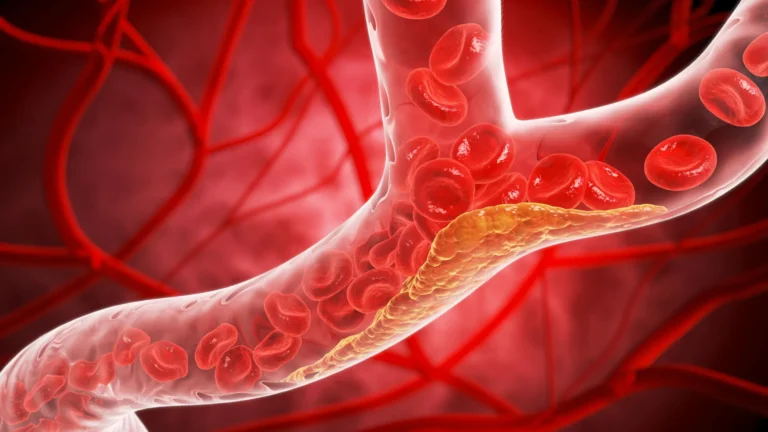
The study reveals that chronic inflammation triggers a physical "remodeling" of the heart muscle. As the immune system remains perpetually active, the heart undergoes structural alterations: heart walls thicken, chambers shrink, and the efficiency of the heart’s filling process diminishes. These changes are insidious, developing silently over years. By the time a patient presents with clinical symptoms, the damage has often reached a critical threshold, leading to heart failure, heart attacks, or strokes.
Chronology of Discovery: A Massive Data Undertaking
The scale of this research underscores the urgency of the findings. By analyzing the medical profiles of approximately 480,000 individuals, the team at Imperial College London was able to move beyond anecdotal evidence and establish a robust, statistical link between lifestyle factors and cardiac morphology.
Phase 1: Identifying the Inflammatory Marker
The research began by isolating GlycA, a stable biomarker that reflects systemic inflammation. By tracking this marker across a massive cohort, researchers observed that individuals in the highest 20% of inflammation levels experienced a staggering 43% higher risk of cardiovascular events compared to those in the lowest 20%.
Phase 2: Mapping Social and Lifestyle Correlation
The team then mapped these inflammatory profiles against social determinants of health. The results were stark: socioeconomic disadvantage, psychological distress, and environmental stressors were consistently linked to elevated inflammatory markers. This phase of the study provided the missing link between "life stressors" and "biological heart damage."
Phase 3: Genomic Integration
Finally, the researchers integrated genetic data to determine why some individuals are more resilient to stress than others. They discovered that while genetics play a significant role in how a body responds to environmental pressures, the lifestyle factors—such as smoking, inactivity, and socioeconomic status—remained the primary drivers of the observed heart damage.
Supporting Data: The 43% Threshold
The statistical significance of the findings is impossible to ignore. The study found that even in the absence of pre-existing cardiovascular conditions, individuals with chronically elevated inflammation faced a 43% increased risk of suffering a heart attack or stroke.
This figure serves as a "red line" for clinicians. The data suggests that measuring inflammation should perhaps be as routine as checking blood pressure or cholesterol levels. Furthermore, the study identified specific proteins within the interleukin-1 and TNF families as the likely mediators of this damage. These proteins are already the targets of advanced pharmaceutical research, suggesting that the path to a medical solution may be closer than previously anticipated.
Official Responses: A Call for Systemic Change
The implications of these findings have sent ripples through the scientific community, prompting calls for both individual behavioral changes and broader public health policy shifts.
Professor Declan O’Regan’s Assessment
Professor Declan O’Regan, British Heart Foundation Chair of Cardiovascular AI at Imperial College London, highlighted the unexpected intersection of social factors and biology. "Our study suggests that millions of people could be living with hidden inflammation, which is slowly changing their heart," O’Regan stated. He emphasized that the risk is not distributed equally, noting that economic status and family health play a foundational role in an individual’s inflammatory load. However, he remains optimistic about intervention: "While tackling health inequalities remains an issue, there are things that we can do about inflammation, including reducing risk factors like smoking and obesity."
The Perspective of the British Heart Foundation
Professor Bryan Williams, Chief Scientific and Medical Officer at the British Heart Foundation, echoed these concerns, framing inflammation as a "darker side" of the body’s healing process. "The research provides valuable insights into how our genes and lifestyle factors—such as smoking, poor mental health, and socioeconomic status—can converge to trigger inflammation," Williams remarked. He expressed hope that the identification of specific inflammatory proteins would lead to new anti-inflammatory medications that could act as a "preventative shield" for the heart.
Implications: The Future of Preventative Cardiology
The findings of this study do not merely describe a problem; they offer a roadmap for the future of medicine.
1. Early Detection through Blood Testing
The integration of inflammation blood tests (like GlycA) with existing genetic risk scores could revolutionize preventative cardiology. By identifying "at-risk" individuals decades before they experience a cardiac event, doctors could move from a model of reactive treatment to one of proactive protection.
2. Targeting the Source
The identification of interleukin-1 and TNF family proteins provides a clear target for pharmacological intervention. If anti-inflammatory drugs currently in clinical trials prove effective in reducing heart remodeling, we may soon have a method to "switch off" the inflammatory damage caused by chronic stress.
3. Addressing the Social Determinants of Health
Perhaps the most profound implication is the scientific validation of the link between socioeconomic hardship and physical heart damage. The study highlights that the "stress of poverty" is not just a societal issue—it is a physiological reality that manifests in the heart. This reinforces the argument that public health policies aimed at reducing poverty and improving mental health support are, in essence, cardiovascular health initiatives.
4. Empowerment Through Lifestyle
While the study acknowledges that some individuals have a higher genetic susceptibility to inflammation, it explicitly rejects the notion of biological determinism. The researchers stress that difficult life circumstances do not make heart disease inevitable. By focusing on modifiable risk factors—reducing smoking, managing obesity, and seeking support for psychological distress—individuals can significantly lower their inflammatory load and protect their long-term heart health.
Conclusion
The heart, often romanticized as the center of our emotional lives, is also the primary victim of our modern environmental pressures. The research from the MRC Laboratory of Medical Sciences and Imperial College London offers a sobering reminder: our social, economic, and psychological worlds are deeply integrated with our physical health.
As we move forward, the challenge for medicine will be to treat the heart not just as a pump, but as a barometer of our overall well-being. By addressing the silent, hidden inflammation caused by the pressures of modern life, we can potentially save millions of lives, proving that the most effective way to care for the heart is to care for the human condition in its entirety.
The study was funded by the Medical Research Council and the British Heart Foundation, with additional support from the NIHR Imperial Biomedical Research Centre, a partnership between Imperial College Healthcare NHS Trust and Imperial College London.