









For decades, the nutritional science community has been embroiled in a perpetual debate: Which diet holds the key to human longevity? Is it the heart-healthy Mediterranean regimen, the fiber-rich Nordic approach, or perhaps the blood-pressure-regulating DASH diet? A landmark study recently published in the journal Nature Communications suggests the answer is not a single "holy grail" of nutrition, but rather a flexible, inclusive approach to healthy eating.
Researchers from the German Center for Neurodegenerative Diseases (DZNE) have provided some of the most compelling evidence to date that multiple dietary patterns share a common denominator: the ability to slow biological aging. By analyzing the DNA of thousands of individuals, the study offers a refreshing, practical takeaway for the public—you do not need to adhere to a rigid, singular diet to reap the benefits of healthy aging.
The Science of Biological Clocks: Measuring Aging Beyond the Calendar
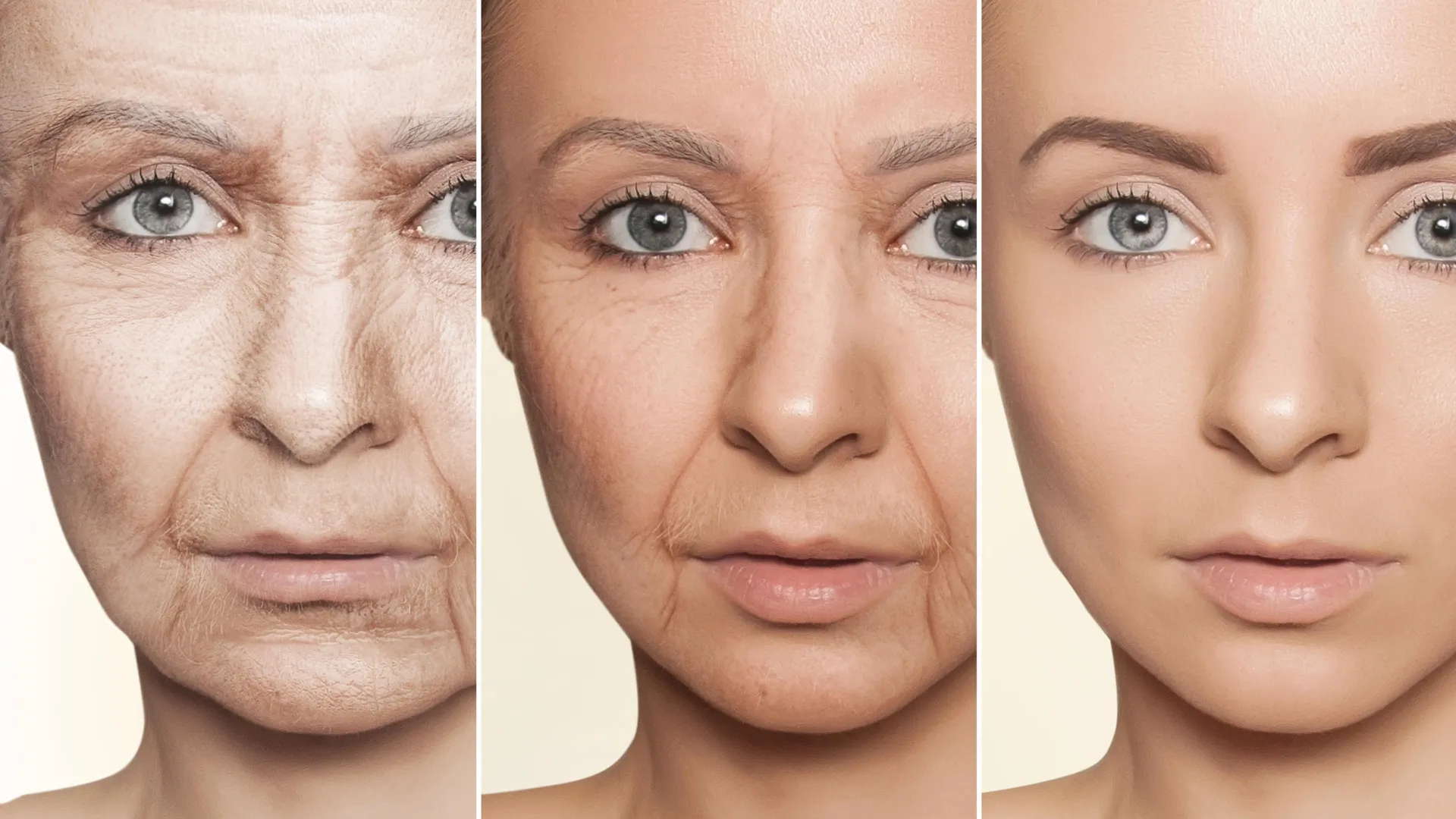
To understand how diet influences our internal health, one must distinguish between chronological age and biological age. While the former is simply the number of years we have been alive, the latter reflects the functional status of our cells and tissues.
The research team, led by experts at the DZNE, employed "epigenetic clocks" to measure this molecular aging. Specifically, they analyzed DNA methylation—chemical modifications to DNA that act as a regulatory layer for gene activity. As we age, these chemical patterns shift in predictable ways. By examining approximately 850,000 sites in the human genome, researchers could generate a precise estimate of a participant’s biological age.
"We applied three different approaches, so-called epigenetic clocks, to read biological aging from DNA methylation," explains Juliana Tavares, a doctoral researcher at the DZNE and lead author of the study. "This allowed us to cover about 850,000 sites in the DNA—roughly twice as many as in most previous studies."
Chronology of the Research: A Two-Phase Validation
The study was characterized by its robust methodology and large-scale validation, conducted in two distinct phases:
- The Rhineland Study (Phase I): The primary analysis involved 6,470 participants from the DZNE’s Rhineland Study in Bonn, Germany. Researchers cross-referenced detailed dietary logs with the biological data derived from blood samples to establish the initial link between dietary scores and epigenetic markers.
- The EPIC-Potsdam Confirmation (Phase II): To ensure the results were not an anomaly of one specific population, the team independently validated their findings using data from 1,034 participants in the EPIC-Potsdam Study, conducted by the German Institute of Human Nutrition Potsdam-Rehbrücke (DIfE).
The consistency of the results across these two separate populations—totaling roughly 7,500 individuals—lends significant weight to the study’s conclusions.
Evaluating the "Healthy" Repertoire
The researchers tested 10 different, well-established dietary patterns, including the Mediterranean diet, the DASH diet, the Nordic diet, and various plant-based eating plans. Each participant was scored on how closely their actual consumption matched the recommendations of each specific diet.
One of the most intriguing findings of the study was the lack of overlap between "healthy eaters." Because these diets prioritize different nutritional goals—some emphasizing specific fats, others focusing on sodium reduction or plant-derived proteins—a person who scored highly on the Mediterranean diet might score poorly on the DASH diet.
"One and the same person could rank high on one diet score and low on another," notes Tavares. "People who ate healthily by one standard were often not the same people who ate healthily by another. According to our data, hardly anyone counts as a healthy eater by every standard at once."
Despite this, the overarching trend was uniform: better adherence to any of the 10 diets was associated with slower biological aging. While some diets showed slightly stronger correlations than others, the absolute differences were modest, suggesting that the "big picture" of healthy eating is more important than the minute details of a specific label.
The Unexpected Phenomenon: Diet and the Smoker’s Paradox
Perhaps the most surprising discovery involved a sub-group of participants: smokers. The data revealed that the association between healthy eating and slower biological aging was actually stronger in smokers than in non-smokers.
This does not imply that a healthy diet "cancels out" the severe damage caused by tobacco. Rather, it suggests that because smoking inflicts such massive, systemic stress on the body, the positive, restorative influence of a healthy diet becomes more pronounced or "measurable" in contrast.
"Smoking is very harmful to health," Tavares emphasizes. "One explanation for our findings might be that there is just more health benefit to gain for smokers by eating healthy because of the enormous detrimental effects of smoking." This finding underscores the potential for nutritional interventions to act as a mitigating force, even in the presence of high-risk lifestyle behaviors.
Underlying Mechanisms: Shared Pathways to Longevity
The study delved deeper into the "why" by analyzing the biological pathways affected by these dietary shifts. Although different diets triggered changes at different DNA sites, the underlying biological processes were remarkably similar.
More than 70% of the affected pathways were shared across all 10 diets. These shared pathways regulate essential functions, including:
- Cellular Structure: Maintaining the integrity of cell membranes and internal architecture.
- Cell Signaling: Improving communication between cells, which often degrades with age.
- Metabolism: Optimizing how cells process energy and nutrients.
While the "general" benefits of healthy eating were universal, the study also identified diet-specific benefits. For instance, the DASH diet—designed to manage blood pressure—showed unique associations with heart-health pathways. Conversely, the MIND diet, which targets brain health, demonstrated distinct pathways linked to memory and cognitive function.
Official Perspectives: Implications for Public Health
Prof. Monique Breteler, Director of Population Health Sciences at the DZNE and head of the Rhineland Study, believes these findings have profound implications for public health policy and individual wellbeing.
"Our study suggests that healthy eating goes hand in hand with slower biological aging," says Prof. Breteler. "The effects are not massive, but they are measurable and relevant for prevention. By slowing the aging process, the risk of age-related diseases such as dementia or cardiovascular disorders can be reduced."
Perhaps the most empowering takeaway, according to Prof. Breteler, is the flexibility afforded to the individual. "Importantly, there is probably no single ‘correct’ diet. That is an encouraging finding, because it leaves room to tailor healthy eating to personal and cultural preferences, budget, and taste."
Conclusion: Toward a Personalized Future
The research from the DZNE effectively demystifies the "diet culture" that often overwhelms consumers. Instead of feeling pressured to follow a restrictive, perfect regimen, individuals can feel confident that a wide variety of healthy eating patterns—when followed with consistency—can help turn back the molecular clock.
The identification of diet-specific pathways also opens a new frontier for medical research. In the future, clinicians may be able to prescribe specific dietary interventions tailored to an individual’s health risks. For someone at risk of cognitive decline, the MIND diet might be prioritized, while someone with cardiovascular concerns might be steered toward DASH.
Ultimately, the message is one of optimism: we have a broad repertoire of tools to influence our biological trajectory. By focusing on the "big picture" of consistent, healthy nutrition, we can improve our quality of life and potentially stave off the chronic conditions that define the aging process. As science continues to map the epigenetic landscape, it becomes increasingly clear that the path to longevity is not a narrow, paved road, but a diverse landscape of healthy choices.