


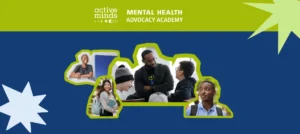

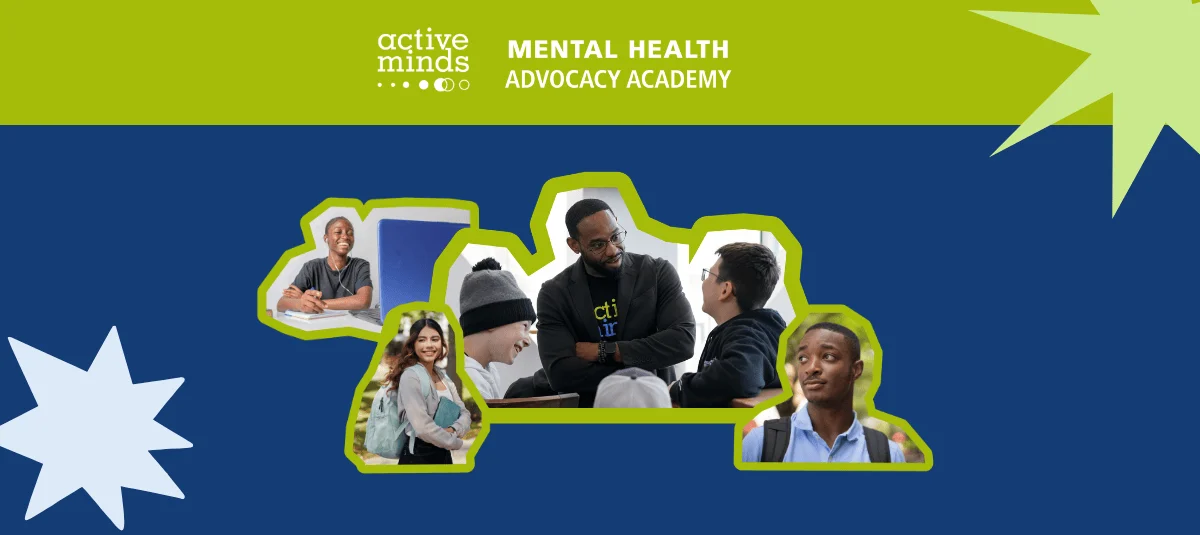
WASHINGTON, D.C. — Active Minds, the nation’s leading nonprofit organization dedicated to promoting mental health for young adults, has officially unveiled its Student Advisory Committee (SAC) for the 2026-2027 academic year. Comprising a diverse cohort of scholars, researchers, and activists, the new committee is tasked with a formidable mission: to serve as the national voice of the "mental health generation" and to bridge the gap between high-level policy and the lived experiences of students on the ground.
As the landscape of collegiate mental health continues to evolve in the wake of shifting social dynamics and technological advancements, the SAC stands as a critical pillar of Active Minds’ strategic vision. This year’s cohort represents a cross-section of American higher education, bringing expertise in public health, molecular biology, artificial intelligence, and systemic advocacy to the forefront of the national conversation.
Main Facts: The Architects of Student-Led Advocacy
The Student Advisory Committee is not merely a symbolic body; it is a functional advisory group that works directly with Active Minds’ national staff. Their responsibilities are comprehensive, ranging from advising on program planning and chapter management to shaping the agenda for the National Conference.
The 2026-2027 cohort includes:
- Kailani Goggans (Salem College): A specialist in psychological science and public health focused on community care.
- Dionisio (Dio) Taitano-Samora (Colorado State University Pueblo): A first-generation advocate focused on health equity for students of color.
- Rhea Makkuni (Johns Hopkins University): A researcher exploring the intersection of AI and mood disorders.
- Amy Senkerik (Arizona State University): A researcher and EMT with a background in suicide prevention and global health.
- Arjun Nair (Virginia Commonwealth University): A medical scholar focusing on substance use disorders and HIV prevention.
- Ivanna Sintes-Klein (University of Texas at Austin): A pioneer in peer support systems and pediatric health education.
By integrating these students into the decision-making process, Active Minds ensures that its initiatives remain culturally relevant, scientifically grounded, and responsive to the urgent needs of Gen Z.
Chronology: The Evolution of the SAC Mandate
The formation of the 2026-2027 SAC comes at a pivotal moment in the history of student advocacy.
The Formative Years (Early 2000s – 2015):
Active Minds began as a way to break the silence surrounding suicide on campus. During this era, the SAC was primarily focused on reducing stigma and encouraging students to seek help. The focus was on "awareness."
The Expansion Phase (2016 – 2023):
The mandate of the SAC shifted toward policy and systemic change. Students began participating in Congressional briefings and advocating for increased funding for campus counseling centers. The COVID-19 pandemic accelerated this, moving the conversation toward "crisis intervention" and "digital mental health."
The Current Era (2024 – 2027):
The 2026-2027 cohort enters an era defined by "interdisciplinary advocacy." As evidenced by the bios of the current members, mental health is no longer viewed in isolation. It is now inextricably linked to reproductive justice, AI technology, racial equity, and substance use policy. The current SAC is tasked with navigating these intersections to create a more holistic support framework.
Supporting Data: The State of Collegiate Mental Health
The necessity of the SAC is underscored by sobering data regarding the mental health of young adults. According to recent longitudinal studies:
- Prevalence of Struggles: Nearly 39% of college students report experiencing a significant mental health issue, yet many remain hesitant to utilize formal campus resources due to perceived stigma or administrative barriers.
- The "Peer-First" Trend: Research indicates that 67% of students who are struggling with their mental health will tell a friend before they tell a professional. This highlights the importance of the peer-to-peer models championed by SAC members like Ivanna Sintes-Klein and Arjun Nair.
- Resource Gaps: Despite increased awareness, the ratio of counselors to students on many campuses remains well below the recommended standards set by the International Accreditation of Counseling Services (IACS).
- Equity Disparities: Students of color and first-generation students, like Dionisio Taitano-Samora, often face additional barriers to care, including a lack of culturally competent providers and systemic socio-economic stressors.
The 2026-2027 SAC is specifically designed to address these data points by fostering "community care" models that supplement traditional clinical services.
Profile Deep-Dive: A Multidisciplinary Approach to Wellness
The strength of the 2026-2027 committee lies in the specific, high-level expertise each member brings to the table.
The Scientific Frontier: Rhea Makkuni and Amy Senkerik
At Johns Hopkins University, Rhea Makkuni is bridging the gap between technology and psychology. Her work in the PALS Lab involves applying artificial intelligence to mood disorders, a field that promises to revolutionize early intervention. Similarly, Amy Senkerik at ASU brings a clinical perspective. Having worked as an EMT and conducted cancer-neuroscience research at the Mayo Clinic, Senkerik understands the physiological underpinnings of mental health. Her participation in the Active Minds Congressional Briefing last May signals a move toward data-driven policy at the federal level.

Equity and Inclusion: Dionisio Taitano-Samora and Kailani Goggans
Dionisio Taitano-Samora represents the vital intersection of public health and ethnic identity. By focusing on the Chicano-CHamoru experience, Taitano-Samora is advocating for a "just education system" where mental health resources are accessible to those who have historically been marginalized. Kailani Goggans complements this by focusing on community care and reproductive freedom, recognizing that mental wellness is often tied to bodily autonomy and social justice.
Systemic Support: Arjun Nair and Ivanna Sintes-Klein
Arjun Nair is tackling some of the most stigmatized areas of public health: substance use and HIV prevention. His work suggests a shift in Active Minds’ strategy toward harm reduction and compassionate care for vulnerable populations. Meanwhile, Ivanna Sintes-Klein is revolutionizing peer support. By founding organizations like "Teddy Bear Hospital" and "Bobcat C.A.R.E.," she has demonstrated that student-led initiatives can often be more agile and effective than traditional administrative structures.
Official Responses: A Commitment to Youth-Led Change
In a statement regarding the new cohort, Active Minds emphasized the "indispensable" nature of the student voice.
"The Student Advisory Committee is the heartbeat of our organization," a spokesperson for Active Minds noted. "We do not believe in ‘for us, without us.’ To effectively address the mental health crisis among Gen Z, we must empower Gen Z to lead the way. These six individuals are not just advisors; they are the future of public health and medicine in America."
The organization also highlighted that the SAC’s work will be instrumental in planning the upcoming National Conference, which is expected to draw thousands of student leaders from across the globe. The focus of the 2026-2027 term will be on "sustainable advocacy"—ensuring that the momentum built by students does not dissipate after graduation, but instead transforms into lifelong professional commitments to wellness.
Implications: The Future of the Mental Health Movement
The selection of this specific cohort suggests several major shifts in the mental health movement for the coming years:
1. The Professionalization of Student Advocacy
The members of the 2026-2027 SAC are not just "interested" in mental health; they are professionals-in-training. With backgrounds in molecular biology, public health policy, and medical science, they represent a shift away from "awareness" and toward "expertise." This professionalization means that student chapters will likely become more sophisticated in their programming, utilizing data and clinical research to back their advocacy.
2. The Integration of Mental Health into General Healthcare
By including future physicians like Nair, Senkerik, and Goggans, Active Minds is signaling a move toward integrated care. The goal is a future where mental health is not a separate wing of a hospital or a separate office on a campus, but a fundamental component of every medical interaction.
3. A Focus on Systemic Health Equity
The inclusion of advocates for first-generation students and those in the LGBTQ+ and POC communities indicates that the future of mental health advocacy is intersectional. The SAC will likely push for policies that address the "social determinants of health"—the environmental and social conditions that influence mental well-being.
4. Technology as a Tool for Connection, Not Just Distraction
With researchers like Rhea Makkuni on the board, the conversation around technology is shifting. Instead of simply viewing social media as a detractor from mental health, the SAC is exploring how AI and digital platforms can be used to navigate fragmented care systems and provide resources to those in "mental health deserts."
Conclusion
The 2026-2027 Active Minds Student Advisory Committee represents the vanguard of a new era. As they begin their term, the eyes of the national mental health community will be on them. Their success will be measured not just in the programs they launch or the conferences they plan, but in the lives saved through the destigmatization of care and the implementation of more equitable, science-backed support systems.
For students and community members looking to engage with their national representatives, Active Minds encourages direct outreach through their chapter network. As this cohort takes the lead, the message is clear: the future of mental health is being written by those with the lived experience and the scientific rigor to change the world.