












For millions of adults over the age of 60, the medical mandate for managing high blood pressure (hypertension) has remained stubbornly consistent for decades: walk more, reduce sodium intake, and adhere to prescribed pharmaceutical regimens. While these pillars are undeniably foundational, many seniors find themselves trapped on a plateau, diligently hitting their step counts while their blood pressure monitors continue to display readings that remain stubbornly elevated.
As a personal trainer with four decades of experience—and 25 years spent training the next generation of fitness professionals at TRAINFITNESS—I have observed a recurring theme: the "walking-only" approach often hits a ceiling as we age. While walking is an excellent cardiovascular activity, it is frequently insufficient to trigger the physiological adaptations necessary to significantly lower resting blood pressure in the long term. To move the needle, we must integrate targeted, at-home isometric and resistance training.
The Psychological and Physical Hurdles to Progress
The most significant obstacle my clients face isn’t a lack of discipline; it is fear. Many individuals diagnosed with hypertension arrive at their first session with a deep-seated anxiety that physical exertion will trigger a cardiovascular event. Consequently, they avoid any movement that feels like "work," leading to a gradual loss of muscle mass and physical resilience.

This sedentary cycle is often compounded by the secondary effects of medication. Common antihypertensive drugs can cause orthostatic hypotension—dizziness when standing up quickly—which leads patients to avoid floor-based exercises entirely. Furthermore, those on beta-blockers find that their heart rate remains artificially suppressed, rendering traditional heart-rate-based training metrics useless. In such cases, we must rely on subjective measures: breathing patterns, perceived exertion, and observable physical form.
Understanding the "Hold" Mechanism: Why Isometrics Work
To understand why static, holding exercises—known as isometrics—are a game-changer, we must look at how blood vessels function. Regular aerobic exercise, like walking, helps vessels become more flexible and adept at vasodilation. However, isometric holds, such as wall sits or handgrip squeezes, perform a unique mechanical task.
When you hold a muscle in a static contraction, the working muscle compresses the blood vessels running through it. Upon releasing the hold, a rush of blood flows through these vessels, which in turn stimulates them to widen and relax. Recent clinical research has shown that this "squeeze and release" mechanism is highly effective at lowering resting blood pressure over several weeks. It asks a significant amount of the body in a short duration; two minutes of wall sitting provides a more potent stimulus to the thighs than a long, leisurely stroll.

The Five-Step At-Home Protocol
Safety is paramount. Before embarking on this or any new exercise regimen, consult with your physician, particularly if you experience chest pain, extreme dizziness, or have blood pressure that is currently uncontrolled.
1. The Wall Sit (Thigh Strength)
The wall sit is the gold standard for large-muscle isometric training.
- The Technique: Lean your back against a sturdy wall and slide down until your knees are bent at a comfortable angle. Keep your back flat against the wall.
- The Goal: Hold for 30 to 60 seconds, gradually building toward two minutes. Perform four rounds with one to two minutes of rest in between.
- Safety Note: Never hold your breath. Count out loud to ensure you are breathing steadily, as breath-holding can dangerously spike your blood pressure.
2. The Handgrip Squeeze
This is the most accessible exercise, requiring only a tennis ball, a stress ball, or a rolled-up towel.

- The Technique: Squeeze the object with moderate force while sitting comfortably. Maintain the squeeze without straining your neck or jaw.
- The Goal: Two sets of two-minute holds per hand, with one minute of rest between sets.
- Form Tip: If you find yourself holding your breath, you are gripping too hard. Reduce the intensity.
3. Band Chest Press
Resistance training is essential for maintaining muscle mass after 60, which directly supports metabolic health and cardiovascular function.
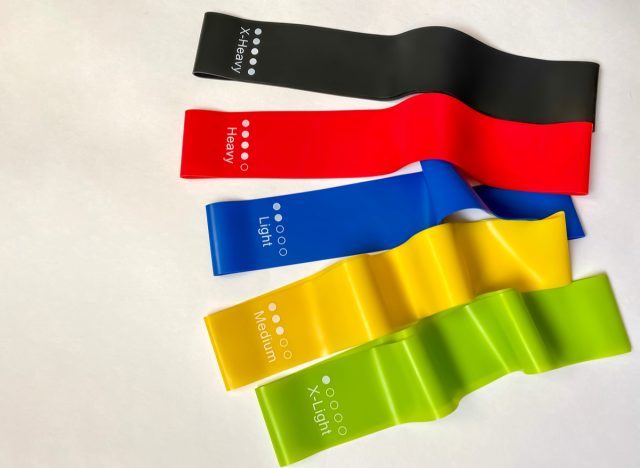
- The Technique: Wrap a resistance band around your upper back, holding the ends in each hand. Press your hands forward, extending your arms, then slowly return to the starting position.
- The Goal: Two to three sets of 10–12 repetitions.
- Safety Note: Keep your shoulders down and avoid hunching your neck.
4. Band Side Steps
This exercise targets the glutes and hips, which are crucial for balance and mobility.
- The Technique: Place a resistance band around your ankles. With a slight bend in your knees, take small, controlled steps to the side.
- The Goal: Three rounds of 10 steps in each direction.
- Form Tip: Keep your torso stable and upright; allow only the legs to move.
5. Brisk Marching Intervals
This provides the aerobic "boost" that steady-state walking lacks.

- The Technique: Alternate one minute of high-intensity marching (lifting knees high, pumping arms) with one minute of easy marching.
- The Goal: Repeat this cycle five times.
- Safety Note: If you are on beta-blockers, do not use heart rate as a guide. Focus on your breathing—you should be able to hold a conversation, but not sing a song.
Implementing the Routine: A Chronological Strategy
Consistency is the engine of change. I recommend a simple weekly structure to avoid burnout:
- Monday, Wednesday, Friday: Perform the Wall Sits and Handgrip Squeezes (the isometric holds).
- Tuesday, Thursday, Saturday: Incorporate the Band Chest Press and Side Steps (the resistance training).
- Daily: Maintain your 15-minute brisk marching intervals and your regular daily walks.
During the first two weeks, prioritize form over duration. Use a lighter band and shorter holds. As your body adapts, gradually increase the intensity. Always measure your blood pressure at the same time of day, in a seated, rested position, to ensure data accuracy.
Clinical Implications and Expectations
It is critical to manage expectations regarding results. Immediately following an exercise session, you may observe a temporary dip in blood pressure—a normal physiological response. However, the goal is a sustained trend over time.
Most individuals will begin to see a shift in their baseline readings after four to six weeks of consistent training. A clearer, more stable trend typically emerges by the 8 to 12-week mark. These outcomes are influenced by a constellation of factors, including medication, sleep quality, stress levels, and dietary habits.
A Note on Medical Supervision
Exercise is a powerful tool, but it is not a replacement for medical guidance. Never alter, reduce, or stop your blood pressure medication without explicit instruction from your doctor. If your home monitoring shows a positive downward trend, bring those records to your next appointment. Your physician will use that data to make informed decisions about your medication dosage.
Finally, recognize that these physiological benefits are "use it or lose it." If you stop training, the vessels lose the benefit of that regular, rhythmic "squeeze and release," and blood pressure readings will likely drift back to previous levels within a few weeks. By integrating these five simple movements into your lifestyle, you are not just exercising; you are actively managing your cardiovascular future, moving well beyond the limitations of the daily walk.