











Obsessive-Compulsive Disorder (OCD) remains one of the most misunderstood mental health conditions in modern society. Often trivialized in popular culture as a personality quirk—such as being a "neat freak" or having a preference for organization—the reality of OCD is far more debilitating. It is a chronic, often lifelong condition characterized by a cycle of intrusive, distressing thoughts and repetitive, ritualistic behaviors that can consume hours of a person’s day, severely impairing their ability to function in personal, professional, and social environments.
The Nature of the Condition: Core Definitions
At its medical foundation, OCD is defined by two primary components: obsessions and compulsions. While it is clinically possible to experience one without the other, they most frequently manifest in tandem.
Obsessions are defined as "ego-dystonic" thoughts. This psychological term refers to the fact that while the individual recognizes these thoughts as their own, they experience them as foreign, unwanted, and entirely outside of their personal control. These intrusive thoughts often center on themes of contamination, symmetry, harm, or forbidden impulses.
Compulsions are the subsequent actions—physical or mental—that a person feels driven to perform. These behaviors are not performed for pleasure; rather, they serve as a desperate, temporary mechanism to alleviate the overwhelming anxiety or "dread" triggered by the obsession.
Chronology and Developmental Patterns
The progression of OCD is often subtle in its onset, making early diagnosis a significant challenge.
- Childhood Origins: Research indicates that approximately one-third of adults who suffer from OCD first displayed signs of the disorder during childhood.
- The Adolescent Threshold: For a large portion of the population, the condition becomes more pronounced during the transition to adulthood. The average age of diagnosis typically falls around 19 years old.
- Fluctuating Severity: Symptoms of OCD are rarely static. They often wax and wane throughout an individual’s lifespan. Notably, clinical evidence shows that symptoms tend to spike in intensity during periods of high stress, life transitions, or significant emotional upheaval.
For a diagnosis to be made, the Diagnostic and Statistical Manual of Mental Disorders (DSM-5) requires that these symptoms occupy at least one hour of the sufferer’s day and create significant distress or functional impairment. Furthermore, the individual must maintain a level of insight, recognizing that their behaviors are, at some level, excessive or unreasonable.

Supporting Data and Demographic Prevalence
The prevalence of OCD is higher than many realize, cutting across all socioeconomic and demographic lines.
- Public Health Impact: Over 3 million Americans are estimated to suffer from OCD annually.
- Gender Parity: Unlike many anxiety-related disorders that show a gender bias, research indicates that OCD does not disproportionately affect one gender over another. It is a universal human experience that transcends cultural and biological boundaries.
- Clinical Burden: The "time-consuming" nature of the disorder is its most defining trait. When a patient spends hours each day performing rituals—such as checking locks, washing hands, or mentally reciting phrases—the loss of productivity and quality of life is profound.
The Search for Causes: Biological and Environmental Factors
While the exact "smoking gun" for OCD remains elusive to the scientific community, leading researchers—including experts at Harvard Medical School and the McLean Hospital—point to a complex interplay of factors:
- Genetic Predisposition: Studies suggest a strong hereditary component. If a first-degree relative has OCD, the likelihood of an individual developing the condition increases, suggesting that specific genetic markers may influence susceptibility.
- Neurological Circuitry: Neuroimaging studies have identified abnormalities in the communication between the orbital frontal cortex, the anterior cingulate cortex, and the basal ganglia. These regions are responsible for decision-making, impulse control, and emotional regulation.
- Environmental Triggers: While genes load the gun, environmental factors may pull the trigger. Severe trauma, prolonged childhood stress, or significant life events can serve as catalysts for the onset of symptoms in vulnerable individuals.
- Neurochemical Imbalances: Disruption in neurotransmitter systems—specifically serotonin—is a central theory. This is supported by the fact that many patients find symptom relief through Selective Serotonin Reuptake Inhibitors (SSRIs).
Professional Perspectives: The Medical Consensus
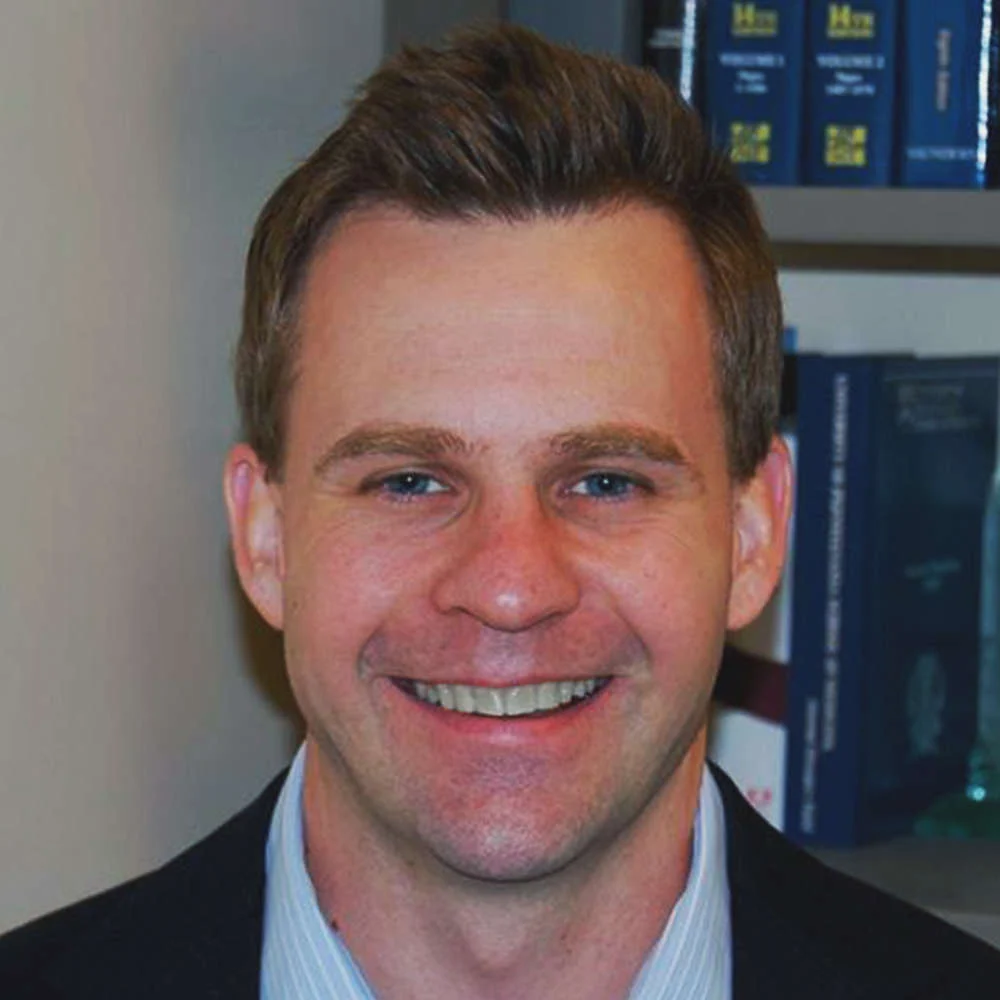
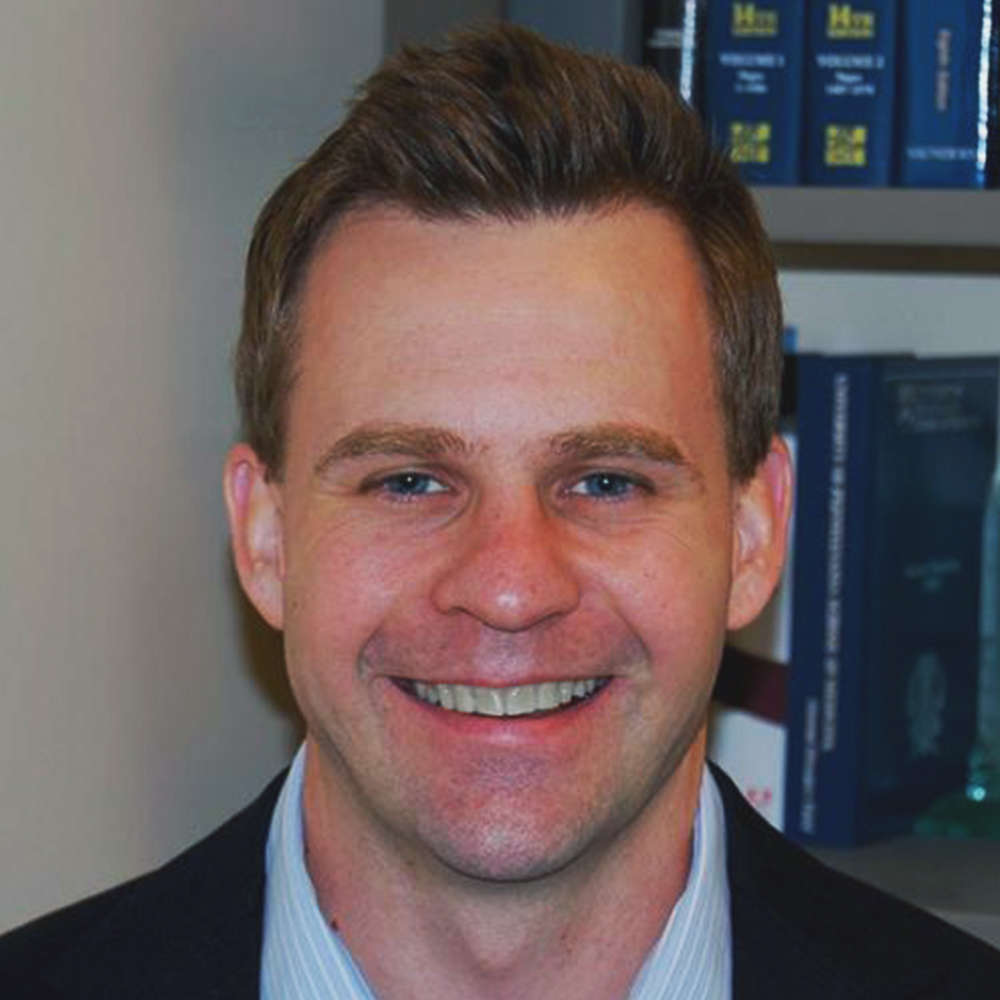
Dr. Brian P. Brennan, an Assistant Professor of Psychiatry at Harvard Medical School and Director of Medical Research at the Obsessive-Compulsive Disorder Institute at McLean Hospital, emphasizes that effective management requires a multi-modal approach.
According to Dr. Brennan, the overarching goal of modern psychiatric research is to identify novel biological targets that can improve pharmacological outcomes. By utilizing advanced neuroimaging, researchers are beginning to understand not just that treatments work, but how they influence the brain’s chemical and functional pathways.
The clinical consensus is clear: medication alone is rarely the "silver bullet." While antidepressants and anti-anxiety medications are essential tools in the psychiatric toolkit, they are most effective when paired with structured psychotherapy.
Implications for Treatment and Recovery
The path to recovery is rarely linear, but it is highly achievable with the right combination of interventions.
Psychotherapy: The Gold Standard
Cognitive Behavioral Therapy (CBT) serves as the cornerstone of OCD treatment. Specifically, Exposure and Response Prevention (ERP) is the most empirically supported method. In ERP, patients are systematically exposed to the triggers of their obsessions—such as touching a "contaminated" surface—and are coached to refrain from their usual ritualistic response. Over time, this process of habituation teaches the brain that the feared outcome will not occur, thereby reducing the power of the obsession.
Pharmacological Interventions
Medications like SSRIs and other antidepressants are often prescribed to dampen the intensity of the anxiety. However, these medications come with distinct risk profiles and side-effect considerations. Patients are urged to work closely with psychiatrists to monitor dosage and efficacy, ensuring that the medication supports the therapy rather than masking symptoms.
Holistic and Integrative Support
While medical and psychological interventions are primary, many patients find that incorporating mindfulness, meditation, and yoga helps manage the baseline level of stress that often exacerbates OCD symptoms. These practices encourage a state of present-moment awareness, which can help individuals distance themselves from the "ego-dystonic" thoughts that drive their compulsions.
Conclusion: Moving Toward a Life Beyond OCD
The burden of OCD is significant, but it is not insurmountable. The transition from suffering in silence to seeking professional help is the most important step an individual can take. By moving away from the stigma that minimizes OCD as a mere quirk and instead treating it as a complex, manageable neurobiological condition, patients can reclaim their time and their lives.
If you or a loved one believe you are exhibiting symptoms that interfere with daily life, the most critical step is to consult with a qualified mental health professional. Through a combination of evidence-based therapy, appropriate medication, and a commitment to understanding the underlying mechanisms of the disorder, recovery is not just a possibility—it is a proven reality for millions of individuals worldwide.
Disclaimer: This article is for informational purposes only and does not constitute medical advice. If you suspect you have symptoms of OCD, please consult with a licensed psychiatrist or psychologist to discuss your individual health needs.