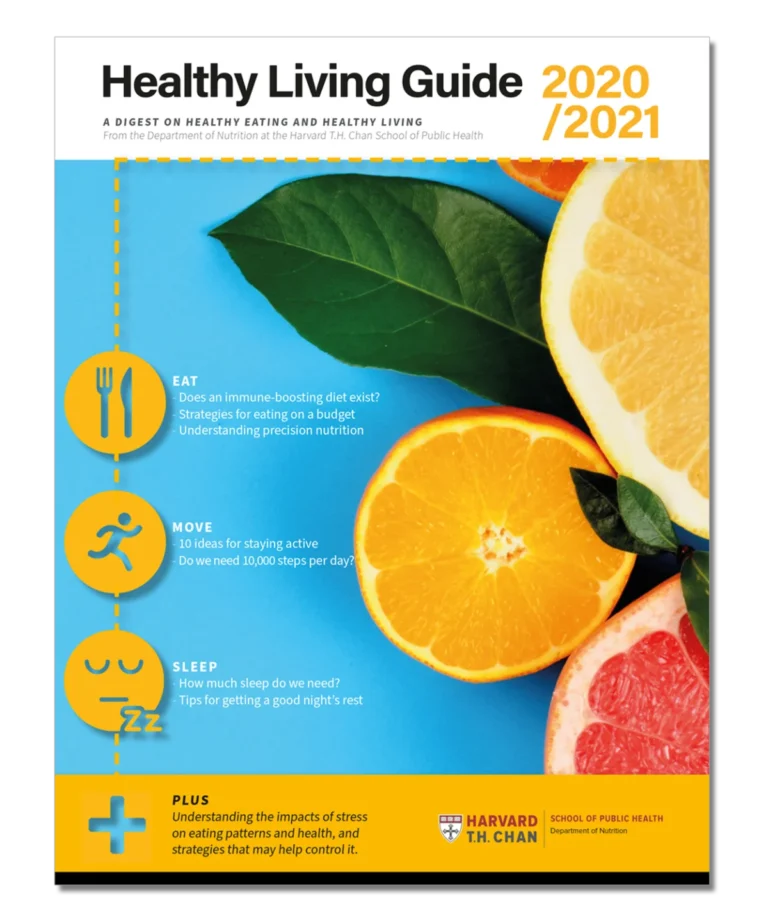












The release of the 9th edition of the Dietary Guidelines for Americans (2020-2025) represents a significant milestone in public health policy. With the overarching mandate to “Make Every Bite Count,” this comprehensive document—spanning nearly 150 pages—seeks to provide actionable nutritional roadmaps for policymakers, healthcare providers, and federal program operators. However, as the scientific community continues to evolve its understanding of the intersection between human nutrition, planetary health, and socioeconomic equity, the latest iteration of these guidelines has sparked a robust debate regarding their adequacy and future direction.
The Core Philosophy: Patterns Over Nutrients
A hallmark of the 2020-2025 edition, consistent with its predecessor, is the shift away from individual nutrient reductionism. Rather than obsessing over specific vitamins or demonizing singular food groups, the Guidelines emphasize “dietary patterns.” This structural shift recognizes that health outcomes are the result of cumulative consumption habits over time. By focusing on a wide variety of nutrient-dense foods across all categories, the report moves away from the “superfood” trend, which often prioritizes isolated ingredients at the expense of overall dietary balance.
The guidelines are also explicitly designed to be inclusive. Recognizing that nutrition does not exist in a vacuum, the report stresses that dietary choices are heavily influenced by a complex web of social determinants. Age, race, cultural heritage, environmental context, food access, and economic budget are identified as critical factors that nutrition educators must consider. The document acknowledges that for many Americans, "eating healthy" is not merely a matter of willpower but a logistical challenge dictated by systemic barriers.
A Chronological Evolution of Federal Nutrition Policy
To understand the current guidelines, one must look at the historical trajectory of U.S. nutrition policy. The Dietary Guidelines are mandated by the National Nutrition Monitoring and Related Research Act of 1990, which requires the Departments of Agriculture (USDA) and Health and Human Services (HHS) to update the report every five years based on the latest scientific and medical knowledge.
- 1980: The inaugural guidelines were published, focusing largely on basic health maintenance and the reduction of fat and cholesterol.
- 2005-2010: A period marked by the introduction of the "MyPyramid" and later "MyPlate" graphics, aiming to simplify complex nutritional advice for the general public.
- 2015-2020: This iteration notably removed the upper limit on total fat intake while setting explicit, evidence-based caps on added sugars, signaling a departure from low-fat dogmas toward more nuanced macronutrient management.
- 2020-2025: The current edition expands its scope to cover the entire life cycle, including specific recommendations for infants and toddlers, reflecting an "all-ages" approach to health.
Supporting Data and Key Recommendations
The 2020-2025 guidelines maintain the "Healthy U.S.-Style Dietary Pattern" as the primary framework, which remains largely consistent with previous iterations. The core recommendations include:
- Vegetables: A variety of vegetables from all subgroups—dark green; red and orange; legumes (beans and peas); starchy; and other vegetables.
- Fruits: Especially whole fruits.
- Grains: At least half of which should be whole grains.
- Dairy: Fat-free or low-fat milk, yogurt, and cheese, and/or lactose-free versions and fortified soy beverages and soy yogurt.
- Protein: A variety of protein foods, including lean meats, poultry, and eggs; seafood; beans, peas, and lentils; and nuts, seeds, and soy products.
- Oils: Including vegetable oils and oils in food.
The Thresholds for Restriction
The guidelines continue to advocate for strict limits on three primary components, now with specific age-based distinctions:
- Added Sugars: Less than 10% of calories per day for individuals aged 2 and older; avoiding foods and beverages with added sugars for those younger than age 2.
- Saturated Fat: Less than 10% of calories per day starting at age 2.
- Sodium: Less than 2,300 mg per day—and even less for children younger than age 14.
Critical Perspectives: Where the Guidelines Fall Short
Despite these structured recommendations, the 2020-2025 guidelines have faced significant criticism from leading nutrition experts. Dr. Walter Willett, Professor of Epidemiology and Nutrition at the Harvard T.H. Chan School of Public Health, has been a vocal critic of the report’s narrow focus.
The Sustainability Gap
One of the most profound critiques is the total silence on the environmental impact of recommended dietary patterns. While other global dietary guidelines—such as those in Canada or various Nordic countries—have begun integrating sustainability into their recommendations, the U.S. guidelines remain tethered to an older paradigm.
The current "Healthy U.S.-Style Pattern" remains relatively high in animal-based proteins. Scientific evidence increasingly demonstrates that the production of red meat, particularly beef, and dairy products exerts a disproportionate strain on the climate through greenhouse gas emissions and land use. By ignoring these environmental externalities, the guidelines provide a roadmap that may be nutritionally adequate for some, but ecologically unsustainable for the nation at large.
The Dairy Dilemma
Dr. Willett highlights a fundamental inconsistency regarding dairy recommendations. The guidelines continue to advocate for three servings of dairy per day, a recommendation that Willett notes lacks robust evidence for long-term health outcomes. Furthermore, the push for low-fat and fat-free dairy products ignores the economic and environmental reality of food production.
"Because the disposal of dairy fat would be hugely wasteful, it would almost certainly remain in the food supply," Willett explains. "This recommendation is somewhat of a fantasy." If the U.S. were to truly pivot toward a lower-fat dairy model while maintaining high consumption levels, it would necessitate a massive shift toward plant-based alternatives—a transition the current guidelines mention only in passing.
The "Lean Meat" Ambiguity
The guidelines also face scrutiny for their treatment of meat. While they prioritize "lean meats," they fail to adequately address the culinary and economic reality of how meat is consumed. In practice, the remaining cuts of meat—which are often higher in fat or processed—do not simply disappear from the food supply.
There is a significant concern that these "non-lean" cuts are disproportionately marketed to and consumed by lower-income populations, who already experience higher rates of diet-related chronic diseases such as obesity and type 2 diabetes. Furthermore, while the document does advise against processed meats like hot dogs and sausages, this guidance is relegated to deep-seated paragraphs rather than being highlighted in the primary protein recommendations. This burial of critical information is a missed opportunity to provide clear, actionable guidance on the dangers of processed meat consumption.
Implications for the Future
The 2020-2025 Dietary Guidelines for Americans offer a stable, if conservative, approach to national nutrition. They succeed in providing a comprehensive look at the life cycle and emphasizing the importance of diverse dietary patterns over isolated nutrients. However, the disconnect between these guidelines and the realities of climate change, food waste, and socioeconomic health disparities is growing.
For the guidelines to remain relevant in the coming decade, they must evolve to embrace a more holistic view of "healthy." This includes:
- Integrating Environmental Metrics: Explicitly acknowledging that the most "healthy" diets for humans are also the most sustainable for the planet.
- Clarifying Protein Sources: Moving away from broad "lean meat" categories to specifically favor plant-based proteins, fish, and poultry over red and processed meats.
- Addressing Economic Realities: Providing more robust support and resources for populations living in food deserts or those on limited budgets, ensuring that the guidelines are not just aspirational, but achievable.
As we look toward the 2025-2030 cycle, the challenge for federal agencies will be to reconcile traditional agricultural interests with the urgent, evidence-based need for a food system that serves both the individual and the environment. Until then, the Dietary Guidelines remain a foundational, though incomplete, tool for public health.