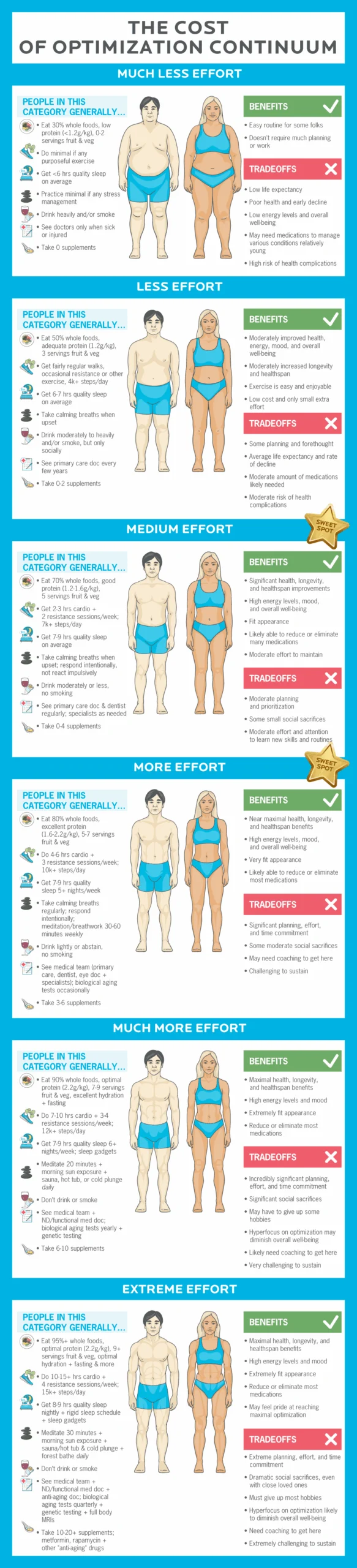












In an era defined by wearable trackers, biohacking trends, and an endless stream of longevity-focused podcasts, the modern pursuit of health has shifted. It is no longer enough to simply eat well and stay active; today’s wellness culture demands "optimization." From intermittent fasting and cold-plunge immersion to expensive supplement stacks and rigorous data tracking, the promise is alluring: reverse chronic disease, maintain a youthful glow, and perhaps even push the human lifespan toward the century mark.
But behind the polished Instagram feeds of fitness influencers and the complex protocols peddled by longevity experts lies a critical, under-examined question: Are these ultra-specific, high-maintenance protocols actually necessary—or even effective? And more importantly, do the immense investments of time, money, and mental energy yield a return that makes the trade-offs worthwhile?
The Main Facts: The Optimization Paradox
The wellness industry has successfully rebranded “health” as “optimization.” This shift implies that the human body is a machine to be tuned, rather than a biological system that thrives on consistency and balance.
Data from the longevity movement often cites extreme measures—such as measuring blood glucose levels every hour, consuming dozens of specialized supplements, or adhering to strict, restrictive diets—as the gold standard for long-term health. However, recent scrutiny from medical professionals suggests a "law of diminishing returns" in the wellness space. While the foundational pillars of health—adequate sleep, balanced nutrition, regular movement, and social connection—are empirically proven to extend lifespan, the "marginal gains" sought by biohackers often come at the expense of quality of life.
The core tension is this: If you spend three hours a day obsessing over your longevity metrics, are you actually living a longer, higher-quality life, or are you simply spending your current life preoccupied with the act of extending it?
A Chronological Shift: From Wellness to Biohacking
To understand how we arrived at this obsession with optimization, we must look at the evolution of the health industry over the last two decades.
- The 2000s: The Rise of General Fitness. This era focused on the basics: the USDA food pyramid, gym memberships, and the burgeoning popularity of aerobic exercise. The goal was general disease prevention.
- The 2010s: The Data Revolution. The introduction of the Fitbit and Apple Watch changed the landscape. Suddenly, individuals had access to real-time data on their heart rate, step count, and sleep quality. Health became quantifiable.
- The 2020s: The Biohacking Explosion. With the rise of longevity influencers and the democratization of advanced blood testing and continuous glucose monitors (CGMs), the focus shifted from "being healthy" to "optimizing biology." Algorithms and AI-driven health platforms began suggesting hyper-personalized, often restrictive routines that promise to slow the aging process at a cellular level.
This timeline reveals a steady progression from communal, habit-based health toward an individualistic, high-friction model that requires significant financial and cognitive overhead.
Supporting Data: The High Cost of the "Optimal" Lifestyle
While it is tempting to believe that more effort equals better results, the data suggests otherwise.
1. The Financial Burden
A recent analysis of “optimal” health protocols suggests that an individual following a comprehensive biohacking regimen—including specialized functional medicine tests, high-end supplements, cold therapy equipment, and premium organic food—can easily spend between $5,000 and $20,000 per year. For most, this creates a barrier to entry that excludes the very people who might benefit most from basic, accessible health interventions.
2. The Cognitive Load
The "mental tax" of optimization is perhaps the most overlooked cost. Constant monitoring of biomarkers can lead to "orthosomnia" (an obsession with perfect sleep data) or exercise-induced anxiety. Studies in behavioral psychology indicate that when individuals view their health as a series of rigid, high-stakes tasks, they are significantly more likely to experience burnout and eventually abandon healthy habits altogether.
3. The Science of the "Basics"
When we strip away the marketing, the scientific consensus on longevity remains remarkably consistent and—refreshingly—simple. Large-scale longitudinal studies, such as those observing the Blue Zones, emphasize:
- Plant-forward, nutrient-dense diets (not necessarily exotic superfoods).
- Regular, moderate movement (not necessarily grueling, data-tracked workouts).
- Strong community ties (a factor that cannot be bought or tracked via an app).
- Purpose and stress management.
Official Responses and Expert Consensus
Medical institutions and public health organizations have remained cautious regarding the "optimization" trend. The general consensus among medical professionals is that while advancements in longevity science are promising, the application of these tools by the general public often lacks the nuance of clinical oversight.
"There is a dangerous tendency to treat longevity research as a finished product," says Dr. Elena Vance, a consultant in preventative medicine. "Many of these protocols are based on animal studies or short-term clinical trials. When an influencer tells you that a specific supplement will add ten years to your life, they are often conflating correlation with causation. Most people would see better results by simply improving their sleep hygiene and reducing processed sugar intake than by spending thousands on experimental anti-aging therapies."

Furthermore, health psychologists warn that the "optimization" mindset can exacerbate anxiety. If your health protocol requires perfection, any "failure" (such as a missed workout or an indulgent meal) can lead to feelings of inadequacy, which are counterproductive to long-term health.
Implications: Finding the Middle Path
If the "optimal" route is fraught with hidden costs and diminishing returns, what is the alternative? The goal should be sustainable health—a model that integrates wellness into the life you already enjoy, rather than forcing your life to conform to the demands of your health regimen.
The Shift Toward Sustainability
Sustainable health involves identifying the "high-leverage" habits. These are the actions that provide the greatest benefit for the least amount of friction. Examples include:
- Prioritizing Sleep: Not for the data, but for the recovery.
- Habitual Movement: Finding activities you enjoy enough to do for decades.
- Balanced Nutrition: Focusing on consistency over perfection.
- Social Connection: Investing in relationships, which is a stronger predictor of longevity than almost any supplement stack.
By focusing on these pillars, you achieve the "healthy aging" benefits that the biohackers are chasing, but without the financial strain or the psychological burden of a high-maintenance protocol.
Conclusion: A Better Way to Age
The pursuit of longevity should be an act of self-care, not an act of self-punishment. If your health routine feels like a second job, it is likely unsustainable. True health optimization isn’t about reaching 115 by living a life of restriction; it is about reaching your later years with your vitality, your joy, and your relationships intact.
For those looking for a roadmap that balances rigorous science with the realities of modern life, the goal is clarity. Whether you are a coach guiding others or an individual seeking to improve your own trajectory, the answer lies in simple, evidence-based habits that stand the test of time.
Take the Longevity Assessment
Are your current health efforts aligned with your goals, or are you over-complicating the process? To help you gain perspective, we have developed The Longevity Assessment. This tool is designed to help you identify which habits are providing the biggest return on your investment and which ones you might be able to dial back.
[Click here to begin your assessment.]
Become a Catalyst for Health
If you are passionate about helping others move past the confusion of the wellness industry and toward sustainable, life-changing habits, consider the PN Level 1 Nutrition Coaching Certification. We provide the framework, the science, and the coaching skills necessary to help people build lives that are not only healthier but also more fulfilling.
[Learn more and enroll at a special rate here.]
For a full review of the latest research and a deep dive into the data behind these findings, read our comprehensive article: The True Cost of "Optimal" Health.
Disclaimer: This article is for informational purposes only and does not constitute medical advice. Always consult with a qualified healthcare professional before making significant changes to your diet or exercise routine.