









For decades, the medical community has focused on diet, exercise, and genetics as the primary architects of heart health. However, a groundbreaking study published on September 9 in the European Heart Journal suggests that a pervasive, often ignored environmental factor—light at night—may be quietly altering the very structure of our hearts.
The research, involving over 11,000 participants, provides the first clinical evidence that exposure to artificial light during sleep hours is linked to “cardiac remodeling,” a process where the heart’s chambers thicken and lose their natural flexibility. As our modern world becomes increasingly illuminated, these findings serve as a stark wake-up call, positioning darkness as a vital, yet overlooked, pillar of cardiovascular wellness.
The Core Findings: A Structural Shift
The study, spearheaded by Professor Lu Qi of Tulane University in New Orleans, utilized data from the UK Biobank to bridge the gap between environmental light exposure and cardiac physiology. By tracking 11,071 individuals over a three-year period, researchers were able to correlate specific levels of nighttime illumination with measurable physical changes in the heart.
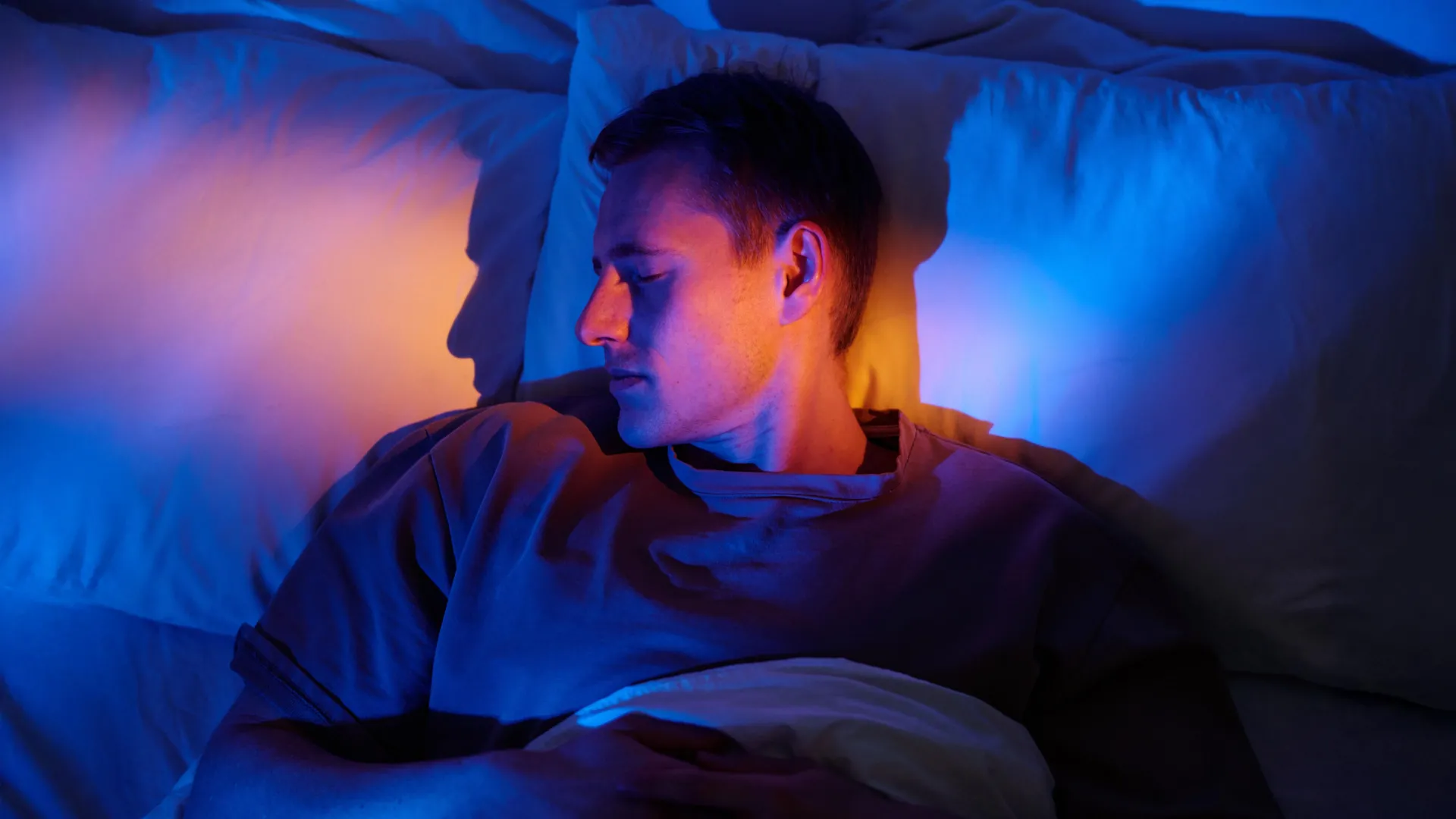
The results were unequivocal: participants who slept in rooms with light levels exceeding three lux—roughly the amount of light emitted by a dim streetlamp filtering through a curtain—showed significant structural alterations compared to those who slept in near-total darkness.
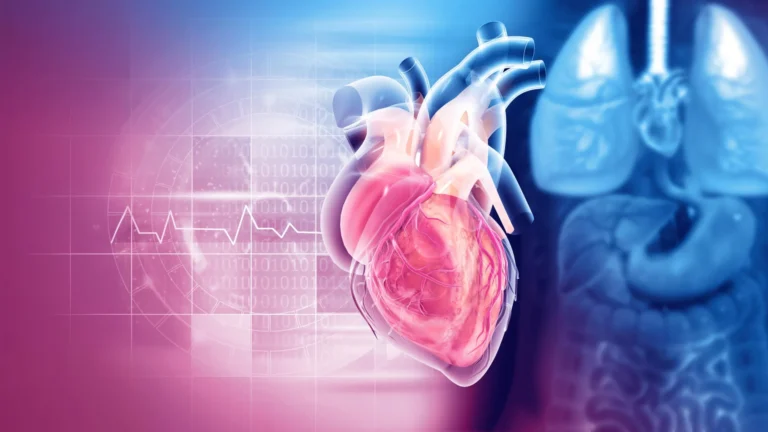
The most concerning observation was the thickening of the wall of the left ventricle. This thickening, known as hypertrophy, encroaches on the chamber’s interior space, limiting the volume of blood the heart can pump. Furthermore, the heart muscle exhibited reduced flexibility, a hallmark of declining cardiovascular efficiency. These changes were not limited to the left ventricle; the right ventricle and the left atria also showed signs of stress.
"This is the first study of its kind," says Professor Qi. "It shows that exposure to higher levels of light at nighttime is linked to cardiac remodeling. This is where the structure and function of the heart changes, and we typically see it in response to chronic stress or injury to the heart. It’s our body’s way of adapting to that stress, but ultimately, it weakens the heart and can lead to heart failure."
Chronology of the Research
The study’s robust design was made possible by the comprehensive data available through the UK Biobank. The research unfolded in three distinct phases:
- Monitoring Phase: Participants were equipped with high-precision wrist-worn light sensors for seven continuous days. This allowed researchers to capture an objective snapshot of their nocturnal environment, moving beyond the inaccuracies of self-reported sleep habits.
- The Three-Year Interval: Following the monitoring period, participants went about their daily lives for three years. This longitudinal approach was critical, as it allowed the researchers to observe how prolonged, habitual exposure to nighttime light manifests in the physical organ over time.
- The Imaging Phase: After the three-year mark, the participants underwent state-of-the-art cardiac MRI scans. These images provided a high-resolution view of the heart’s anatomy, allowing the researchers to measure wall thickness, chamber volume, and contractile function with unprecedented accuracy.
By comparing the MRI results against the baseline light-exposure data, the team was able to establish a dose-response relationship: as light exposure increased, the degree of cardiac remodeling intensified.
Supporting Data and Biological Mechanisms
The association between light and heart health is not merely observational; it is biologically coherent. Human biology is governed by circadian rhythms—internal 24-hour clocks regulated primarily by light and dark cycles.
When we are exposed to artificial light at night, our brains suppress the production of melatonin, a hormone that does more than just induce sleep. Melatonin is a potent antioxidant with anti-inflammatory properties that play a crucial role in protecting the cardiovascular system. Chronic suppression of melatonin through nighttime light exposure creates a state of systemic stress.
The heart, as a highly metabolic organ, is particularly sensitive to this disruption. The "remodeling" identified in the study—a process usually reserved for patients dealing with hypertension or chronic valvular disease—is the heart’s attempt to compensate for the cellular stress caused by the lack of restorative, dark-cycle sleep. When the heart becomes "stiff," it must work harder to circulate blood, creating a feedback loop of strain that can eventually lead to arrhythmias, heart failure, and other cardiovascular pathologies.
Official Responses and Clinical Implications
The publication of these findings has prompted an immediate reaction from the global medical community. Accompanying the study was a powerful editorial authored by Professor Thomas Münzel of the University Medical Center Mainz, Germany, and his colleagues. They argue that the findings necessitate a paradigm shift in how cardiologists approach patient care.
"It is time for clinicians, particularly those managing patients with heart failure or atrial fibrillation, to start asking about the sleep environment," the editorial stated. The authors suggest that questions about bedroom darkness, shift work, and late-night screen usage should become a standard part of a patient’s medical history, no different than questions about smoking or alcohol consumption.
Simple Solutions for a Complex Problem
One of the most encouraging aspects of the report is the feasibility of the proposed interventions. The researchers emphasize that protecting the heart from light-induced stress is neither expensive nor invasive:
- Blackout Curtains: An effective barrier against light pollution from streetlights and external signage.
- Warm-Coloured Lighting: Transitioning to bulbs with warmer color temperatures (red or amber) for evening use minimizes the blue light spectrum that is most disruptive to the circadian rhythm.
- The "Standby" Audit: Covering small LEDs on household electronics—such as chargers, televisions, and smart devices—can significantly reduce the ambient light in a bedroom.
The Public Health Perspective: A Call for Policy
Beyond the individual bedroom, the researchers emphasize that this is a public health crisis that requires systemic intervention. Light pollution is increasingly viewed as an environmental hazard that, unlike air or water pollution, can be controlled with existing technology.
"From a public health perspective, the implications are larger still," says the editorial team. "Light pollution is one of the few environmental hazards that cities can control directly and affordably."
Policy makers are encouraged to consider the following:
- Shielded Fixtures: Ensuring that outdoor street lighting is directed downward, rather than scattering into the night sky or into residential windows.
- Warm-Spectrum Bulbs: Transitioning city infrastructure to warmer, lower-intensity light sources.
- Adaptive Lighting: Implementing motion-activated or dimmable streetlights that reduce output during late-night hours when foot traffic is minimal.
Conclusion: Darkness as a Vital Sign
The study led by Professor Qi provides a chilling, yet empowering, connection between the macro-scale reality of a planet that is glowing ever brighter at night and the micro-scale reality unfolding inside our chests. We are living in an era where the night is being colonized by artificial illumination, and we are only now beginning to understand the biological cost.
The conclusion of the European Heart Journal editorial is perhaps the most poignant takeaway: "Ultimately, this study is more than an interesting observation. It provides a crucial link between what satellites already show us… and the clinical reality unfolding inside our chests: hearts that are becoming stiffer, weaker, and less efficient."
As we move forward, the medical community must recognize darkness as a "vital sign"—a fundamental requirement for human health on par with blood pressure monitoring, clean air, and regular physical activity. By reclaiming the night, we may be able to protect the very heart of our longevity, ensuring that our internal rhythms remain in sync with the natural world.