




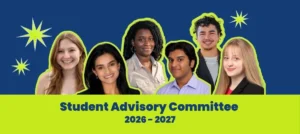

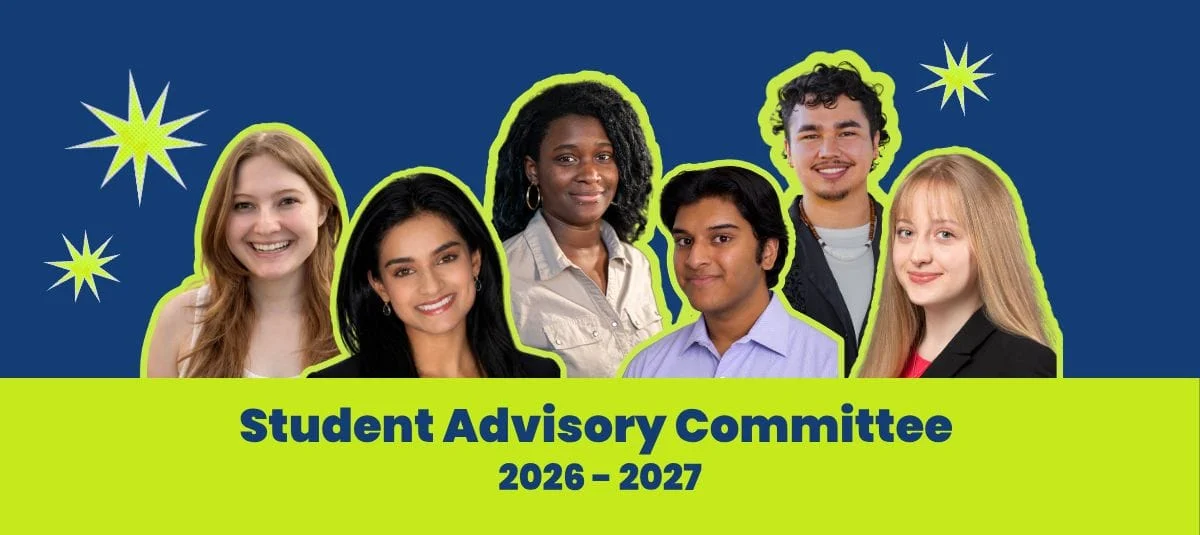
WASHINGTON, D.C. — In a definitive move to amplify the voices of the most influential generation in the mental health movement, Active Minds, the nation’s premier nonprofit organization supporting mental health awareness and education for young adults, has officially unveiled its Student Advisory Committee (SAC) for the 2026-2027 academic year. Comprising a diverse group of student leaders, the SAC is tasked with a critical mission: bridging the gap between national mental health policy and the lived experiences of students on the ground.
As the landscape of collegiate mental health continues to evolve in a post-pandemic era, this new cohort of Gen Z activists represents a sophisticated, intersectional approach to advocacy. These leaders are not merely participants in the conversation; they are the architects of the programs, media strategies, and community-building initiatives that will define the next two years of mental health engagement across thousands of chapters nationwide.
Main Facts: The Role and Reach of the SAC
The Active Minds Student Advisory Committee serves as the national "student voice," providing essential consultation to the organization’s national staff. Their responsibilities are expansive, covering student engagement, community building, and the meticulous planning of the National Conference. Furthermore, the committee advises on chapter management and program promotion, ensuring that Active Minds’ initiatives remain culturally competent and relevant to the unique stressors facing today’s youth.

The 2026-2027 cohort is particularly notable for its high level of academic and professional specialization. From artificial intelligence researchers to future public health physicians, the committee members bring a multidisciplinary lens to mental health. They are tasked with representing Active Minds in national media forums, advising on legislative advocacy, and fostering a sense of belonging within the sprawling network of Gen Z activists.
Chronology: From Grassroots Leadership to National Influence
The journey to the SAC typically begins at the local level, where students demonstrate exceptional leadership within their campus chapters. The 2026-2027 cohort represents the culmination of years of dedicated advocacy.
- Local Foundations: Each member of the new SAC began by identifying gaps in mental health resources on their respective campuses. Whether by founding new organizations, like Ivanna Sintes-Klein’s "Bobcat C.A.R.E." at Texas State, or revitalizing existing chapters, these leaders established themselves as reliable peer-to-peer resources.
- Regional Recognition: Through participation in the Active Minds Mental Health Advocacy Institute and various congressional briefings—such as the one attended by Amy Senkerik in May 2024—these students transitioned from local organizers to regional influencers.
- National Selection: The selection process for the 2026-2027 cohort involved a rigorous evaluation of the students’ ability to synthesize complex public health data with empathetic community care. The final committee was chosen for its geographical diversity and its members’ ability to address specific, underserved intersections of mental health, including substance use disorders and first-generation student experiences.
Profiles in Leadership: Meet the 2026-2027 Cohort
The strength of the SAC lies in the individual expertise of its members. Each student brings a specific focus that enriches the national strategy.
Kailani Goggans (Salem College)
A student of Psychological Science and Public Health, Goggans represents the intersection of clinical medicine and community policy. As President of multiple organizations, including "Siblings Demand Justice," her work emphasizes that mental health cannot be separated from social justice. Her goal of obtaining an MD/MPH highlights a growing trend among SAC members: the desire to reform the medical system from within.

Dionisio (Dio) Taitano-Samora (Colorado State University Pueblo)
A first-generation Chicano-CHamoru student, Taitano-Samora brings a vital perspective on health equity. His work with "Young Invincibles" and "The Hub for Youth Centered Engagement" focuses on the systemic barriers that students of color face. By serving on the Youth Advisory Board for Colorado, he is already influencing policy regarding healthcare access and the workforce, ensuring that the SAC’s national strategy is inclusive of marginalized identities.
Rhea Makkuni (Johns Hopkins University)
Makkuni represents the technological frontier of mental health advocacy. Studying Molecular and Cellular Biology alongside Computer Science, she conducts research in the PALS Lab at the Johns Hopkins School of Medicine. Her work applies artificial intelligence to the study of mood disorders, offering a data-driven approach to solving fragmented healthcare systems and reducing the stigma associated with clinical diagnosis.
Amy Senkerik (Arizona State University)
A Fulbright Scholar and EMT, Senkerik’s background is rooted in crisis intervention and high-level research. Having conducted cancer-neuroscience research at the Mayo Clinic and Cedars-Sinai, she understands the physiological underpinnings of mental health. Her involvement with the American Foundation for Suicide Prevention and her participation in Congressional Briefings make her a formidable advocate for systemic legislative change.
Arjun Nair (Virginia Commonwealth University)
Nair’s focus is on the often-stigmatized intersection of substance use disorders and HIV prevention. As a member of the Student Advisory Board of the American Academy of HIV Medicine, he brings a specialized public health lens to Active Minds. His goal is to strengthen the connections between campus chapters and professional medical associations, empowering students to become "mental health champions" in highly specialized fields.

Ivanna Sintes-Klein (University of Texas at Austin)
Sintes-Klein is a master of organizational building and peer support. As a Longhorn SHARE Support Specialist, she facilitates the "peer-to-peer" model that is the hallmark of Active Minds. Her founding of "Teddy Bear Hospital USA" at UT demonstrates her commitment to using play and empathy to reduce medical anxiety in children, showing that mental health advocacy begins long before a student reaches a college campus.
Supporting Data: The State of Youth Mental Health
The appointment of this committee comes at a time when the demand for student-led mental health initiatives is at an all-time high. Recent data from the CDC and various collegiate mental health surveys indicate that nearly 40% of college students report experiencing significant depression, while over 30% report chronic anxiety.
However, the "Active Minds Model" has shown measurable success in mitigating these statistics. Data suggests that students on campuses with an Active Minds chapter are significantly more likely to:
- Identify the signs of mental health struggles in their peers.
- Reach out for professional help themselves.
- Engage in "bystander intervention" to prevent self-harm.
The SAC’s role is to scale these successes. By utilizing students like Rhea Makkuni to integrate AI insights or Amy Senkerik to drive suicide prevention policy, Active Minds is moving toward a proactive, rather than reactive, model of mental health support.

Official Responses and Organizational Mission
Active Minds national leadership has expressed immense confidence in the 2026-2027 cohort. In a statement reflecting the organization’s mission, the national staff emphasized that the SAC is the "heartbeat" of their operations.
"Powered by youth and young adults, the SAC is an integral part of the mental health work being done by thousands of Gen Z activists across the country," the organization stated. "They are the experts on their own experiences. By advising our national staff on everything from program planning to media representation, they ensure that Active Minds remains a movement ‘for students, by students.’"
The organization also highlighted the importance of community representatives. For those looking to implement these national strategies at the local level, Active Minds encourages direct collaboration between campus chapters and their SAC representatives, fostering a streamlined flow of information from the national office to the individual student.
Implications: The Future of Advocacy
The selection of this specific SAC cohort signals a paradigm shift in how mental health advocacy is conducted. We are moving away from general "awareness" and toward specialized, systemic reform.

- Professionalization of Advocacy: These are not just "volunteers"; they are pre-professional experts. The inclusion of MD/MPH candidates and AI researchers suggests that the future of mental health advocacy will be deeply integrated into the medical and technological sectors.
- Policy Over Awareness: With members like Senkerik and Taitano-Samora already engaged in congressional and state-level advisory roles, the SAC is positioned to influence actual legislation, moving beyond campus events to affect state and federal mental health funding.
- Global Connectivity: As noted by Rhea Makkuni, the challenges of mental health—fragmented systems and barriers to care—are global. By studying global health in Australia (Senkerik) or researching AI applications (Makkuni), this cohort is preparing to take the Active Minds mission onto the international stage.
In conclusion, the 2026-2027 Student Advisory Committee is more than a group of student leaders; they are a sophisticated task force dedicated to dismantling the stigma of mental health through science, policy, and peer-to-peer empathy. As they begin their term, the eyes of the mental health community will be on them to see how they navigate the complex challenges of a generation determined to be the last to suffer in silence.
For more information on how to collaborate with the Student Advisory Committee or to start a chapter in your community, please contact [email protected].