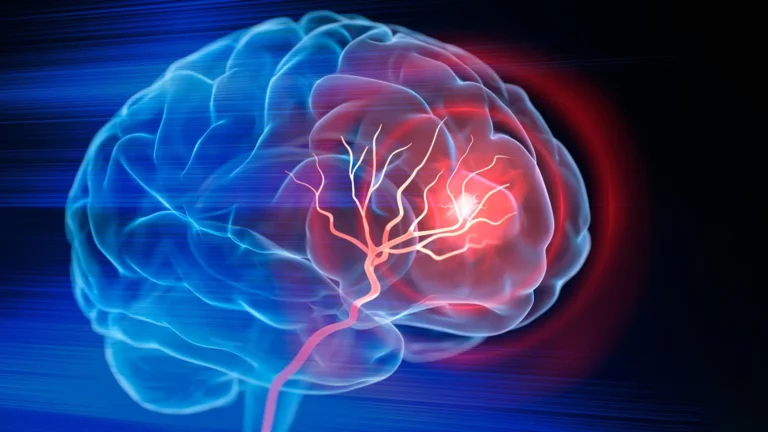












In an era defined by rapid technological advancement, economic volatility, and a constant influx of digital information, the human body is being pushed to its physiological limits. What was once a survival mechanism—the "fight-or-flight" response—has, for millions, become a permanent state of being. Stress, while a universal human experience, has evolved from a temporary reaction to external threats into a chronic, systemic crisis that undermines emotional, mental, and physical well-being.
As the Depression and Bipolar Support Alliance (DBSA) and other leading health organizations have noted, the transition from acute stress to chronic distress is often subtle, yet its consequences are devastating. Understanding the mechanics of stress, its multifaceted symptoms, and the pathways to management is no longer just a matter of personal "wellness"; it is a public health imperative.
Main Facts: The Biological Architecture of Stress
At its core, stress is a physiological response managed by the nervous system. When the brain perceives a threat, the hypothalamus—a tiny region at the base of the brain—sets off an alarm system. This system prompts the adrenal glands, located atop the kidneys, to release a surge of hormones, most notably adrenaline and cortisol.
The Immediate Physical Manifestation
The immediate impact of this hormonal surge is often felt as a "shaky" or dizzy sensation. Adrenaline increases the heart rate and elevates blood pressure to boost energy supplies. This can leave individuals feeling off-balance or jittery, as the body prepares for a physical exertion that, in the modern world, rarely comes.
Furthermore, the rise in blood pressure often leads to secondary physical symptoms, such as feeling uncomfortably hot or experiencing excessive sweating. While these reactions are helpful when escaping a predator, chronic elevation of blood pressure places an immense strain on the cardiovascular system. Over time, this can lead to abnormal heart rhythms (arrhythmias) and chronic chest pain, significantly increasing the risk of heart disease and stroke.
Metabolic and Immune Disruptions
The role of cortisol is equally profound. It increases sugars (glucose) in the bloodstream, enhances the brain’s use of glucose, and increases the availability of substances that repair tissues. However, cortisol also curbs functions that would be nonessential or harmful in a fight-or-flight situation. It alters immune system responses and suppresses the digestive system and the reproductive system.
When stress becomes chronic, the body remains in this altered state. High blood sugar levels can lead to metabolic disorders, while the constant suppression of the immune system makes the individual more susceptible to infections and slows the healing process. Digestive issues, such as diarrhea and stomach upset, are common side effects of the body prioritizing "survival" over "digestion."
Chronology: From Survival Mechanism to Modern Malaise
To understand why stress has become so pervasive, one must look at the evolution of the human environment compared to our biological hardware.
The Ancestral Context
For the vast majority of human history, stressors were acute and physical. A predator, a rival tribe, or a sudden natural disaster triggered a massive burst of energy. Once the threat was neutralized or escaped, the body’s parasympathetic nervous system would take over, initiating a "rest and digest" phase that allowed for recovery.
The Industrial and Information Revolutions
With the advent of the Industrial Revolution, the nature of stress began to shift toward repetitive labor and urban overcrowding. However, it was the Information Age that truly revolutionized the stress landscape. The 21st century introduced the concept of "always-on" connectivity. The threat was no longer a predator but a looming deadline, a fluctuating stock market, or a social media notification.
The 2020 Pivot
The COVID-19 pandemic served as a global catalyst, accelerating the stress crisis. According to the World Health Organization (WHO), the first year of the pandemic saw a 25% increase in the global prevalence of anxiety and depression. This period marked a shift where collective, societal stress merged with individual, domestic stress, creating a "perfect storm" of chronic cortisol exposure for the global population.
Supporting Data: The Quantitative Cost of Stress
The impact of stress is not merely anecdotal; it is reflected in staggering statistics provided by health institutes and economic researchers.
Mental Health Prevalence
The National Institute of Mental Health (NIMH) identifies anxiety disorders and depression as the most common mental health disabilities exacerbated by chronic stress. In the United States alone, an estimated 19.1% of adults have an anxiety disorder in any given year. The cumulative effects of stress on the brain can lead to irritability, anger, and a pervasive sense of guilt, fundamentally altering an individual’s outlook on life.
Sleep and Productivity
Stress is a primary driver of insomnia. The inability to "switch off" the brain leads to poor sleep quality, which in turn causes daytime sleepiness and cognitive impairment. The American Psychological Association (APA) reports that stress-related work absences and loss of productivity cost the global economy approximately $1 trillion annually.
Substance Misuse and Coping Mechanisms
A critical and often overlooked data point is the link between chronic stress and substance misuse. The DBSA highlights that individuals experiencing high levels of stress are significantly more likely to smoke cigarettes and misuse drugs or alcohol. These substances are often used as "maladaptive coping mechanisms"—temporary fixes that provide immediate relief but cause long-term physiological damage, creating a cycle of dependency and further stress.
Official Responses: Institutional Frameworks for Management
Recognizing the severity of the situation, health organizations have moved toward holistic and systemic responses rather than merely treating symptoms.
The DBSA Wellness Wheel
The Depression and Bipolar Support Alliance (DBSA) has championed the "Wellness Wheel" as a primary tool for stress management. This holistic approach recognizes that wellness is not just the absence of disease but the balance of multiple life dimensions:
- Physical: Managing sleep and nutrition.
- Social: Building supportive networks.
- Financial: Addressing the stress of economic instability.
- Intellectual/Emotional: Developing cognitive tools to process stressors.
Clinical Intervention
Medical professionals are increasingly being trained to recognize the physical symptoms of stress—such as tension headaches and gastrointestinal distress—as potential indicators of underlying mental health struggles. The official medical response now emphasizes early screening and the integration of mental health care into primary physical examinations. Doctors are encouraged to discuss stress management as a preventative measure for cardiovascular and metabolic health.
Public Policy and Workplace Wellness
Governments and corporations are also beginning to respond. In several European countries, "the right to disconnect" laws have been implemented to prevent work-related stress from bleeding into personal time. Large corporations are increasingly investing in "Workplace Wellness Programs," acknowledging that a stressed workforce is an inefficient and costly one.
Implications: The Future of Stress and Society
The long-term implications of untreated chronic stress suggest a looming crisis for aging populations. If the current trends continue, we may see a significant rise in stress-linked chronic diseases, including Type 2 diabetes, hypertension, and neurodegenerative disorders.
The Shift Toward Resilience
The future of stress management lies in the concept of "resilience"—not just the ability to endure stress, but the ability to recover from it. This requires a societal shift in how we value rest. In a culture that often equates "busy-ness" with "worth," the act of stress management is a radical reclaiming of health.
The Role of Technology
While technology has been a primary stressor, it also offers potential solutions. From wearable devices that track heart-rate variability (a key indicator of stress) to tele-health platforms that provide instant access to therapy, the tools for management are becoming more accessible. However, the efficacy of these tools depends on the individual’s willingness to prioritize their well-being.
Conclusion
Chronic stress is a multifaceted enemy. It attacks the heart, the immune system, and the mind. It drives people toward harmful substances and robs them of the ability to enjoy life. Yet, as the DBSA and other experts emphasize, it is manageable. By recognizing the signs—the jitteriness, the headaches, the irritability—and utilizing tools like the Wellness Wheel, individuals can take proactive steps.
The message from the medical and psychological community is clear: Managing stress is not a luxury; it is a fundamental requirement for survival in the modern world. If stress is interfering with your daily life, the first and most important step is to speak with a healthcare professional. Understanding the causes is the first step toward reclaiming a life of balance and health.