





The euphoria of a high-intensity workout is a universal experience for fitness enthusiasts, yet it is almost invariably followed by the "delayed onset" reality: muscle soreness, fatigue, and the physical stiffness that turns mundane activities into Herculean efforts. As recreational gym-goers increasingly emulate the recovery protocols of elite athletes—driven by viral social media trends and the professionalization of sport—a massive industry has emerged to promise faster healing and peak performance. However, beneath the marketing gloss of ice baths, high-tech garments, and specialized supplements lies a complex, often contradictory scientific landscape.
The Evolution of Recovery: From Elite Privilege to Mainstream Trend
For decades, recovery techniques were the closely guarded secrets of professional sports teams and Olympic athletes. Today, however, the democratization of sports science via platforms like Instagram and TikTok has brought these methods to the general public. From the suburban gym-goer sporting compression tights to the weekend warrior investing in home ice-plunge tubs, the pursuit of recovery has become a cultural phenomenon.
The primary driver of this shift is the desire to bypass the natural discomfort of training. Consumers are bombarded with promises of reduced inflammation, accelerated muscle repair, and a competitive edge that allows for more frequent, higher-intensity sessions. But as the industry booms, researchers are urging a more critical look at the underlying physiology. Is the "recovery industry" actually enhancing our physical capacity, or are we simply paying for a placebo effect?
Ice Baths: The Paradox of Cold Therapy
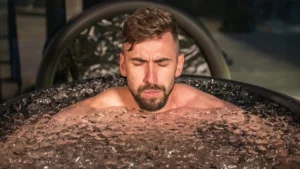
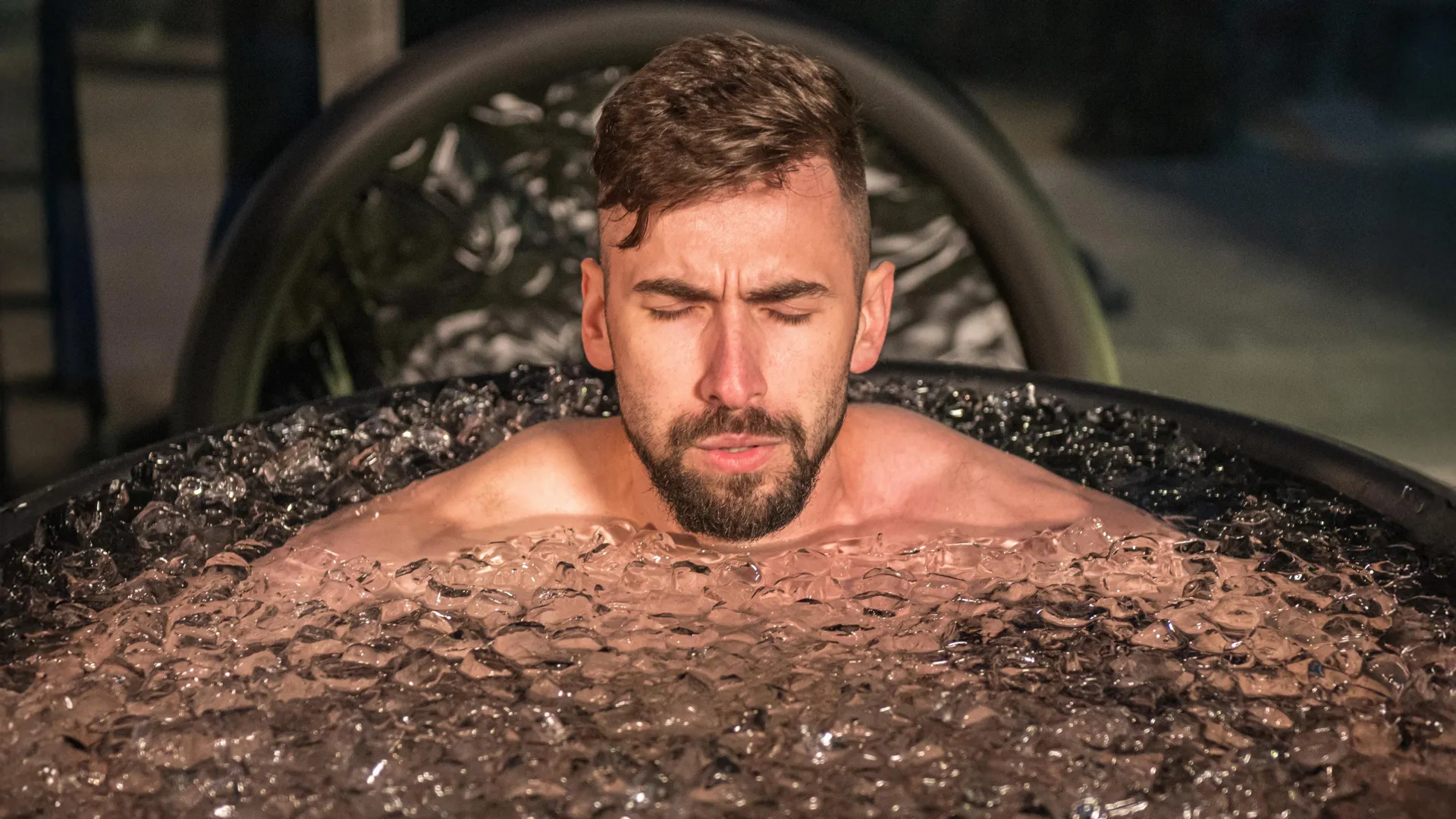
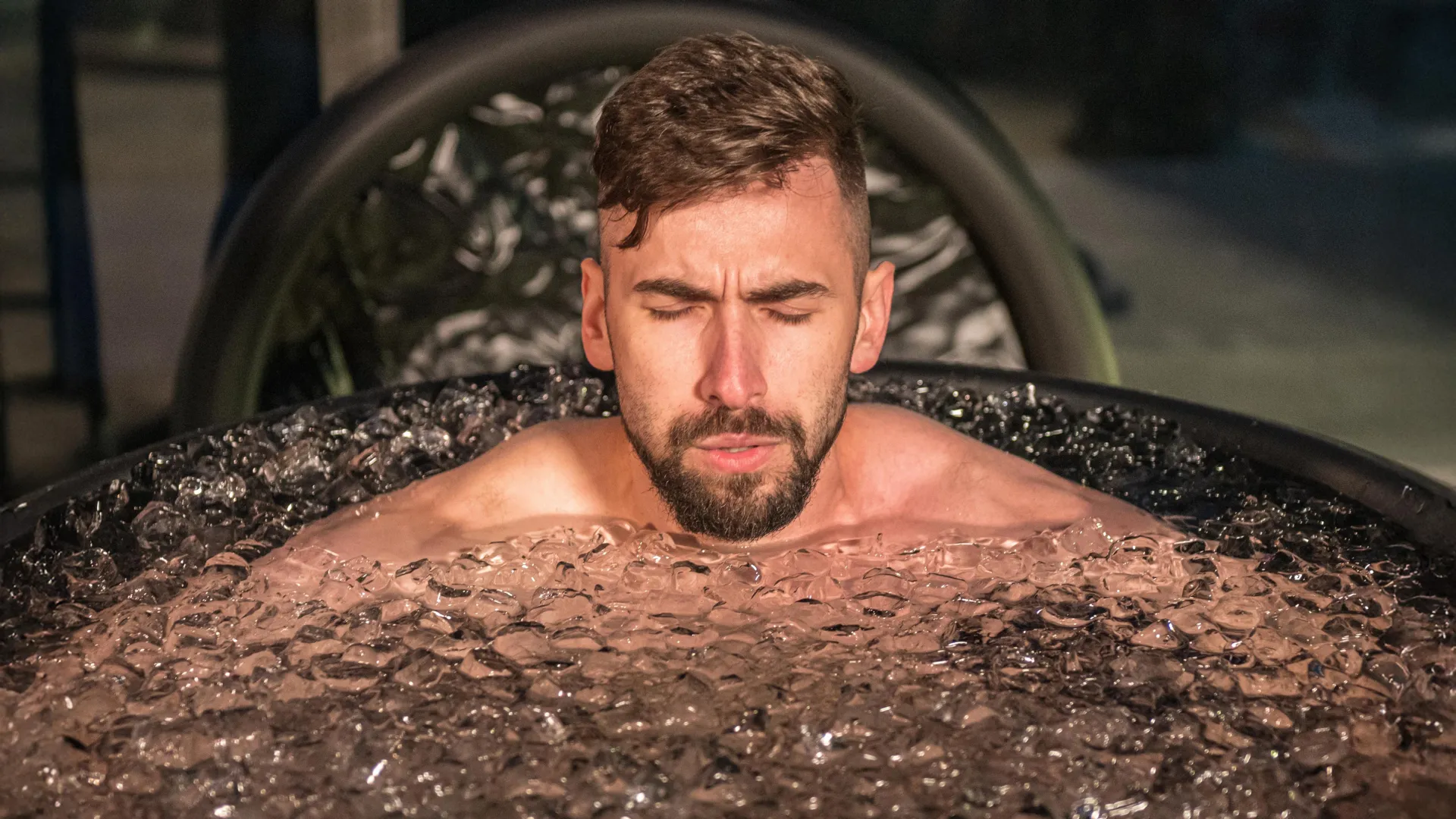
Perhaps no recovery intervention has captured the public imagination as thoroughly as cold-water immersion. The practice involves submerging the body in water below 15°C, a process intended to shock the system into a recovery state.
The Mechanism and the Trade-off
The physiological appeal of the ice bath is clear: the cold constricts blood vessels, which can effectively dampen inflammation and swelling. Research confirms that this can indeed reduce the subjective feeling of muscle soreness and may improve muscle function within a 24-hour window. For a professional athlete competing in a tournament with games on consecutive days, this is a vital tool.
However, there is a significant biological "catch." Inflammation is not merely a byproduct of training; it is a vital signal. The minor damage caused by exercise triggers a cascade of biological responses that lead to adaptation—specifically, the building of muscle tissue and increased strength. By aggressively suppressing this inflammatory response through regular ice baths, athletes may inadvertently be blunting their own long-term gains. Consequently, experts suggest that cold therapy should be reserved for periods where immediate recovery is critical, rather than as a daily post-workout ritual.
Compression Garments: Physiological Aid or Psychological Comfort?
Compression wear is a staple of the modern fitness wardrobe, marketed as a tool to enhance circulation and facilitate "faster" recovery. The logic suggests that external pressure supports venous return, theoretically flushing out metabolic waste products and reducing post-exercise swelling.
Testing the Evidence
While the sensation of wearing compression garments is often perceived as soothing, scientific consensus regarding their ability to restore actual muscle function is lukewarm. A landmark 2022 study utilized a clever design to differentiate between physiological impact and psychological perception. By comparing compression wear to a "sham" placebo, researchers found that while compression did objectively improve blood flow, it did not lead to a meaningful, functional restoration of muscle power.
The implication is significant: compression garments may indeed make you feel better, but they likely aren’t "fixing" the muscles in a measurable way. They represent a classic case where comfort is mistaken for clinical recovery.
Massage: The Gold Standard of Perceived Wellness
Massage therapy remains one of the few interventions with consistent scientific backing for improving "perceived recovery." Unlike gadgets that promise to fix muscle fibers, massage excels at reducing stiffness, improving local circulation, and—most importantly—inducing relaxation.
The Limitations of Touch
While athletes frequently report feeling "less sore" and more prepared for training after a massage, objective data on performance restoration remains inconsistent. Massage is undeniably excellent for the mind and the nervous system, which in itself is a component of recovery. However, it should be viewed as a tool for stress management and comfort rather than a biological shortcut to muscle repair.
The Supplement Market: Separating Hype from Biochemistry
The sports nutrition industry is a multi-billion dollar juggernaut, offering a bewildering array of powders, pills, and tonics. Yet, the science behind these products ranges from rock-solid to pure fiction.
Whey Protein: The Building Block
Whey protein is arguably the most well-supported supplement on the market. As a complete protein source rich in essential amino acids, it directly fuels muscle protein synthesis. While it is highly effective for growth, its ability to alleviate muscle soreness is less clear, with studies showing mixed results.
The BCAA Fallacy
Branch Chain Amino Acids (BCAAs)—leucine, isoleucine, and valine—are staples in many gym bags. The marketing suggests that they "turn on" protein synthesis. However, scientific literature suggests they are significantly less effective than complete protein sources. Because muscle repair requires all essential amino acids, consuming BCAAs in isolation is like trying to build a house with only one type of brick. Whole food sources such as beef, chicken, salmon, or tofu provide the full spectrum of amino acids required for comprehensive recovery.
Emerging Trends: Tart Cherry and Omega-3s
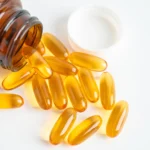
Tart cherry juice has emerged as a promising supplement due to its high concentration of polyphenols, which possess antioxidant properties. Emerging evidence suggests it may assist in reducing muscle damage and restoring power after strenuous exercise. Similarly, Omega-3 fatty acids are frequently touted for anti-inflammatory benefits. While they may offer modest help, the results are inconsistent.
Crucially, nutritionists emphasize that these nutrients are best obtained from a balanced diet. Whole foods offer a synergy of micronutrients that isolated supplements simply cannot replicate, often providing more bang for the buck while supporting overall health.
Chronology of Recovery: A Strategic Approach
If the goal is to optimize recovery, the science suggests a move away from "quick fixes" and toward a strategic, phased approach:
- Immediate Post-Exercise (0–2 hours): Prioritize hydration and a high-quality, whole-food protein source to initiate muscle protein synthesis.
- Short-Term (2–24 hours): Focus on active recovery—light movement, such as walking or mobility work, which encourages blood flow without the inflammation-suppressing drawbacks of ice baths.
- Intermediate (24–48 hours): Incorporate restorative practices like massage or sleep-focused hygiene. If inflammation is high, avoid aggressive training rather than trying to "mask" the damage with supplements.
- Long-Term: The most effective recovery tools remain consistent sleep (7–9 hours), adequate caloric intake, and periodized training cycles that allow for rest days.
Official Responses and Scientific Implications
Leading sports medicine organizations, including the American College of Sports Medicine (ACSM), have consistently pivoted toward "lifestyle-first" recovery models. The consensus among researchers is that the body is highly efficient at self-repair. The primary threat to recovery is not a lack of expensive technology, but rather the failure to adhere to the "pillars of health."
The implication of current research is clear: Recovery cannot be bottled. The industry thrives by commodifying the impatience of the modern athlete. By seeking a shortcut, we often bypass the very biological processes that make us stronger.
Conclusion: The Basics Remain Unbeatable
As we navigate the world of recovery technology, it is essential to keep a grounded perspective. While ice baths, compression gear, and targeted supplements have their place—particularly for elite athletes facing grueling schedules—they are secondary to the foundation of human performance.
True recovery is achieved through the quiet, unglamorous work of sleep, consistent nutrition, and intelligent training design. For the average fitness enthusiast, the most "advanced" recovery tool remains the one that costs nothing: the time allowed for the body to do exactly what it was designed to do—adapt, repair, and grow. Before spending hundreds of dollars on the latest recovery trends, ask if the basics—sleep, protein, and rest—are truly optimized. In most cases, they are not.