









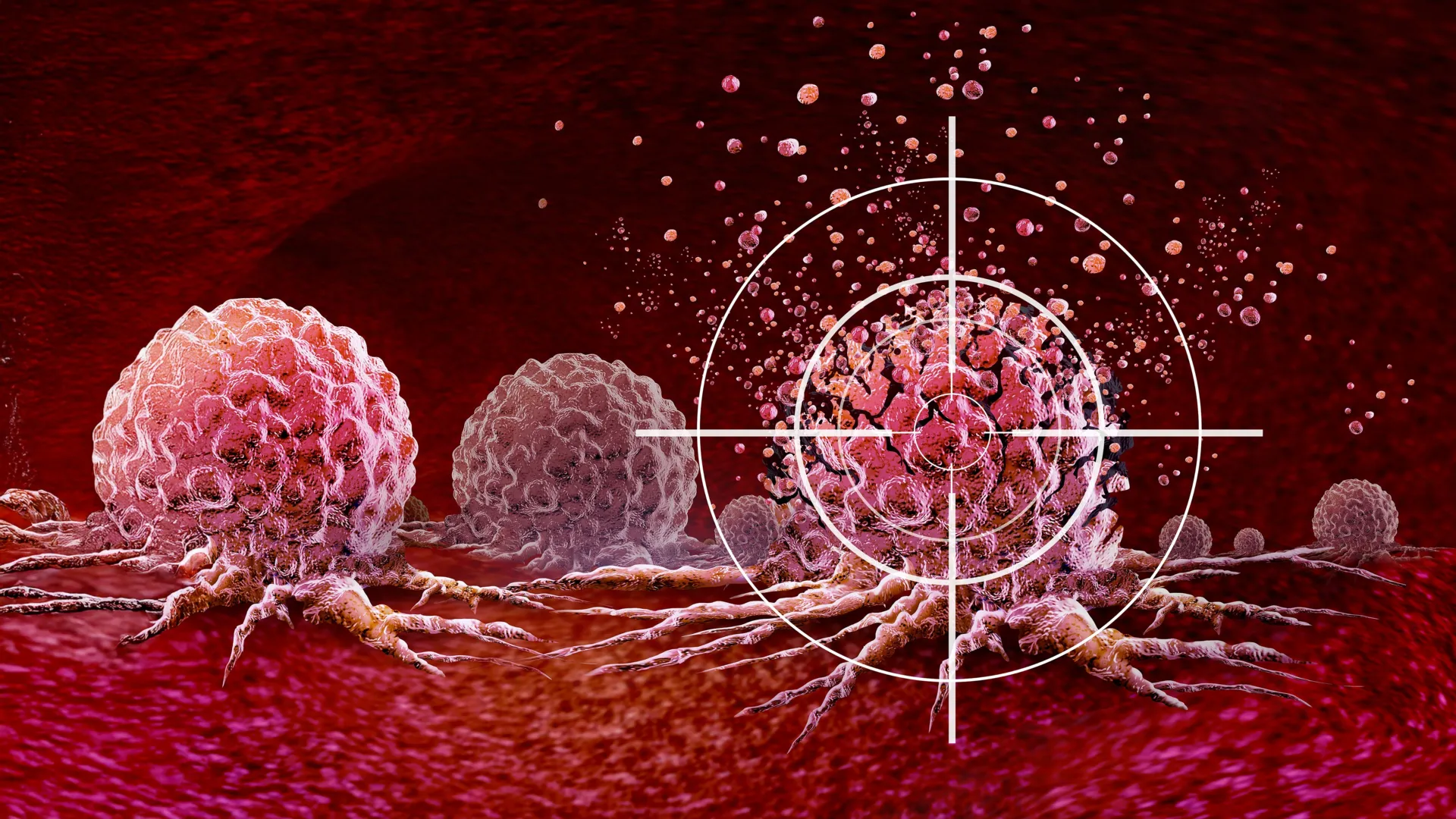
In the relentless battle against glioblastoma—the most aggressive and lethal form of brain cancer—a team of researchers at the University of Virginia (UVA) Comprehensive Cancer Center has unveiled a sophisticated, multi-pronged experimental strategy. By marrying the precision of focused ultrasound with the versatility of genetic engineering, the team has developed a method to breach the brain’s most formidable natural defense: the blood-brain barrier. This innovation offers a glimmer of hope for thousands of patients who currently face a disease with few effective options and a bleak prognosis.
The Core Challenge: Why Glioblastoma Remains Untreatable
Glioblastoma multiforme (GBM) is a diagnosis that carries profound weight. As the most common primary malignant brain tumor in adults, it is characterized by its aggressive nature and its insidious ability to infiltrate healthy brain tissue. Because these cancer cells weave themselves into the fabric of the brain, complete surgical resection—the standard first-line treatment—is rarely possible. The microscopic tendrils left behind almost inevitably lead to recurrence.
Beyond its invasiveness, the tumor is protected by the blood-brain barrier (BBB). This highly selective semipermeable border of cells prevents circulating blood from freely entering the central nervous system, shielding the brain from pathogens and toxins. While this is essential for human health, it presents a catastrophic hurdle for oncologists. Most conventional chemotherapy drugs are too large or chemically unsuitable to cross this barrier, meaning that even if a systemic treatment exists, it often fails to reach the tumor in sufficient concentrations.
Current standards of care—surgery followed by radiation and chemotherapy—have remained largely stagnant for decades, offering only modest extensions to survival. The UVA research team, led by Dr. Roger Abounader, sought to shatter this status quo by bypassing the limitations of traditional pharmaceuticals entirely.
A New Genetic Strategy: Harnessing MicroRNAs
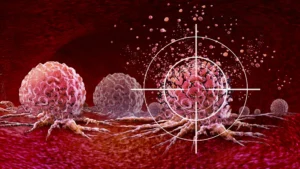
Instead of relying on single-target drugs, which often result in "drug resistance" as cancer cells evolve, the UVA team utilized microRNAs (miRNAs). These tiny, naturally occurring genetic molecules act as master regulators within a cell. By introducing specific microRNAs into the tumor environment, the researchers can simultaneously suppress a network of genes that fuel the glioblastoma’s growth, survival, and resistance to therapy.
"This new approach could help target numerous molecules that promote cancer growth—including those for which no drugs currently exist—at the same time to achieve better therapies," explains Dr. Abounader, a professor in UVA’s School of Medicine. By silencing multiple "drivers" of cancer simultaneously, this method effectively cripples the tumor’s ability to adapt.
The Technological Bridge: Ultrasound and Nanoparticles
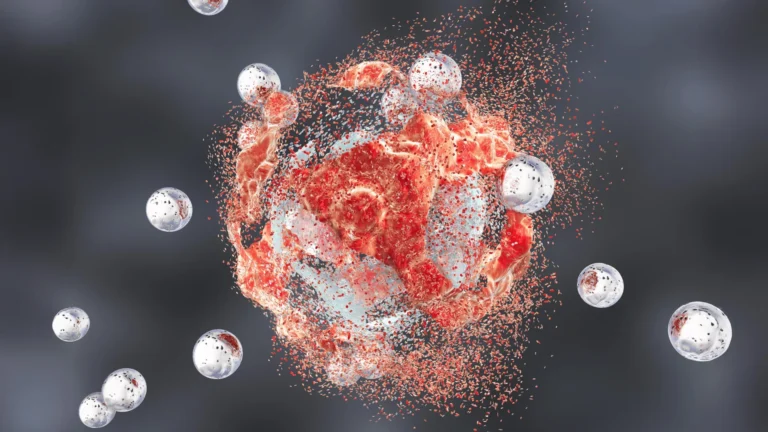
The most ingenious component of the study, published in the Journal of Clinical Investigation (JCI), is the delivery mechanism. To get these large, fragile genetic molecules across the BBB, the researchers engineered specialized nanoparticles. These nanoparticles serve as the "cargo ships" for the microRNAs.
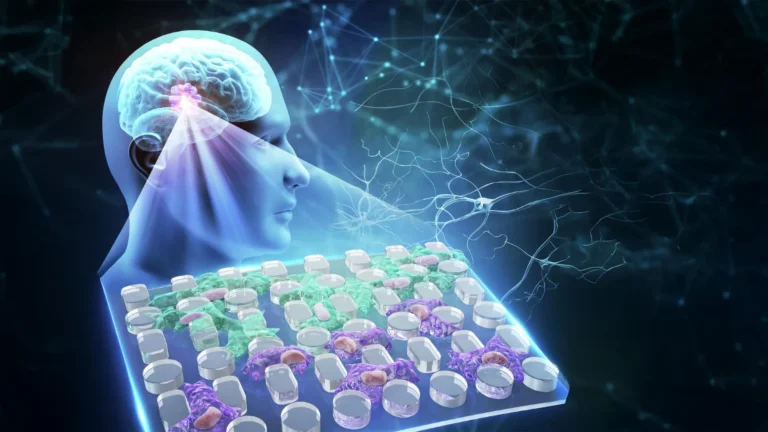
To ensure the cargo reaches its destination, the team utilized focused ultrasound (FUS) guided by real-time magnetic resonance imaging (MRI). The procedure involves:
- Targeting: MRI-guided FUS focuses acoustic energy precisely on the tumor site.
- Microbubble Activation: Tiny, harmless microscopic bubbles are injected into the bloodstream. When these bubbles encounter the sound waves from the ultrasound, they vibrate and oscillate.
- Barrier Permeability: This vibration creates a temporary, localized opening in the blood-brain barrier, allowing the microRNA-carrying nanoparticles to slip through and infiltrate the tumor cells.
Once inside the tumor, the nanoparticles release the genetic material, which then interferes with the tumor’s internal machinery, essentially forcing the cancer cells to slow their growth or undergo programmed cell death.
Chronology of the Discovery
The journey to this breakthrough has been years in the making, reflecting the collaborative and long-term nature of modern oncology research:
- Foundational Research: The project began with the identification of specific microRNA candidates capable of disrupting glioblastoma signaling pathways.
- Nanoparticle Engineering: Chemists and biologists collaborated to develop stable nanoparticle carriers that could protect the genetic material from degradation while traveling through the bloodstream.
- Animal Model Testing: The team conducted rigorous preclinical trials using animal models of glioblastoma. The results were statistically significant: subjects treated with the combined FUS and microRNA strategy showed a marked decrease in tumor progression and a notable increase in survival rates compared to control groups.
- JCI Publication: Following successful validation, the study was published in the Journal of Clinical Investigation, subjecting the methodology to rigorous peer review and providing an open-access roadmap for other researchers in the field.
- Moving Toward Translation: The team is now pivoting toward the complex regulatory and logistical requirements necessary to transition from laboratory success to human clinical trials.
Official Responses and Institutional Vision
The success of this study is a cornerstone of a broader movement at UVA Health to revolutionize neuro-oncology. Dr. Abounader emphasizes that this is not merely a single-treatment discovery but a platform for the future. "We are hoping to translate our findings into future clinical trials for patients with glioblastoma and other brain tumors," he stated.
UVA’s commitment to this field is solidified by its partnership with the Focused Ultrasound Foundation. Together, they established the Focused Ultrasound Immuno-Oncology (FUSION) Center—the world’s first research hub dedicated specifically to exploring how focused ultrasound can enhance cancer immunotherapy. This interdisciplinary approach combines the physical disruption of the BBB with the biological power of the immune system.
Furthermore, the work is supported by the Paul and Diane Manning Institute of Biotechnology, a state-of-the-art facility designed to accelerate the development of new medicines from bench to bedside. The institute’s integration with a statewide clinical trials network ensures that as these technologies mature, they will be accessible to a diverse patient population.
Supporting Data and Collaborative Effort
The breadth of the study’s impact is evidenced by the massive collaborative effort behind it. The research team included nearly 40 scientists, ranging from geneticists and microbiologists to neurosurgeons and bioengineers. This multidisciplinary team included experts like Alexander L. Klibanov, a pioneer in microbubble technology, and David Schiff, a leader in neuro-oncology.
The financial backing for this research reflects its high priority among federal health agencies. Funding was provided by:
- The National Cancer Institute (NCI): Grants U01 CA220841 and P30 CA044579.
- The National Institute of Neurological Disorders and Stroke (NINDS): Grants R01 NS122222 and R21 NS122136.
- Private Philanthropy: Support from the Schiff Foundation, the Ben and Catherine Ivy Foundation, and the Focused Ultrasound Foundation.
The UVA Comprehensive Cancer Center, one of only 57 NCI-designated "comprehensive" centers in the U.S., provides the clinical environment necessary to eventually move this research into human patients.
Implications for the Future of Oncology
The implications of the UVA study extend far beyond glioblastoma. If focused ultrasound can reliably and safely open the blood-brain barrier to deliver genetic therapies, the potential applications are vast.
- Broadening the Therapeutic Net: Many drugs developed for Alzheimer’s, Parkinson’s, and other neurological disorders have failed because they could not reach the brain. This delivery method could potentially revitalize those abandoned drug candidates.
- Overcoming Resistance: By targeting the regulatory nodes of cancer (microRNAs) rather than just the structural proteins, this method bypasses the primary way tumors become resistant to standard chemotherapy.
- Personalized Medicine: Future iterations of this therapy could involve "designer" microRNAs tailored to the specific genetic mutation profile of an individual patient’s tumor.
While the researchers urge caution—noting that the strategy remains experimental and requires extensive human safety trials—the momentum is undeniable. "We and many others are intensively working to lighten the burden of cancer, and hopefully also completely cure it, but this requires a continued investment in cancer and medical research," Abounader concluded.
As the medical community watches these developments, the work at UVA serves as a powerful reminder of how modern medicine is evolving. By combining the physical sciences—the precision of sound waves—with the fundamental building blocks of life—genetic molecules—scientists are slowly turning the tide against one of the most stubborn diseases known to humanity. The barrier that once kept treatments out is now, quite literally, being opened.