






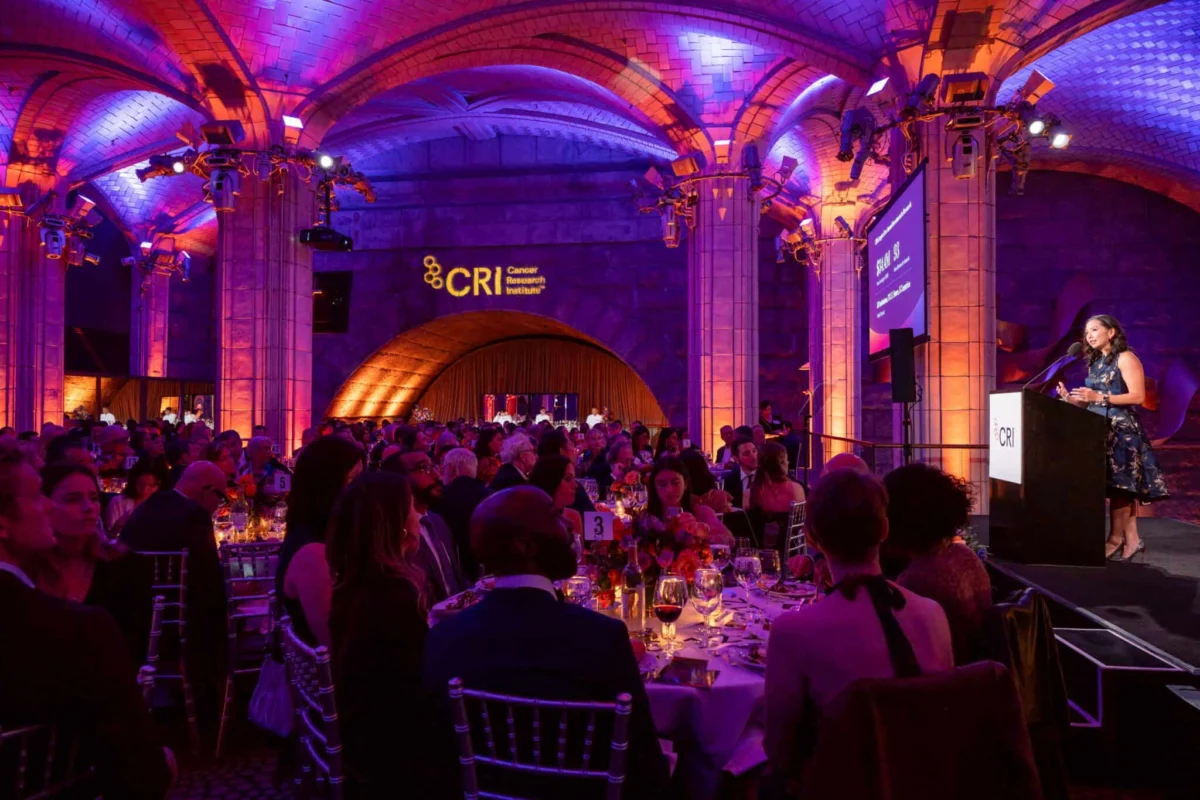
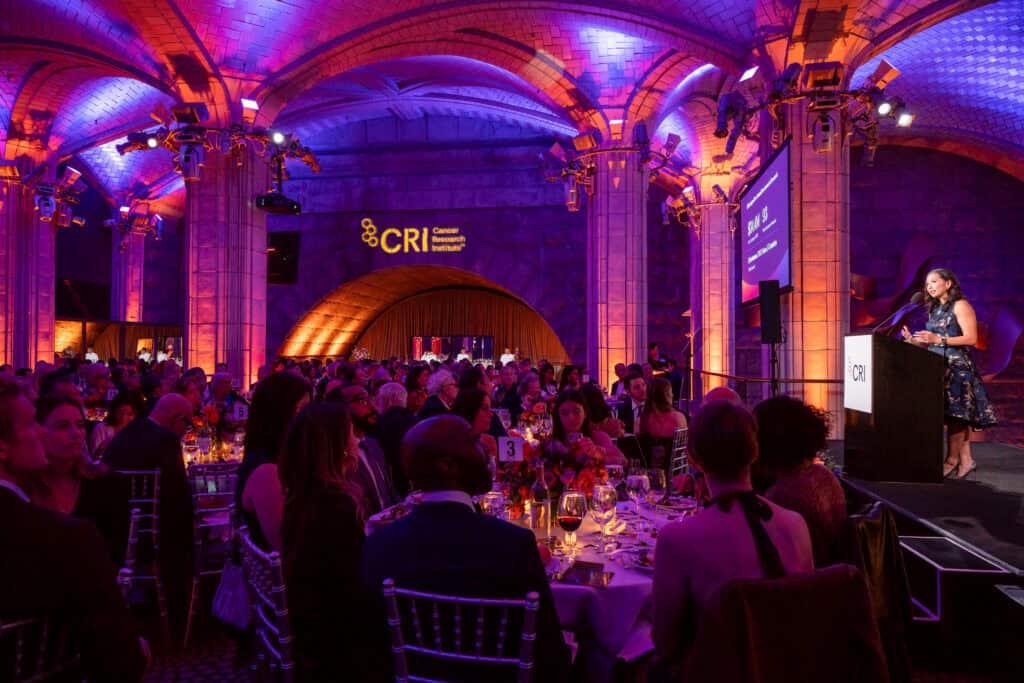
NEW YORK CITY — The journey from a fundamental scientific question in a laboratory to a life-saving infusion at a bedside is rarely a straight line. It is a path paved with decades of rigorous inquiry, philanthropic courage, and the relentless pursuit of the unknown. On Tuesday, October 20, 2026, the Cancer Research Institute (CRI) transformed the historic Guastavino’s in New York City into a hub of optimism and progress for its 2026 Annual Awards Gala.
Under the banner "Next is Now," the event served as both a celebration of scientific milestones and a clarion call for the sustained support required to turn the tide against cancer. With over $1.6 million raised, the gala underscored a singular, unifying truth: the future of cancer immunotherapy depends entirely on the actions taken today.
A Night of Recognition and Reflection
The evening was expertly guided by veteran journalist and breast cancer survivor Athena Jones, whose personal connection to the cause lent a poignant gravity to the proceedings. The gala functioned as a bridge between the clinical, the corporate, and the deeply personal, honoring individuals who have propelled the field of immunotherapy forward through vastly different but equally vital roles.
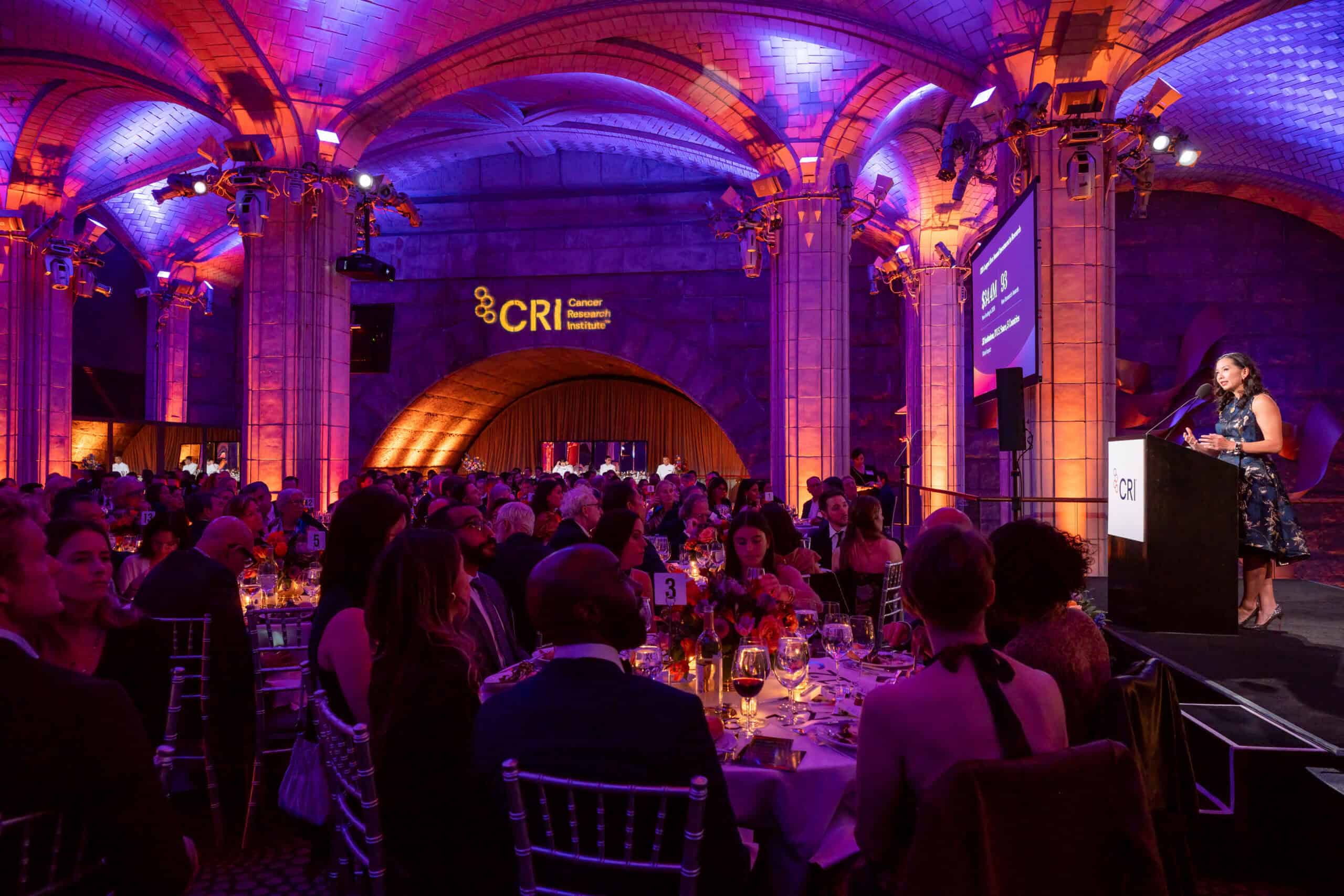
CRI CEO Alicia Zhou, PhD, set the tone for the night in her opening remarks, framing the current landscape of oncology not as a stagnant field, but as a threshold of historic breakthroughs. "The challenge now is to turn promising results into treatments that work reliably for more people," Dr. Zhou noted. "No single laboratory, institution, or discipline can do that alone. An increasingly important part of CRI’s role is to bring scientists together to tackle the questions they can’t answer in isolation."
Chronology of Impact: Honoring the Architects of Change
The program featured the presentation of prestigious awards to visionaries who have redefined the boundaries of medical science and advocacy.
The Oliver R. Grace Award: Reed Jobs
Reed Jobs, founder of the oncology-focused venture firm Yosemite, was honored with the Oliver R. Grace Award for Distinguished Service in Advancing Cancer Research. His selection highlights a shift in how the medical community approaches the "valley of death"—the period between a lab discovery and a clinical trial. By pairing philanthropy with venture capital, Jobs is accelerating the timeline for early-stage university discoveries. "The cures to cancer have not yet been made, and we need to go out and make them," Jobs stated, emphasizing that his firm prioritizes "the most ambitious ideas" to ensure that cancer eventually becomes a nonlethal condition.
The William B. Coley Award: Dr. Eric Vivier
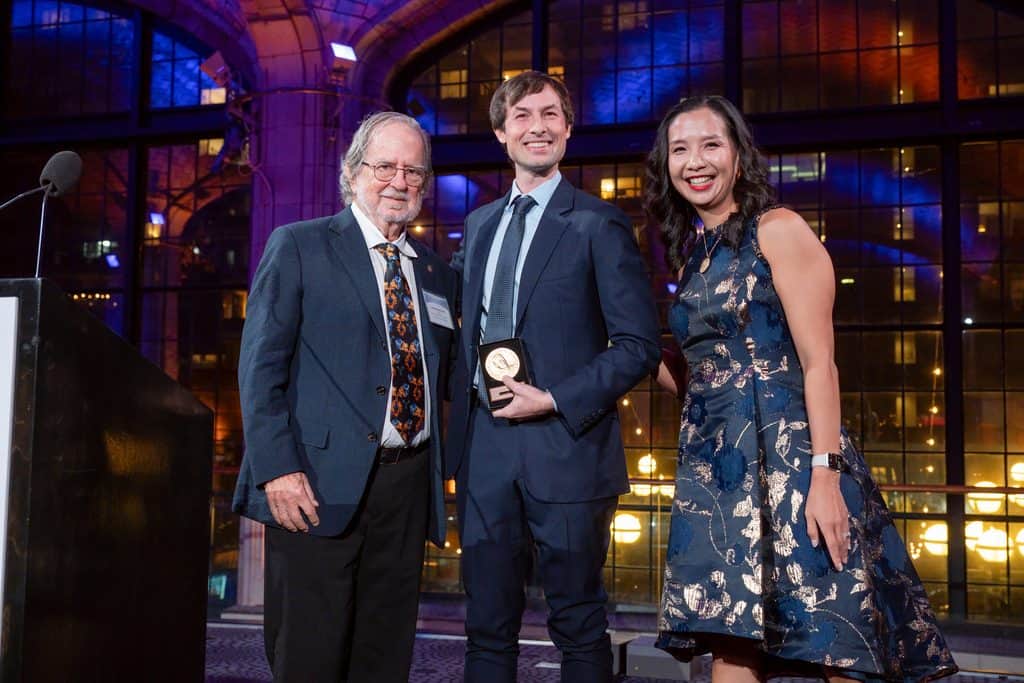
The William B. Coley Award for Distinguished Research in Basic Immunology was bestowed upon Eric Vivier, DVM, PhD, for his groundbreaking contributions to the understanding of natural killer (NK) cells. As a professor at Marseille Medical School and President of the Paris-Saclay Cancer Center, Dr. Vivier has spent his career illuminating the mechanisms of innate immunity. His work has not only expanded the biological canon but has also translated into tangible clinical development through his co-founding of Innate Pharma.
The Frederick W. Alt Award: Dr. Joseph Sun
Joseph Sun, PhD, of Memorial Sloan Kettering Cancer Center, received the Frederick W. Alt Award for New Discoveries in Immunology. Dr. Sun’s career trajectory serves as a testament to the power of long-term investment in young talent. As a former CRI Irvington Postdoctoral Fellow, Dr. Sun challenged the scientific status quo by proving that NK cells—previously thought to be "simple" innate immune cells—can form long-lived memories, a finding that has reshaped our understanding of the immune system’s versatility.
Remembering Adam Shapiro: The Human Cost and the Hope
Beyond the scientific accolades, the gala held space for the personal reality of cancer. The evening included a deeply moving tribute to the late Adam Shapiro, a former CRI board member. His wife offered a candid portrait of a man whose legacy is defined not just by his professional contributions, but by his humor, his devotion to his family, and his determination to fight for more time.

She spoke of the "everyday moments"—the bad singing and the elaborate storytelling—that were preserved thanks to the power of immunotherapy. Her message was clear: while research is a cold, clinical process of data and funding, the end result is the survival of human connection. She urged the attendees to view their contributions as a life-affirming act, stating, "There is so much cause for hope, but cancer still kills far too many, far too soon." Her plea served as a reminder that every dollar donated is a heartbeat extended for a family like the Shapiros.
Supporting the Science Patients are Waiting For
The gala’s theme, "Next is Now," is a direct response to the integration of data science, artificial intelligence, and genomics into the oncology pipeline. These tools are no longer futuristic concepts; they are currently being leveraged to identify new molecular targets and predict patient responses with unprecedented accuracy.
However, the event highlighted a persistent tension: the gap between academic discovery and patient access. The CRI’s mission is to bridge this gap by providing researchers the "freedom to explore new and perhaps even heretical ideas," as Dr. Sun noted during his acceptance speech.
The Data of Survival
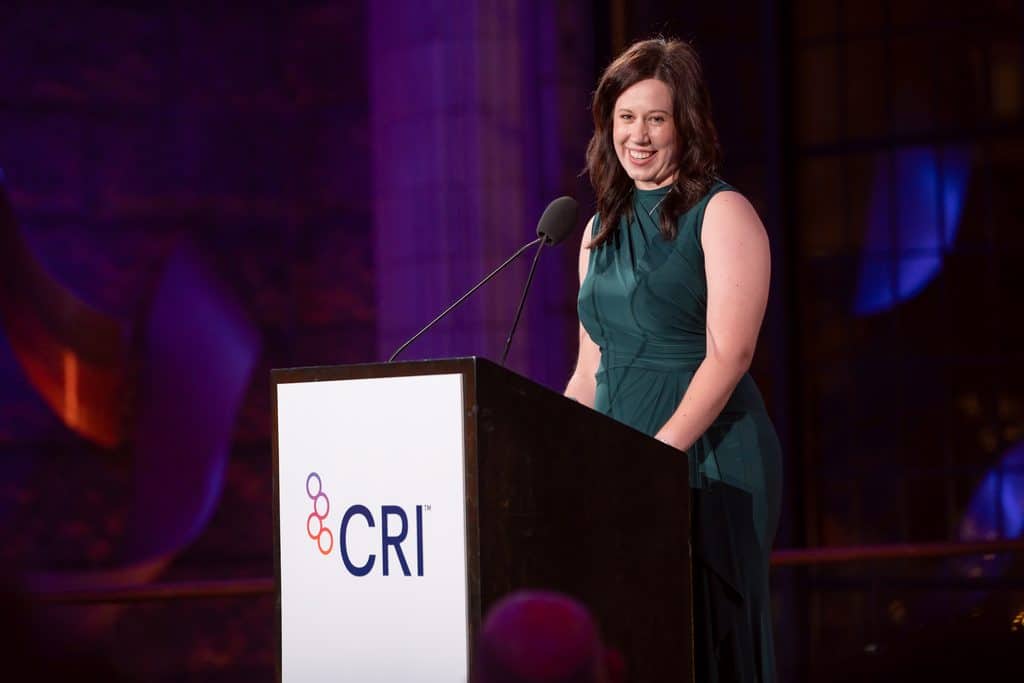
The case of Molly Hones served as the evening’s most powerful proof-of-concept. Diagnosed with a rare liver cancer that had metastasized to her lungs, Hones had resigned herself to the end of her life. Her "moonshot" arrived in the form of a clinical trial at Johns Hopkins, combining a cancer vaccine with checkpoint immunotherapy.
Hones’ story is a harrowing yet triumphant narrative of modern medicine. Despite the sudden, tragic loss of her husband, Grant, while she was undergoing treatment, she continued her participation in the trial. Two years later, she remains in complete remission. Her closing words resonated throughout the hall: "When I joined the trial, I thought I was doing it for the person who would come after me. Now I understand that people before me had already done that for me."
Implications for the Future of Oncology
The 2026 gala established a clear mandate for the coming year. The implications of the night’s discourse are threefold:
- Fundamental Research as the Foundation: As Dr. Vivier reminded the audience, "Basic research is not the nurture; it is a source of innovation and progress." Without sustained, often "blue-sky" funding for basic immunology, the pipeline of future clinical therapies will eventually run dry.
- The Evolution of Funding Models: The recognition of Reed Jobs signals an industry-wide pivot toward hybrid funding models. The traditional separation between non-profit research and commercial venture is blurring, as both sectors realize that collaboration is the fastest route to patient survival.
- The "Next is Now" Imperative: With the rapid advancement of biotechnology, the oncology community is facing a unique moment in history. The barrier to entry for new therapies is lowering, but the complexity of the science is increasing. This requires a new level of interdisciplinary coordination—a task the CRI is positioning itself to lead.
Conclusion: A Legacy in Motion
The 2026 CRI Annual Awards Gala was more than a formal gathering; it was a testament to the power of human endurance and the necessity of scientific inquiry. By bringing together the researchers who ask the questions, the philanthropists who fund the answers, and the patients who embody the results, the Cancer Research Institute has successfully galvanized a community around a single, attainable objective.
As the evening concluded, the sense of momentum was palpable. The work being done today in labs from New York to Paris is not just for the textbooks of tomorrow; it is for the patients like Molly Hones, for the families like the Shapiros, and for the countless individuals who have yet to receive a diagnosis.
"I got my moonshot," Hones concluded. "Let’s make sure the next person gets theirs too." With the support raised and the partnerships forged at Guastavino’s, that promise feels more achievable than ever before. The future of cancer immunotherapy is not a distant goal—it is a process already in motion, and as the CRI has made clear, the next breakthrough is already being written.