






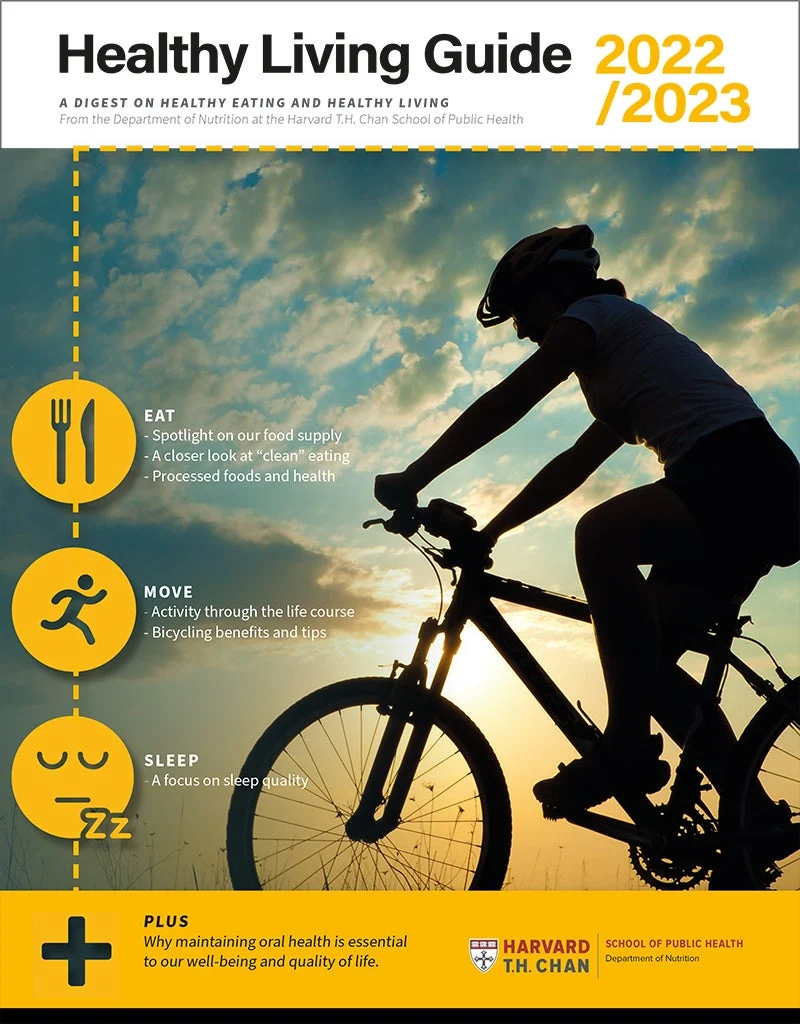
Introduction: The State of Public Health in 2023
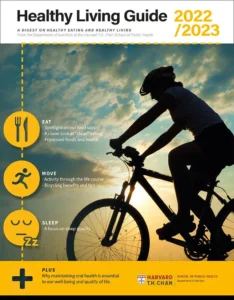
The intersection of food, policy, and public health has never been more contentious or critical than it is today. As we move further into the decade, the global community faces a "triple burden" of malnutrition: the persistence of hunger, the rising tide of obesity, and the hidden hunger of micronutrient deficiencies. In response to these mounting challenges, the Harvard T.H. Chan School of Public Health has released its latest Healthy Living Guide, a resource designed to bridge the gap between complex nutritional science and actionable, daily habits. This release follows a pivotal year for food policy, underscored by the first White House Conference on Hunger, Nutrition, and Health in over 50 years.
Main Facts: The White House Conference and the New National Strategy
In September 2022, the Biden-Harris administration convened the White House Conference on Hunger, Nutrition, and Health, a landmark event aimed at galvanizing a national strategy to end hunger and reduce diet-related diseases by 2030.
The strategy focuses on five fundamental pillars:
- Improving Food Access and Affordability: Expanding the reach of nutrition assistance programs like SNAP and WIC.
- Integrating Nutrition and Health: Incorporating medically tailored meals into Medicare and Medicaid programs.
- Empowering Consumers: Improving food labeling and transparency.
- Supporting Physical Activity: Investing in infrastructure that promotes movement.
- Research and Data: Enhancing the science behind nutrition to better inform future policy.
While the conference was heralded as a historic step forward, experts from the Department of Nutrition at Harvard have highlighted that while the roadmap is ambitious, it remains incomplete. The current strategy serves as a framework, but the execution will require a multi-sectoral commitment that transcends partisan lines and fiscal cycles.
Chronology of a Nutritional Turning Point
To understand the current state of public health policy, one must look at the timeline of events that led to the 2022 policy shift:
- 1969: The first White House Conference on Food, Nutrition, and Health was held, leading to major changes in the U.S. food landscape, including the creation of the WIC program and updates to the school lunch program.
- 2020-2021: The COVID-19 pandemic exposed deep-seated vulnerabilities in the U.S. food supply chain, disproportionately affecting low-income communities and exacerbating food insecurity rates.
- May 2022: The White House announced the upcoming conference, setting the stage for a national reset on food policy.
- September 2022: The White House Conference on Hunger, Nutrition, and Health takes place. The administration releases its formal "National Strategy."
- January 2023: The Harvard T.H. Chan School of Public Health publishes its Healthy Living Guide, intended to translate the high-level goals of the conference into practical advice for individuals and families.
Supporting Data: The Scope of the Crisis
The urgency behind the 2022 conference is backed by sobering data. According to recent health statistics, diet-related conditions—including heart disease, type 2 diabetes, and certain cancers—are the leading causes of death in the United States.
- Food Insecurity: Over 34 million people in the U.S. were food insecure in 2021, a number that remained stubbornly high even as the economy recovered from the initial pandemic shock.
- Economic Impact: The cost of managing diet-related chronic diseases is estimated to be in the hundreds of billions of dollars annually, placing an unsustainable strain on the healthcare system.
- Disparity: Data consistently shows that low-income populations and marginalized communities have significantly higher rates of diet-related illness, often due to a lack of access to affordable, nutrient-dense foods—a phenomenon frequently described as "food deserts" or "food swamps."
Official Responses and Expert Critiques
While the White House’s strategy was largely welcomed, it faced rigorous scrutiny from the academic community. Drs. Frank Hu, Walter Willett, and Lilian Cheung, prominent figures in the Department of Nutrition at Harvard, provided a balanced perspective. They praised the administration for bringing long-overdue attention to the issue but identified critical "policy gaps."
The Omissions
According to Harvard experts, the strategy missed key opportunities to address the structural drivers of poor health:
- Marketing to Children: The strategy lacked concrete regulatory actions to limit the aggressive marketing of ultra-processed, high-sugar, and high-sodium foods to children—a practice that directly shapes lifelong dietary habits.
- Climate Change Integration: The strategy failed to explicitly link the transformation of the food system with the mitigation of climate change. As the experts noted, a truly sustainable food system must prioritize both human health and planetary health.
- Industry Accountability: The experts emphasized that voluntary industry pledges have historically been insufficient. They argue that "to have a significant impact, the administration must bring together the public and private sectors, along with philanthropists, academia, and individuals."
Implications: The Path Toward 2030
The 2030 goal set by the White House is not merely a political target; it is a necessity for the survival of the current healthcare infrastructure. The implications of this policy shift are threefold:
1. Shift Toward "Food as Medicine"
The integration of medically tailored meals (MTMs) into the healthcare system represents a paradigm shift. For too long, the medical community has treated nutrition as a peripheral concern. By treating food as a clinical intervention for patients with chronic illnesses, the government is acknowledging that health starts in the kitchen, not just the pharmacy.
2. Sustainability as a Requirement
The debate is no longer just about "calories in, calories out." It is about the environmental cost of food production. As we move toward 2030, policies will increasingly be evaluated based on their carbon footprint and water usage. The Harvard Healthy Living Guide encourages individuals to adopt plant-forward diets, which are shown to be beneficial for both individual health and the mitigation of environmental degradation.
3. Individual Agency vs. Systemic Change
The guide reinforces a fundamental truth: while individual choices are vital, they cannot occur in a vacuum. A person cannot choose a healthy diet if they live in an environment where healthy food is unaffordable or inaccessible. Therefore, the implications for the next seven years involve a dual track: top-down policy changes (subsidies for fruits and vegetables, improved school lunches) and bottom-up individual advocacy.
A Call to Action: The Healthy Living Guide
The Healthy Living Guide for 2023 serves as a bridge between high-level policy and the dinner table. It provides readers with:
- Actionable Tip Sheets: Clear, evidence-based advice on how to improve diet quality on a budget.
- Knowledge Assessments: Interactive quizzes that help readers track their understanding of nutritional science.
- Community Resources: Links to further research and databases that empower users to stay informed throughout the year.
As Drs. Hu, Willett, and Cheung suggest, "no change is too small." Whether it is replacing refined grains with whole grains, opting for plant-based proteins, or advocating for local school nutrition programs, the aggregate effect of individual actions is powerful.
Conclusion: Looking Ahead
The path to a healthier nation is complex, requiring a synthesis of political will, scientific rigor, and community engagement. The 2022 White House Conference was a necessary start, but the work of 2023 and beyond will be defined by how effectively these strategies are implemented at the state and local levels.
As we look toward 2030, the goal remains clear: to create a food environment where the "healthy choice" is the "easy choice" for every American. By integrating the insights from the Harvard Healthy Living Guide with a sustained demand for policy accountability, we can turn the tide on the current nutrition crisis and foster a generation that is not only healthier but more resilient in the face of global environmental challenges.
For those looking to deepen their engagement, we encourage you to download the full Healthy Living Guide and explore the resources provided by the Harvard T.H. Chan School of Public Health. The journey to better health is a collective effort, and your participation is the first step.