











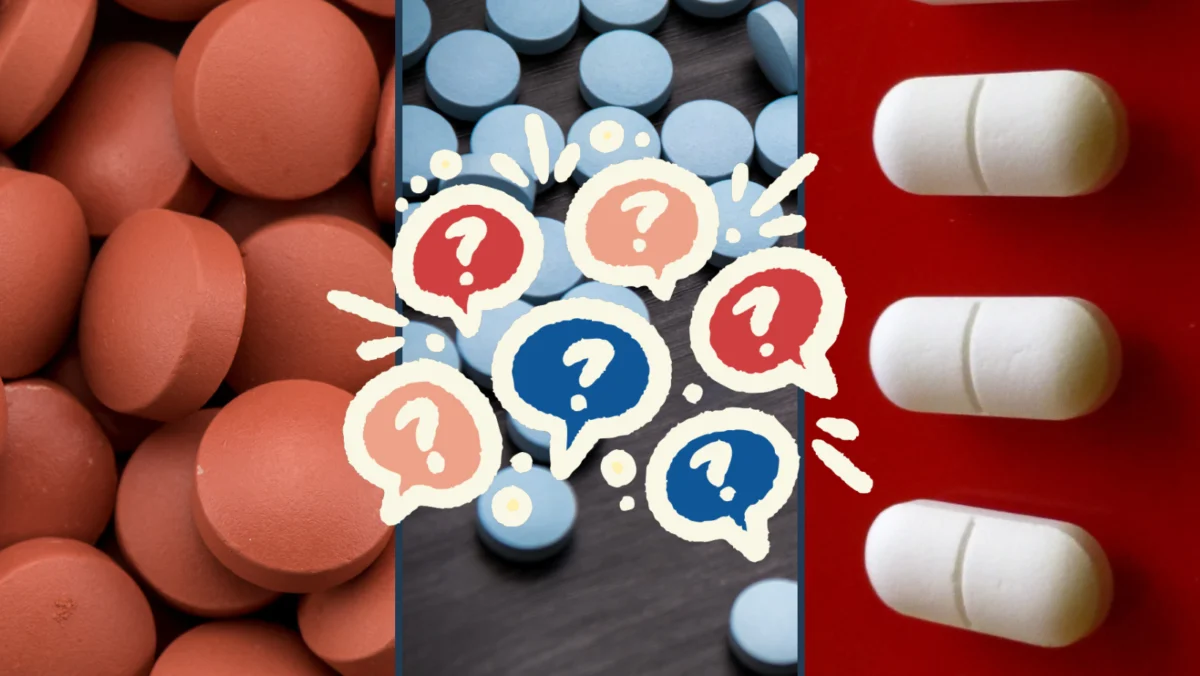
Walking down the analgesic aisle of a modern pharmacy can be an exercise in sensory overload. From the bright, assertive packaging of national brands to the rows of store-brand alternatives, the sheer volume of choices is designed to promise instant relief. Tylenol, Advil, Motrin, Aleve, Excedrin, and Bayer—these names are staples in the American medicine cabinet. Yet, beneath the familiar branding lies a complex pharmacological landscape that many consumers struggle to navigate.
For the millions living with chronic pain, this aisle is not just a place to pick up a quick remedy; it is a source of profound frustration. When a condition is persistent, the trial-and-error approach to over-the-counter (OTC) medication often leads to disappointment. Understanding how to manage pain requires moving beyond marketing claims and delving into the chemical reality of what we ingest.
Main Facts: The Science of Analgesics
The most fundamental divide in the world of OTC pain relief lies between two categories: Acetaminophen and Nonsteroidal Anti-Inflammatory Drugs (NSAIDs). Despite their similar placement on shelves, they operate through entirely different biological pathways.
Acetaminophen: The Fever and Pain Specialist
Acetaminophen (best known by the brand Tylenol) is a staple for managing headaches, muscle aches, and fevers. Its mechanism is primarily central, meaning it works largely within the brain and spinal cord to elevate the body’s pain threshold. Crucially, acetaminophen does not possess significant anti-inflammatory properties. For an injury characterized by deep swelling or localized inflammation, acetaminophen will likely fail to provide the relief the patient expects.
NSAIDs: Targeting the Source of Inflammation
NSAIDs, a class that includes ibuprofen (Advil, Motrin) and naproxen sodium (Aleve), function by inhibiting cyclooxygenase (COX) enzymes, which are responsible for producing prostaglandins—the chemicals that signal pain and inflammation to the body. Because they actively reduce inflammation, NSAIDs are the gold standard for conditions like menstrual cramps, arthritis, and soft-tissue injuries.
The confusion between these two categories is widespread. According to the U.S. Pain Foundation’s 2026 OTC Pain Survey, 16.1% of respondents incorrectly identified acetaminophen as an NSAID. This misunderstanding carries real-world risks, particularly when patients inadvertently double up on medications that interact poorly with their personal health history or other prescriptions.
Chronology: The Evolution of Pain Relief
The journey of pain management has shifted significantly over the last century. In the early 20th century, aspirin was the primary tool for almost all discomfort. However, the discovery of the side effects of aspirin—particularly its impact on the stomach lining and its blood-thinning properties—spurred the pharmaceutical industry to innovate.
- 1950s: Acetaminophen was introduced to the market as a safer alternative to aspirin for those with stomach sensitivity.
- 1960s-1970s: The development and eventual OTC approval of ibuprofen revolutionized the treatment of inflammatory pain.
- 1990s: Naproxen sodium was approved for OTC use, providing a longer-lasting alternative to ibuprofen.
- 2020s: We have entered an era of "specialized delivery," where topical NSAIDs like diclofenac gel have moved from prescription-only to OTC status, offering localized treatment without the systemic side effects of oral medications.
This timeline reflects a broader shift in medicine: from "one pill for all pain" to a nuanced understanding of localized versus systemic relief.
Supporting Data: Why "Longer-Lasting" Isn’t Always Better
A common misconception is that a medication that lasts longer is inherently more powerful. The reality is more nuanced. Ibuprofen is typically dosed every four to six hours, while naproxen sodium is designed to be taken every eight to 12 hours.
However, naproxen sodium generally has a slower "onset of action," meaning it takes longer to reach the peak concentration in the blood required to stifle pain signals. A patient needing immediate relief for an acute tension headache might find ibuprofen more effective, while someone managing a chronic, throbbing backache might prefer the consistency of naproxen.
Furthermore, the data regarding combination products—such as those containing caffeine—presents a double-edged sword. While caffeine can accelerate the absorption of analgesics and enhance their efficacy, it also carries the risk of jitters, increased heart rate, and, paradoxically, "medication-overuse headaches." When patients rely too heavily on these combinations, the body may become dependent on the chemical cycle, leading to a rebound effect that complicates the original pain condition.
Official Responses and Medical Guidelines
Healthcare providers and regulatory bodies like the FDA emphasize that the "Drug Facts" label is not merely a suggestion—it is a critical safety document. The primary concerns regarding OTC usage are dose-dependent toxicities.
The Liver vs. The Gut
- Acetaminophen: The primary risk is hepatotoxicity (liver damage). Because it is processed by the liver, exceeding the maximum daily dose—especially when combined with alcohol or other medications containing acetaminophen—can lead to severe, irreversible damage.
- NSAIDs: The primary risks are gastrointestinal (ulcers, bleeding) and cardiovascular. Because NSAIDs can affect blood pressure and kidney function, they are often contraindicated for patients with high blood pressure, heart disease, or existing kidney issues.
The Pediatric Caution
Children and teenagers represent a vulnerable group. Aspirin, for instance, is largely banned for use in children due to its association with Reye’s syndrome, a rare but fatal condition. Likewise, dosing for infants and children is strictly weight-based, not age-based, making it vital for parents to consult with a pediatrician before administering even "standard" medications.
Implications for Chronic Pain Management
For individuals living with chronic pain, the implications of these facts are clear: The pharmacy aisle should not be a solo mission.
Advocating for Your Care
If you are using OTC medications daily, you are no longer treating an "acute" issue; you are managing a chronic one. This requires a professional assessment. Your healthcare provider needs to know:
- Frequency: How often are you taking the medication?
- Efficacy: Is it actually working, or are you just "getting by"?
- Total Load: Are you taking multiple products that contain the same active ingredients?
The "Know Your OTC" philosophy suggests that patients should treat these medications with the same level of scrutiny as they would a prescription drug. This means checking the label for every ingredient—not just the brand name. For example, many "Tylenol-branded" topical products actually contain lidocaine or camphor, not acetaminophen. Relying on the brand name instead of the ingredient list is a common error that can lead to ineffective treatment or accidental overdosing.
Creating a Management Plan
The goal of using OTC medications should be to provide enough relief to facilitate function—to allow you to sleep, work, or engage in physical therapy. If the medication is not helping you achieve those goals, continuing to take it is not only ineffective but potentially harmful.
The U.S. Pain Foundation recommends that patients prepare a list of their current OTC usage before any doctor’s appointment. By treating these substances as part of a larger medical strategy, patients move from being passive consumers to active participants in their own health.
Conclusion: Knowledge is the First Step
There is no "one-size-fits-all" solution to pain. The way an individual responds to a specific chemical is deeply personal, influenced by genetics, existing health conditions, and the specific nature of their pain.
If you find yourself frequently standing in the pharmacy aisle feeling overwhelmed, remember the three pillars of safe OTC use:
- Know the ingredients: Ignore the marketing and read the "Active Ingredients" box.
- Know the limitations: Understand that no OTC medication is designed for indefinite, long-term use without medical supervision.
- Know your team: Your pharmacist is an underutilized resource. They can compare labels, check for interactions with your other prescriptions, and help you determine if an OTC product is the right tool for your specific pain.
By shifting our focus from brand loyalty to chemical literacy, we can turn the pharmacy aisle from a place of confusion into a place of informed decision-making. Your pain is real, and it deserves more than a "quick fix"—it deserves a thoughtful, evidence-based approach.
Disclaimer: This article is for educational purposes only and does not constitute medical advice. Always consult with a qualified healthcare professional before starting or changing any medication regimen, especially if you are managing a chronic condition.