









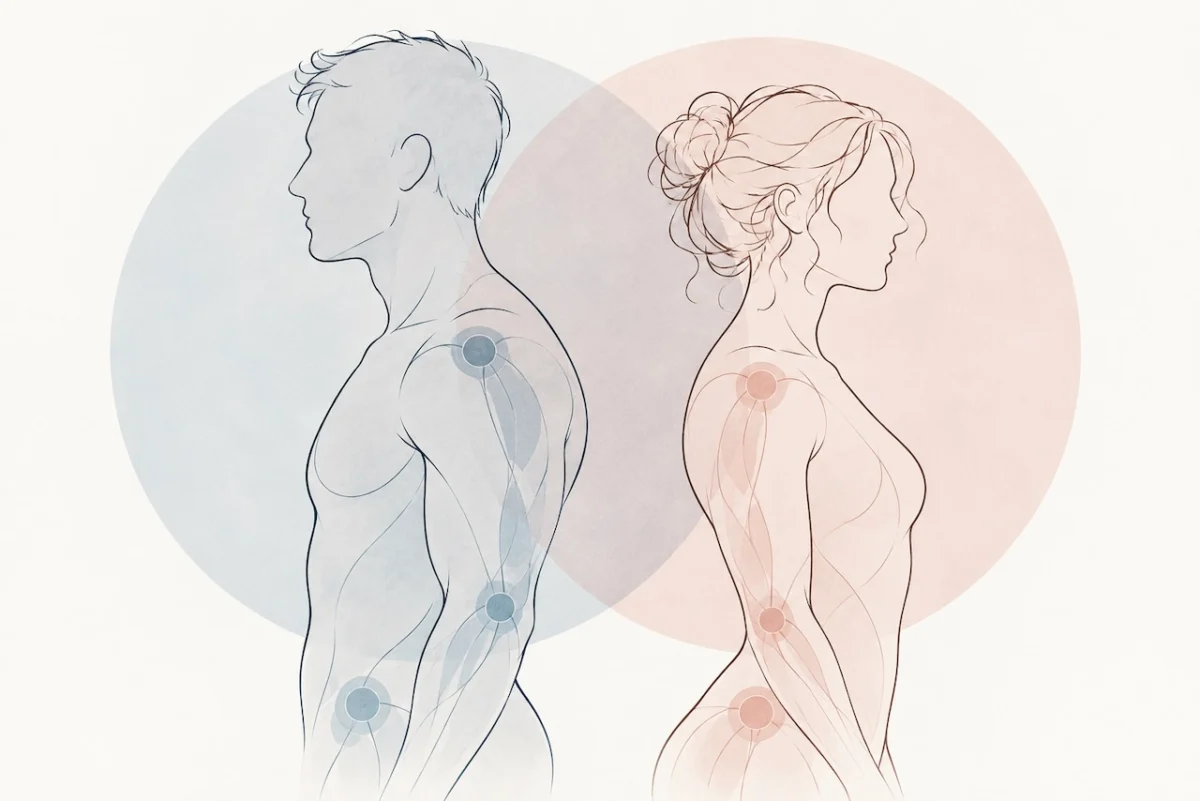
For decades, the clinical landscape of Hypermobile Ehlers-Danlos syndrome (hEDS) and Hypermobility Spectrum Disorders (HSD) has been dominated by a single narrative: these are conditions that primarily affect women. A visit to any support group, specialized clinic, or online forum reinforces this perception, where the patient population is overwhelmingly female. However, a groundbreaking 2026 study from the Mayo Clinic’s EDS Clinic in Florida is challenging this long-held assumption, suggesting that the dramatic gender disparity in diagnosis may be a complex interplay of biological reality and systemic medical bias.
Main Facts: A Disparity in Presentation
The study, which analyzed self-reported health data from 2,451 patients between 2019 and 2025, reveals a stark demographic skew. Among the 635 patients diagnosed with hEDS, women comprised 90.6% of the cohort, while men accounted for only 9.4%—a ratio of nearly 10:1. For those diagnosed with HSD, the disparity was even more pronounced, with a 20:1 female-to-male ratio.
These figures are particularly striking given that hEDS is believed to follow an autosomal dominant inheritance pattern. In a vacuum of perfect medical detection, one would expect a roughly 1:1 sex ratio. The fact that clinical settings show such a massive imbalance suggests that men may not be less affected, but rather less likely to be identified, referred, and diagnosed. The research posits that "disease burden"—the total cumulative impact of symptoms—may be higher in women, leading them to seek specialized care more frequently.
A Chronological Look at the Data
To understand the progression of this research, it is essential to look at the methodology employed by the Mayo Clinic team:
- 2019–2025 (Data Collection Period): Researchers compiled an extensive dataset of 2,451 patients. Each participant completed an exhaustive 122-item intake questionnaire. This instrument covered a vast spectrum of physiological domains, including joint stability, neurology, gastroenterology, sleep architecture, immune function, and psychological health.
- Late 2026 (The Findings): The study emerged as a preprint, offering a granular analysis of how symptoms differ between sexes. While the study has not yet undergone the full rigors of peer review, its scale—the largest of its kind—provides a significant baseline for future investigations into connective tissue disorders.
- The Present Day: The medical community is currently grappling with these results, which serve as a call to action for clinicians to recalibrate their diagnostic criteria to account for male-specific presentations of hypermobility.
Supporting Data: Where the Differences Lie
The study’s most significant contribution is its granular breakdown of symptom clusters. While men and women share many core challenges—such as chronic pain, fatigue, and joint instability—the frequency and manifestation of these symptoms diverge significantly.
Neurological and Gastrointestinal Trends
Women reported symptoms 25.4% more often than men in the hEDS group, and a staggering 48.4% more often in the HSD cohort. Neurological issues, including brain fog, vertigo, and chronic migraines, were consistently higher in women. Conversely, men with hEDS were more likely to report developmental markers such as autism spectrum disorder and ADHD.
The Mast Cell Connection
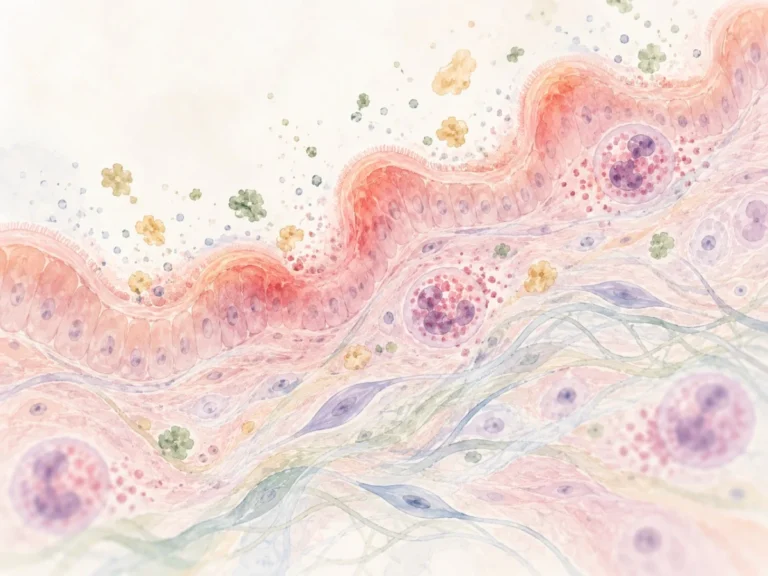
One of the most compelling findings involves mast cell activation. Using a novel "mast cell score" based on 11 categories of allergic and immune-related symptoms, researchers found that women with HSD had significantly higher scores than their male counterparts. Interestingly, this difference was absent in the hEDS group, where mast cell activity appeared more equally distributed. This suggests that in HSD, sex-based immune responses might play a pivotal role in the severity of the patient’s presentation, whereas in hEDS, the underlying genetic drivers may operate independently of sex-based immune fluctuations.
Psychological Impact
The psychological toll of living with a chronic, invisible, and often misunderstood condition is profound. Approximately 60% of both men and women reported anxiety and depression. While women reported higher rates of anxiety in the HSD category, the overall prevalence of mental health struggles remains a universal challenge across the patient population, underscoring the need for integrated, multidisciplinary care.
Official Responses and Clinical Perspectives
The authors of the study—led by researchers at the Mayo Clinic—are careful to note that their findings do not suggest an "absence of suffering" for men. Instead, they argue that men exhibit a different pattern of symptoms.
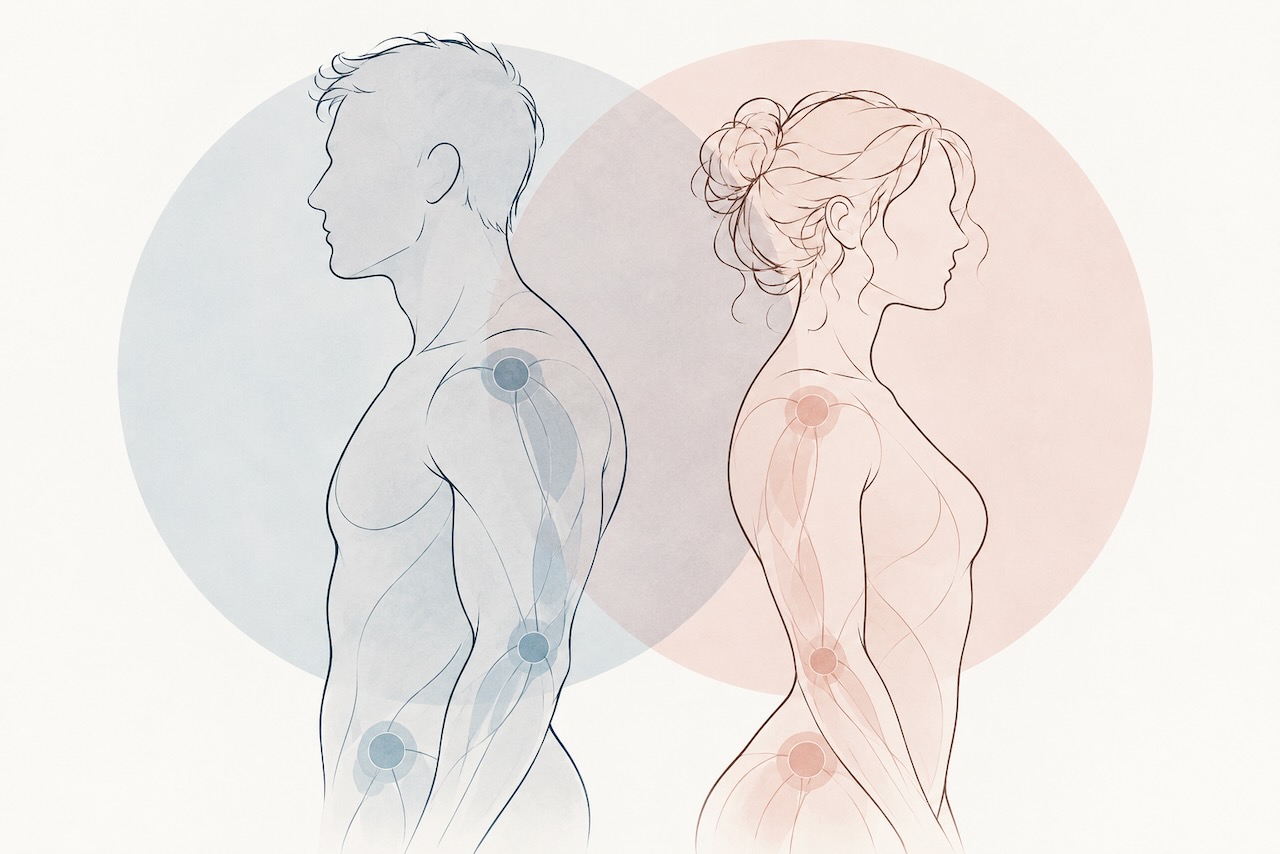
Dr. Jacqueline Moltzau Anderson, a researcher involved in the analysis, emphasizes that the medical community has long operated under a "diagnostic blind spot." By associating hypermobility exclusively with female patients, clinicians may be dismissing male patients who present with "atypical" symptoms. For example, a man presenting with obstructive sleep apnea or snoring—symptoms found more frequently in males in this study—might be treated for those isolated conditions without the underlying connective tissue disorder ever being considered.
Implications: The Path Forward
The implications of this study are far-reaching, both for the medical community and for male patients who have spent years navigating an indifferent healthcare system.
Rethinking Diagnostic Criteria
The study indicates that the current diagnostic "profile" of an EDS patient is heavily gender-biased. If a man presents with ADHD, sleep-disordered breathing, and localized joint pain, the current clinical reflex is often to treat the individual components rather than view them as a cohesive systemic issue. Practitioners must be trained to look for hypermobility even when the patient does not fit the stereotypical demographic.
Understanding Disease Burden
The "disease burden" hypothesis suggests that because women often experience a higher density of symptoms, they are more likely to push for a diagnosis. If men experience a "lighter" or different symptom profile, they may not reach the threshold for specialist referral. This creates a feedback loop: fewer men are diagnosed, so the medical literature continues to define the condition as female-centric, leading to further under-diagnosis.
A Framework for Advocacy
For the patient community, this research serves as a validation tool. Men who have been told their pain is "just growing pains" or "sports injuries" now have data to support a more rigorous investigation. It provides a framework for patients to discuss their symptoms with providers in a way that highlights the systemic nature of their condition, rather than focusing solely on isolated, non-specific complaints.
Conclusion: Redefining the Landscape
Hypermobile Ehlers-Danlos syndrome and Hypermobility Spectrum Disorders are not, and have never been, "women’s diseases." They are systemic conditions that affect the very architecture of the body, and their expression is inevitably influenced by biological sex.
As the medical field continues to digest this 2026 data, the hope is for a shift in perspective. By acknowledging that men present with a distinct pattern of symptoms—characterized by different neurological priorities and unique immune-related triggers—clinicians can begin to dismantle the barriers to diagnosis. For the thousands of men currently living in the shadows of an unrecognized diagnosis, this study is more than just academic; it is a step toward visibility, validation, and ultimately, better quality of life.
By: [Medical Correspondent/Editorial Staff]
Date: October 2026
Source: Mayo Clinic EDS Clinic, Florida Research Data (Preprint)