







In a discovery that challenges the conventional wisdom of oncology and nutritional science, a team of researchers has uncovered a complex, symbiotic relationship between diet, the gut microbiome, and the efficacy of cancer immunotherapy. While medical professionals have long advised patients to maintain a balanced, healthy diet to support their recovery, a groundbreaking study published in the journal Nature suggests that the intersection of nutrition and oncology is far more nuanced—and counterintuitive—than previously understood.
The study, led by researchers at McGill University’s Rosalind & Morris Goodman Cancer Institute, suggests that certain diets historically categorized as "unhealthy" or "obesogenic" may actually enhance the immune system’s ability to fight cancer when paired with common immunotherapy treatments. This finding provides a potential biological mechanism for the long-standing medical mystery known as the "obesity paradox," where cancer patients with higher body mass indices (BMI) occasionally show superior responses to specific treatments compared to their leaner counterparts.
The Obesity Paradox: A Long-Standing Clinical Mystery
For decades, the medical community has grappled with an uncomfortable contradiction. Epidemiological evidence is clear: obesity is a significant risk factor for the development of many cancers and is generally associated with poorer long-term survival rates. Excess adipose tissue creates a pro-inflammatory environment that can fuel tumor growth and weaken the body’s systemic defenses.
However, clinical observations have frequently presented an "obesity paradox" in the context of immune checkpoint inhibitors—a class of immunotherapy drugs that "take the brakes off" the immune system, allowing T-cells to identify and destroy cancer cells. Paradoxically, some studies have shown that patients with a higher BMI respond more favorably to these life-saving drugs.
For years, this phenomenon remained unexplained. Was it a result of metabolic changes, hormonal shifts, or perhaps something else entirely? The research team, led by Associate Professor Daniela Quail, set out to determine whether the answer lay not in the weight itself, but in the dietary patterns that often lead to it.
Investigating the Mechanism: A Multidisciplinary Approach
The research team, which included McGill scientist Logan Walsh and collaborators from the CR-CHUM, Bertrand Routy and Arielle Elkrief, designed an extensive study to isolate the impact of diet from the physiological effects of obesity. Using mouse models, the team tested 12 distinct dietary regimens to observe how they modulated the gut microbiome and subsequently influenced the efficacy of immune checkpoint inhibitors.
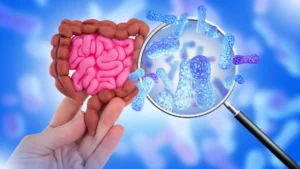
The results were striking. The researchers found that some diets associated with weight gain actually improved the animals’ responses to immunotherapy, even when these diets were consumed for relatively short durations. This suggests that the improved treatment outcomes observed in human patients with higher BMIs might not be a direct byproduct of excess fat storage, but rather the result of specific dietary inputs altering the composition and function of the gut microbiome.
"There is a synergistic relationship between the bacteria that reside in our GI tract and the food we eat," explains Dr. Quail. "Even with the right composition of bacteria in your gut, the foods you eat to nourish those populations can determine whether or not you respond to treatment."
Chronology of the Discovery
The path to this discovery was characterized by a meticulous deconstruction of the diet-microbiome-immune axis.
- Formulating the Hypothesis: The team moved beyond simple observations of BMI to hypothesize that the "obesity paradox" was rooted in the nutritional landscape of the gut.
- Dietary Screening: Over a series of controlled experiments, 12 different diets were administered to mice to determine which nutritional profiles correlated with increased T-cell activity within the tumor microenvironment.
- Microbiome Mapping: Using advanced genomic sequencing, the team mapped how these 12 diets shifted the microbial populations in the rodents’ digestive systems.
- Immunotherapy Challenge: Once the microbial shifts were established, the mice were treated with immune checkpoint inhibitors to see if the dietary-induced changes in the gut microbiome would translate to improved tumor suppression.
- Validation: The researchers confirmed that specific dietary components, rather than the state of obesity itself, were the primary drivers of enhanced immunotherapy efficacy.
Official Responses and Expert Perspective
The study, titled "Diet-microbiome synergy underlies obesity-associated immunotherapy efficacy," has sent ripples through the oncology community. By demonstrating that the gut microbiome acts as a mediator between food and immune response, the researchers have opened a new frontier in personalized cancer care.
Dr. Quail is quick to caution against misinterpreting these findings as a green light for poor nutritional habits. "Our findings were surprising because they highlighted a benefit of some obesogenic diets," she noted. "That tells us the relationship between diet and cancer treatment is more complex than a simple message to eat healthy and exercise. However, these results should not encourage cancer patients to consume diets that promote obesity."
The researchers emphasize that the health risks associated with obesity—including cardiovascular disease, metabolic syndrome, and chronic inflammation—are well-documented and far outweigh the potential immunotherapy benefits observed in a laboratory setting. The goal of this research is not to prescribe "junk food" to patients, but to isolate the specific metabolites or bacterial strains that promote an anti-tumor immune response.
Implications for Future Cancer Treatment
The potential implications of this study are profound. If scientists can identify the exact mechanisms—the specific bacteria and the dietary "fuel" they require—that trigger this enhanced immune response, they could develop dietary interventions or "post-biotic" supplements that provide the benefits of an improved gut microbiome without the harmful systemic effects of obesity.
1. Precision Nutrition in Oncology
This research suggests that in the future, a patient’s treatment plan could include a "precision nutrition" component. By analyzing a patient’s baseline gut microbiome, oncologists might be able to recommend specific diets or prebiotics that prime the immune system to respond better to checkpoint inhibitors.
2. Moving Beyond One-Size-Fits-All
The "obesity paradox" has long been a source of confusion for clinicians. By clarifying that diet, rather than body mass, is the primary variable, this research provides a roadmap for moving away from generalized dietary advice. Instead, the focus will likely shift toward optimizing the gut environment for immune success.
3. Developing Safer Therapeutic Adjuvants
Perhaps the most exciting prospect is the development of therapeutic agents that mimic the beneficial effects of these diets. By isolating the metabolic byproducts produced by the gut bacteria when they consume specific nutrients, researchers may be able to synthesize these compounds into a drug, offering the benefits of a "supercharged" microbiome without requiring a fundamental change in a patient’s diet.
Supporting Data and Collaborative Effort
The success of this study was facilitated by a robust collaboration between academic institutions and generous philanthropic support. The research, spearheaded by McGill PhD graduate Lysanne Desharnais, reflects a high level of technical rigor in integrating microbiome data with immunological outcomes.
Funding for this critical work was provided by the Canadian Institutes of Health Research, the Canadian Cancer Society, the Terry Fox Research Institute, and the Canada Foundation for Innovation. Furthermore, support from organizations such as La Vie en Rose and the Bachynski Family Foundation underscores the importance of philanthropic engagement in driving high-risk, high-reward research in oncology.
Conclusion: A New Frontier
The research into diet-microbiome synergy represents a significant pivot in how we understand cancer treatment. For years, the focus has been almost exclusively on the tumor itself or the drugs designed to target it. This study serves as a potent reminder that the human body is an ecosystem; to fight cancer effectively, we must look at the trillions of microscopic allies living within us and understand the complex language of nutrition they speak.
While we are not yet at a stage where a specific diet can be prescribed to guarantee the success of immunotherapy, the foundation has been laid. By deciphering the "obesity paradox," the researchers at the Rosalind & Morris Goodman Cancer Institute have moved us one step closer to a future where cancer care is truly personalized, informed by the intricate, invisible, and essential connection between what we eat and how we heal.