










For most of us, the alphabet serves as our first foundational tool—a building block for literacy, communication, and the acquisition of knowledge. Yet, as we navigate the complexities of modern existence, we often find ourselves lacking a similarly essential vocabulary for our internal experiences. Specifically, we are rarely taught how to interpret and manage the most common of human emotions: anxiety.
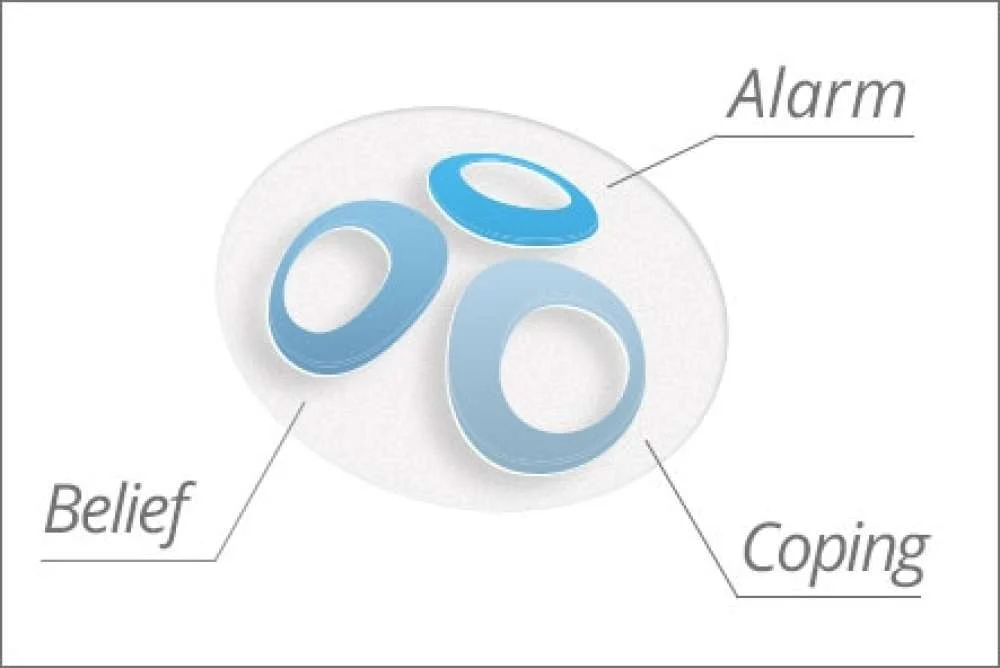
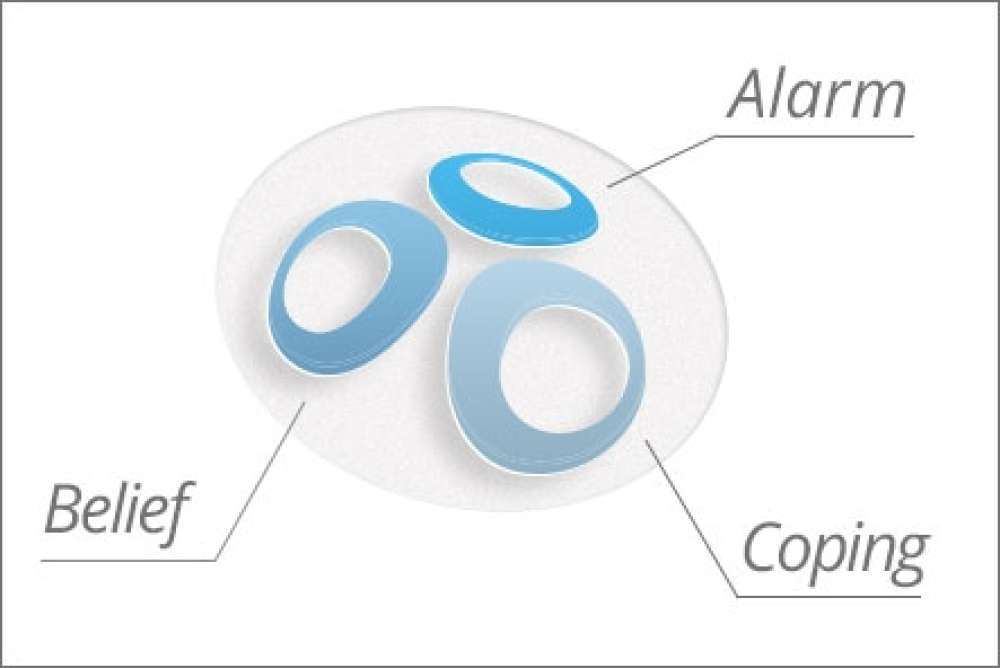
While anxiety is an evolutionary mechanism designed to protect us from genuine danger, it often becomes a source of chronic distress when we lack the framework to decode it. Without the proper "ABCs," we are left to react to our internal states with confusion and frustration. To bridge this gap, the ABCtracker™—an acronym for Alarm, Belief, and Coping—has emerged as a vital framework, helping individuals transform raw, uncomfortable feelings into manageable data points. By working alongside healthcare professionals, individuals can use this tool to demystify their internal triggers and reclaim their peace of mind.
The Main Facts: Defining the Internal Alarm System
At its core, the ABCtracker™ framework is designed to help individuals recognize and monitor anxiety triggers in real-time. Anxiety is not merely a "problem" to be eliminated; it is a biological signal. When we experience anxiety, we are often reacting to an internal alarm that has been tripped by either an external stimulus or an internal thought process.
The fundamental premise of the ABC framework is that anxiety is a process, not a singular event. By breaking down that process into three distinct stages—Alarm, Belief, and Coping—users can move from a state of reactive panic to one of conscious observation. This methodology, supported by clinical psychologists and psychiatrists, encourages patients to act as scientists of their own internal life, tracking the progression of their symptoms to uncover patterns that might otherwise remain buried in the subconscious.
Chronology of the Anxiety Cycle
Understanding how anxiety develops is the first step toward mastery. The experience of anxiety follows a predictable, if rapid, chronological progression that occurs within the brain and body.
Phase 1: The Alarm (A)
The cycle begins with the "Alarm." Evolutionarily, this is our survival mechanism. Just as a car alarm is designed to detect intrusion, our bodies possess an instinctive alert system meant to detect threats to our physical or emotional well-being. Whether it is a real threat—like a car swerving into your lane—or a perceived one—like the fear of public speaking—the body’s response is identical: the sympathetic nervous system activates. For those with anxiety disorders, this alarm is often hyper-sensitive, signaling "danger" in environments that are objectively safe.
Phase 2: The Belief (B)
Once the alarm sounds, the brain must interpret it. This is where "Belief" comes into play. Within a fraction of a second, the brain scans the situation and forms a belief about the danger level. If you see a shadow and believe it is an intruder, your body prepares for fight or flight. If you recognize it as a coat rack, the alarm subsides. In individuals with pervasive anxiety, this processing step is often flawed. The brain forms an automatic, incorrect sense of reality, justifying the alarm and creating a feedback loop that makes it increasingly difficult to return to a baseline state of calm.
Phase 3: The Coping Strategy (C)
The final stage is the "Coping" strategy. Every alarm and subsequent belief demands an action. We instinctively seek safety. Coping strategies are the mechanisms we employ to mitigate the discomfort of the alarm. While some strategies are adaptive (e.g., breathing exercises, cognitive reappraisal), many are maladaptive (e.g., avoidance, substance use, or reassurance-seeking). These maladaptive behaviors might offer immediate relief, but they often reinforce the cycle, teaching the brain that the "danger" was only avoided because of the avoidance behavior itself.
Supporting Data: Why Modern Anxiety Persists
The prevalence of anxiety disorders worldwide underscores a significant gap in emotional education. According to the Anxiety and Depression Association of America (ADAA), anxiety disorders are the most common mental illness in the U.S., affecting 40 million adults. However, the majority of these individuals do not receive treatment, often because they lack the tools to articulate their distress to healthcare providers.
The ABCtracker™ provides a structured methodology to translate abstract feelings into concrete data. Clinical research into neuroendocrinology—the study of how the brain interacts with hormones—suggests that chronic stress and anxiety can physically alter the brain’s structure, particularly in the hippocampus and the amygdala. By using the ABC framework, patients can begin to intervene in this cycle. When a patient can identify that they are in the "Belief" stage, they can intentionally challenge their own thoughts, effectively preventing the "Coping" stage from defaulting to a maladaptive habit.
Official Perspectives: A Neurobiological View
The development of tools like the ABCtracker™ is supported by experts who view anxiety through the lens of neurobiology. Dr. Carla Nasca, Ph.D., a noted researcher in neuroendocrinology at The Rockefeller University, has spent her career exploring the biological underpinnings of how the brain responds to stress.
For researchers like Dr. Nasca, the key to treating anxiety lies in understanding the plasticity of the brain. When an individual uses a tool to monitor their triggers, they are essentially engaging in a form of cognitive training. By repeatedly identifying the "Alarm" and challenging the "Belief," the brain creates new, more resilient neural pathways. This is not just "positive thinking"; it is the deliberate redirection of biological responses through the application of learned cognitive frameworks.
Implications: The Path to Long-Term Mastery
The implications of adopting a framework like the ABCtracker™ are profound. For those who have spent years feeling at the mercy of their own nervous system, the transition from "victim of anxiety" to "master of the ABCs" represents a fundamental shift in quality of life.
Breaking the Cycle of Maladaptive Coping
The most immediate implication of this framework is the identification of maladaptive habits. Many people are unaware that their coping strategies are actually feeding their anxiety. For example, avoiding social situations to prevent an anxiety attack feels like a "safe" choice, but it reinforces the belief that social situations are inherently dangerous. By tracking these moments in an ABC log, individuals can pinpoint where their logic fails and begin to introduce new, adaptive behaviors.
Empowering the Physician-Patient Relationship
The ABCtracker™ also serves as a bridge between the patient and the healthcare professional. Rather than telling a therapist, "I feel anxious," a patient can provide a detailed log: "I felt an Alarm when I entered the meeting (A). I immediately believed I would be fired for my performance (B). I coped by hiding in the bathroom (C)." This specific, actionable data allows physicians and psychologists to tailor treatment plans with far greater precision.
The Role of Professional Guidance
While the ABCs are easy to learn, they are not a replacement for professional care. Mastering the ABCs requires honesty and the ability to view one’s own thought processes objectively—a task that is often difficult to do alone. Whether through Cognitive Behavioral Therapy (CBT) or other evidence-based approaches, working with a professional ensures that the "Belief" analysis remains grounded in reality and that the "Coping" strategies developed are truly adaptive.
Conclusion: Starting Your Journey
Every master of any skill—be it music, mathematics, or emotional regulation—begins as a beginner. The ABCs of Anxiety are not a magic cure, but they are a vital foundation for anyone looking to navigate the modern world with greater ease.
By recognizing that your alarm system is a biological inheritance rather than a personal failing, you can strip away the shame that often accompanies anxiety. By analyzing your beliefs, you reclaim the power to decide what is true. And by curating your coping strategies, you transform your reaction to the world from one of fear to one of intentionality. The alphabet of your emotions is waiting to be learned; once you have these tools, you can move from merely surviving the alarm to masterfully navigating the life you choose to lead.