










For millions of people worldwide, the simple act of planning a day—a commute, a business meeting, or a social outing—is dictated by the proximity of a private, clean bathroom. Irritable Bowel Syndrome (IBS) is far more than a "tummy ache"; it is a complex, life-altering condition that compromises the fundamental quality of life for roughly 14 percent of the global adult population.
Research underscores the profound severity of this condition. In a striking study of nearly 2,000 individuals living with IBS, participants indicated they would be willing to trade 10 to 15 years of their life expectancy for an instant, permanent cure. Other studies have revealed that many patients would accept a medication carrying a one-percent risk of sudden death if it promised to eliminate their symptoms. These statistics are not merely abstract data points; they are a testament to the agonizing reality of a condition that can involve urgent diarrhea, persistent constipation, debilitating gas, and abdominal pain that many patients describe as more intense than childbirth.
The Anatomy of a Functional Disorder
Historically, the medical community struggled to categorize IBS. Because diagnostic imaging—such as colonoscopies and CT scans—often shows no physical damage, inflammation, or infection, the condition was frequently dismissed as "all in the head." This stigma caused significant harm, leaving patients feeling unheard and isolated.
Modern medicine has since evolved. Experts now classify IBS as a functional neuro-gastrointestinal disorder. This means that while the "hardware" of the gut—the organs themselves—appears normal under a microscope, the "software" is malfunctioning. The communication network between the gastrointestinal tract and the brain is misfiring. In an IBS patient, the nerves in the gut may be hypersensitive, causing the brain to interpret normal digestive processes as painful, or they may trigger the GI muscles to contract with erratic, painful intensity.
The Chronology of Symptoms and Diagnosis
IBS does not follow a linear path. For some, symptoms are constant; for others, they arrive in cycles, with months of relative health followed by weeks of severe flare-ups. Because the condition is defined by a cluster of symptoms rather than a singular biological marker, diagnosis is often a process of elimination.
The Diagnostic Process
A healthcare professional must first rule out more serious conditions, including Celiac disease, Inflammatory Bowel Disease (IBD) like Crohn’s or Ulcerative Colitis, and colorectal cancer. If you or a client are experiencing the following, professional medical intervention is non-negotiable:

- Unexplained weight loss
- Anemia
- Blood in the stool
- Nocturnal diarrhea (waking up during the night to use the bathroom)
- A family history of IBD or colon cancer
Once other diseases are ruled out, physicians use the "IBS subtypes" to categorize the disorder:
- IBS-C (Constipation-predominant): Characterized by hard, infrequent stools.
- IBS-D (Diarrhea-predominant): Characterized by frequent, loose, or urgent bowel movements.
- IBS-M (Mixed): A frustrating oscillation between both extremes.
The Psychological Toll: Gastrointestinal-Specific Anxiety
The constant threat of a flare-up creates a condition known as gastrointestinal-specific anxiety. This hyper-vigilance can erode social relationships, damage work productivity, and lead to total social withdrawal. Patients report worse quality of life than those suffering from chronic illnesses like heart disease or diabetes, largely because the unpredictability of IBS creates a perpetual state of "fight or flight."
Strategic Management: A Multi-Disciplinary Approach
While there is no "cure" in the traditional sense, PN Super Coach Sarah Maughan, certified through Monash University, emphasizes that lifestyle intervention can be transformative.
"My hope is for everyone with IBS to know they have options," Maughan says. "Whether that’s turning to a physician for medication or working with a health coach to implement lifestyle shifts, you do not have to just ‘live with it’."
1. The Role of Movement
Regular, moderate exercise is one of the most effective non-pharmacological interventions. Research indicates that walking moderately for one hour, three times a week, can lead to significant reductions in bloating and pain within 12 weeks. Exercise appears to calm the gut-brain axis, improve intestinal motility, and reduce the systemic inflammation that exacerbates symptoms.
2. Stress Management and Nervous System Regulation
Stress hormones like cortisol and norepinephrine are the enemies of a healthy gut. They can increase bowel sensitivity and alter gut transit time. Coaches often encourage clients to focus on their "Sphere of Control." By identifying stressors that are manageable—such as sleep hygiene or breathing exercises—and accepting those that are not, clients can lower their overall nervous system arousal, leading to fewer GI flare-ups.

3. The Power of "Slow Eating"
In our fast-paced culture, "wolfing down" meals is a common habit. However, slow eating is a critical tool for IBS management. Increased chewing allows salivary enzymes to begin the digestive process before food even reaches the stomach. Furthermore, eating in a calm, undistracted environment prevents the "swallowing" of air (which increases gas) and keeps the body in a parasympathetic "rest and digest" state.
4. Sleep Hygiene
IBS and sleep quality exist in a vicious cycle. Poor, shallow sleep exacerbates gut pain, while gut pain prevents restorative sleep. Breaking this cycle often requires a dedicated evening routine: avoiding heavy, late-night meals, limiting screen time, and engaging in light meditation or journaling to signal the body that it is time to shift gears.
5. Dietary Investigation: Beyond the "One-Size-Fits-All" Myth
There is no single "IBS diet." However, certain categories—such as high-FODMAP foods, caffeine, alcohol, spicy foods, and artificial sweeteners—are common triggers. The most effective strategy is a structured elimination diet.
- Elimination "Lite": Removing 2–4 suspected trigger foods for three weeks.
- The FODMAP Protocol: A more advanced, evidence-based approach that removes specific fermentable carbohydrates. Due to its complexity, it is highly recommended to perform this under the guidance of a trained practitioner or via the official Monash University app.
The Health Coach’s Scope of Practice
For health coaches, navigating the IBS landscape requires a strict adherence to professional boundaries. It is vital to remember the "Golden Rule" of the profession: Coaches do not diagnose or treat medical conditions.
Do’s for Coaches:
- Encourage clients to seek a formal medical diagnosis.
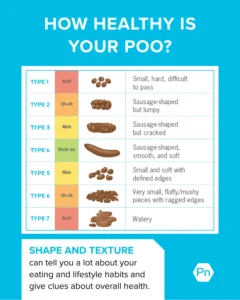
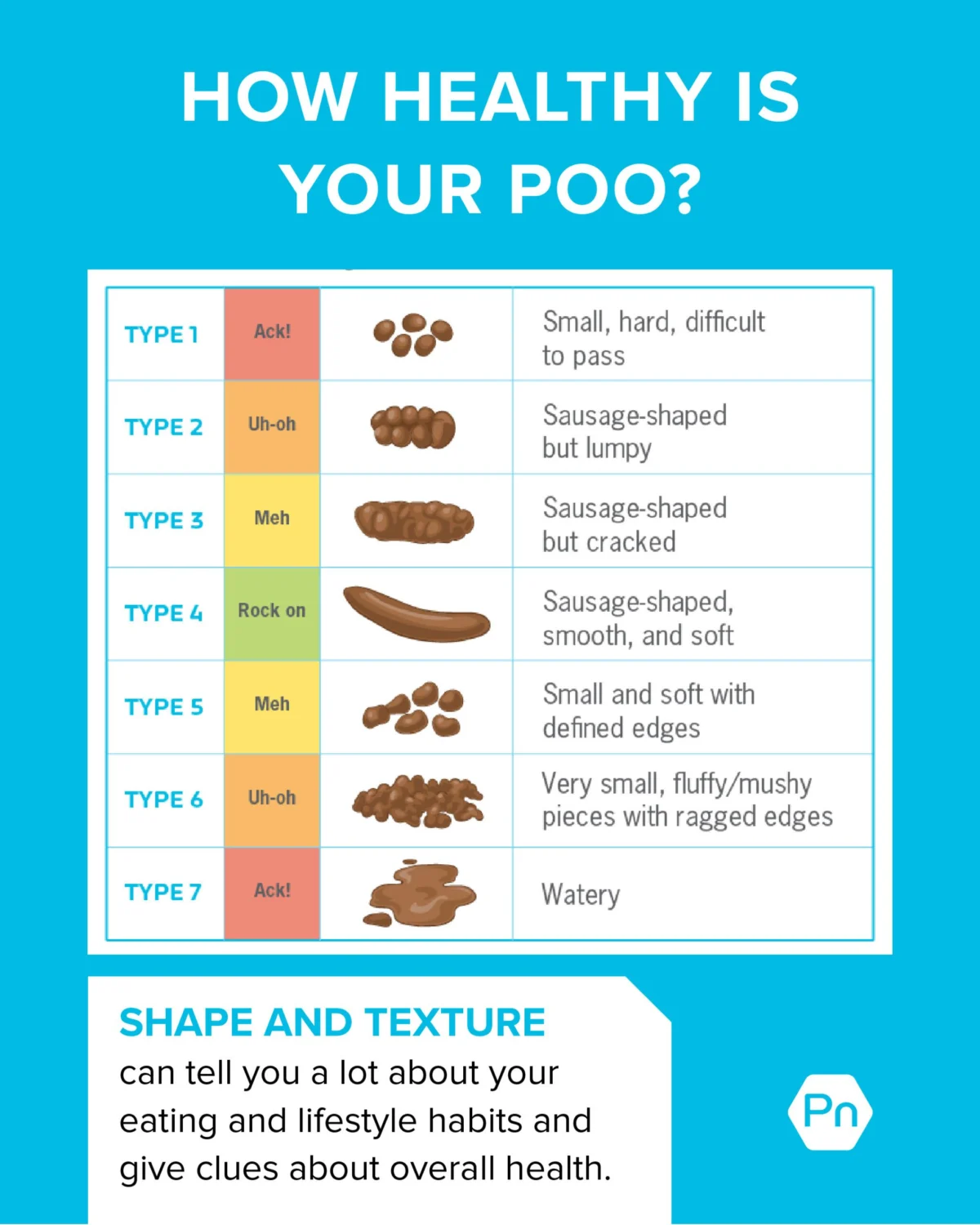
- Help clients track their symptoms (e.g., using the Bristol Stool Chart).
- Support the adoption of lifestyle changes recommended by a medical team.
- Facilitate food-reaction experiments and provide tools for habit consistency.
Don’ts for Coaches:

- Diagnose a client with IBS.
- Prescribe restrictive, "magic bullet" diets.
- Contradict the advice of medical doctors or gastroenterologists.
- Use fear-based tactics to force dietary compliance.
Implications: A Future of Choice
The ultimate goal of managing IBS is not to force the patient into a life of restriction, but to empower them with data. By understanding which foods, stress levels, and habits trigger their unique biology, patients transition from a state of fear to a state of agency.
As Sarah Maughan notes, "Knowledge provides choices. Even if you learn a favorite food contributes to your symptoms, you don’t have to banish it forever. You simply learn to navigate it, choosing when to enjoy it and when to avoid it to keep your body feeling its best."
By combining medical expertise with the habit-based support of health coaching, those living with IBS can finally reclaim their autonomy, moving away from a life defined by their gut and toward a life defined by their goals.
For those interested in becoming a professional guide in this journey, the PN Level 1 Nutrition Coaching Certification offers the framework to help clients build sustainable, life-improving habits.