






For decades, the battle against obesity has been defined by a singular, persistent focus: curbing the intake of calories. From restrictive dieting to the recent, revolutionary rise of GLP-1 receptor agonists like semaglutide and tirzepatide, the medical community has primarily targeted the neurological and digestive pathways that control appetite. However, as the limitations of these treatments become clear—particularly regarding the loss of vital lean muscle mass—scientists are shifting their gaze from the intake of energy to the cellular mechanics of energy expenditure.
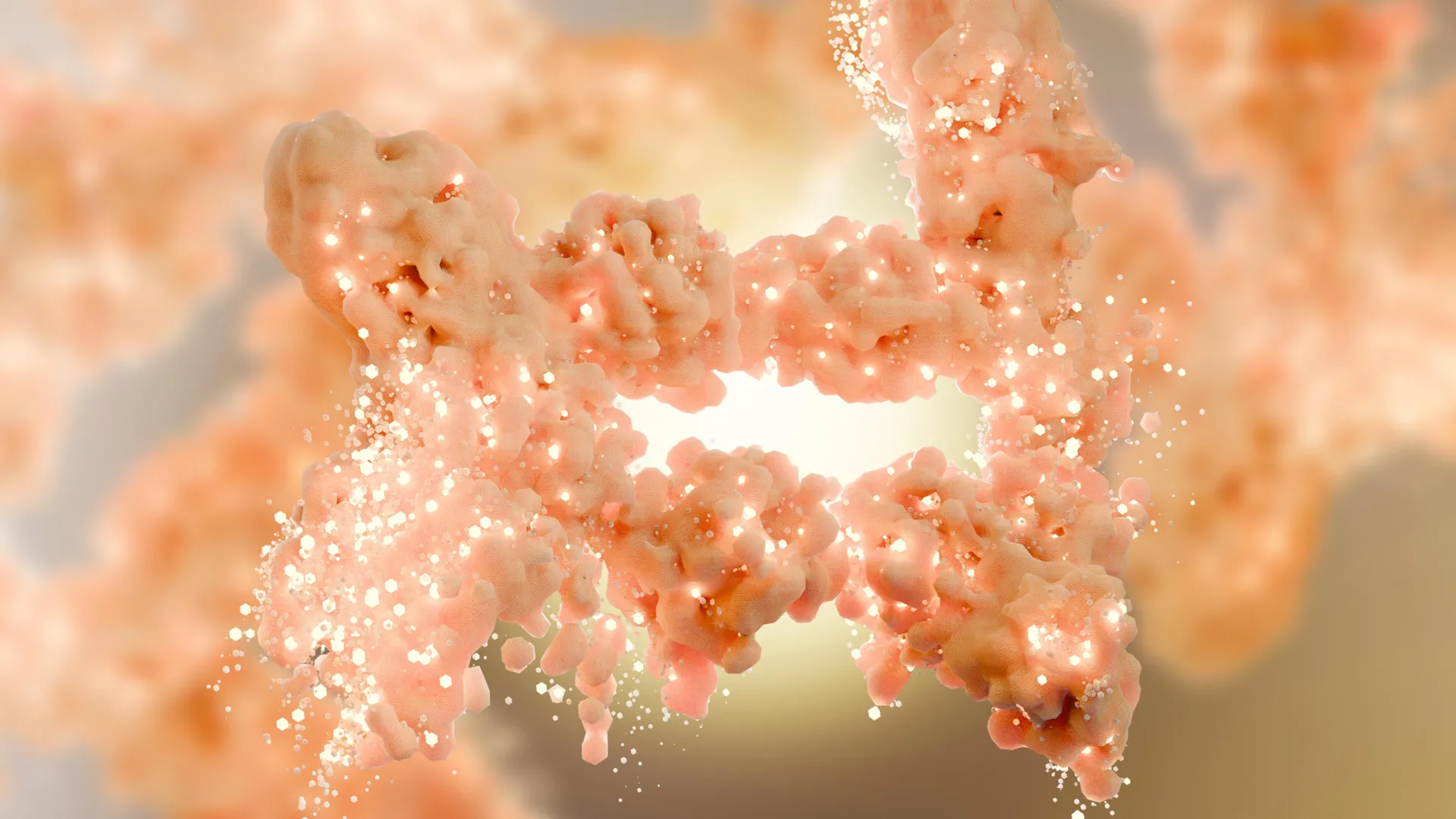
A breakthrough from the Weizmann Institute of Science, published in early 2025, has unveiled a remarkable molecular gatekeeper: a protein known as MTCH2, colloquially dubbed “Mitch.” This protein appears to act as a metabolic thermostat, dictating whether cells prioritize the storage of fat or the consumption of fuel. By manipulating this protein, researchers have successfully induced fat burning and inhibited the formation of new fat cells in laboratory models, suggesting a paradigm shift in how we might treat metabolic disorders in the future.
Chronology of Discovery: Unlocking the Mitch Mechanism
The journey toward identifying MTCH2 as a therapeutic target began with observations in muscle tissue. Professor Atan Gross and his team at the Weizmann Institute initially sought to understand why certain metabolic processes seemed to falter in the presence of excess weight.
The 2025 Milestones
In January 2025, the team published their primary findings in The EMBO Journal. The research demonstrated that when MTCH2 was disabled in laboratory mice, the animals exhibited a striking resistance to diet-induced obesity. Not only did these mice maintain healthier body compositions, but they also showed improved physical endurance and enhanced heart function.
The researchers soon identified that MTCH2’s influence is rooted in the mitochondria—the "powerhouses" of the cell. Mitochondria are dynamic structures that constantly fuse together or fragment to manage energy demand. Gross’s team discovered that Mitch is a critical player in mitochondrial fusion. When the protein is absent, the mitochondrial network fragments, forcing cells into a state of higher energy demand. This "high-burn" state compels cells to scavenge for fuel, leading to an accelerated consumption of carbohydrates and fats.
The October Breakthrough
The narrative deepened on October 3, 2025, with a follow-up study published in Nature Communications. An international collaboration involving Gross, Sabita Chourasia, and researchers from ETH Zurich uncovered exactly how MTCH2 regulates fat metabolism. They found that Mitch interacts with a crucial enzyme, CPT1 (carnitine palmitoyltransferase 1), which acts as a checkpoint for fatty acid entry into the mitochondria. By interfering with the control system of CPT1, Mitch normally keeps a tight lid on how much fat the body burns. Removing the protein effectively “releases the brake,” allowing mitochondria to consume stored fat at an increased rate.
Supporting Data: The Science of Cellular Respiration
To understand the magnitude of these findings, one must look at the data generated by the research team. When doctoral student Sabita Chourasia utilized genetic engineering to remove MTCH2 from human cells in a laboratory setting, the metabolic shift was profound.
From Storage to Consumption
Chourasia’s team monitored over 100 metabolic substances every few hours following the deletion of the protein. They observed a significant spike in cellular respiration—the process by which cells convert nutrients into ATP. Crucially, the cells did not simply burn more carbohydrates; they specifically ramped up the oxidation of fatty acids.
"We discovered that deleting Mitch led to a major drop in fats in cell membranes," explains Professor Gross. "At the same time, we saw an increase in fatty substances used to produce energy, and we realized that the fat was being broken down from the membrane to be used as fuel. In other words, we showed that Mitch determines the fate of fat in human cells."
Disrupting Adipogenesis
Perhaps most compelling is the protein’s role in adipogenesis—the formation of new fat cells. The research team tested the effect of MTCH2 deletion on precursor cells that normally mature into fat-storing adipocytes. Under normal conditions, 80% to 90% of these precursors successfully matured within six days. When MTCH2 was removed, that number plummeted to just 5% to 10%. By creating an energy-starved cellular environment, the absence of Mitch prevents these precursor cells from accumulating the lipids and cellular architecture necessary to store fat.
The Challenge of Lean Mass Preservation
The urgency behind this research is highlighted by the limitations of current weight-loss medications. While drugs like semaglutide are highly effective at reducing body weight, they are not exclusively targeting fat.
A 2026 analysis of 20 clinical trials involving 15,782 participants found that between 25% and 39% of the weight lost via conventional anti-obesity medication is actually lean body mass—muscle and essential tissue. This is a significant clinical concern, as muscle mass is vital for metabolic health, mobility, and long-term vitality.
The Weizmann Institute’s research offers a potential solution to this dilemma. In the mouse models where MTCH2 was disabled, the animals showed resistance to obesity while maintaining their lean body mass. This suggests that targeting metabolic efficiency rather than suppressing appetite could offer a "cleaner" form of weight loss, where the reduction is focused primarily on adipose tissue rather than muscle.
Official Responses and Scientific Implications
The broader scientific community has viewed the Mitch discovery as a "proof-of-concept" for a new generation of metabolic medicine. However, the researchers themselves remain measured in their outlook, emphasizing the complexity of the human body.
The "Double-Edged Sword"
Professor Gross and his colleagues are quick to point out that MTCH2 is not merely an "obesity protein." It is an essential component of mitochondrial health and cell survival. "Blocking it throughout the body could produce unwanted consequences," the team noted in their reports.
Healthy fat tissue is not inherently "bad"—it is a critical endocrine organ that regulates hormones and blood sugar. If the body’s ability to store fat is completely inhibited, there is a risk that excess lipids could be shunted to vital organs like the liver or heart, potentially causing ectopic fat deposition, which is far more dangerous than subcutaneous fat.
Future Research Directions
The next phase of research will focus on the precision of the intervention. Can scientists develop a targeted therapy that inhibits MTCH2 only in specific fat tissues? Or can they develop transient, reversible blockers that mimic the genetic deletion seen in the mouse models without permanently altering mitochondrial dynamics?
Moreover, the research highlights that while we search for the "magic pill," the fundamentals of biology still apply. The 2026 clinical trial analysis reiterated that resistance training remains the gold standard for preserving lean mass during weight loss. Any future pharmaceutical intervention involving proteins like MTCH2 would likely be most effective when paired with lifestyle interventions, rather than replacing them.
Conclusion: A New Frontier in Metabolic Health
The discovery of MTCH2 represents a significant departure from the traditional "calories in, calories out" narrative. By identifying a molecular switch that governs the very metabolic fate of nutrients, researchers have opened a door to therapies that could fundamentally re-engineer the body’s relationship with fat.
As we move toward a future where metabolic health is managed at the cellular level, the work of the Weizmann Institute stands as a testament to the power of curiosity-driven research. Whether "Mitch" ultimately leads to a clinical treatment for obesity or simply provides a deeper understanding of how our cells balance the demand for energy, it has successfully forced a re-evaluation of the mechanisms that govern human body composition. The path from the laboratory bench to the patient bedside is long and fraught with regulatory and physiological hurdles, but for those struggling with the metabolic burdens of obesity, the identification of this protein offers a promising new horizon.
Research Team and Publication Details
- Primary Study: MTCH2 controls energy demand and expenditure to fuel anabolism during adipogenesis, published in The EMBO Journal, January 3, 2025. Lead researchers: Sabita Chourasia and Professor Atan Gross.
- Follow-up Study: MTCH2 modulates CPT1 activity to regulate lipid metabolism of adipocytes, published in Nature Communications, October 3, 2025.
- Institutional Collaborations: The studies involved a multidisciplinary effort featuring researchers from the Weizmann Institute of Science, the University of Pennsylvania, the University of Texas at San Antonio, and ETH Zurich. Key contributions were provided by the Weizmann Life Sciences Core Facilities and the Department of Immunology and Regenerative Biology.