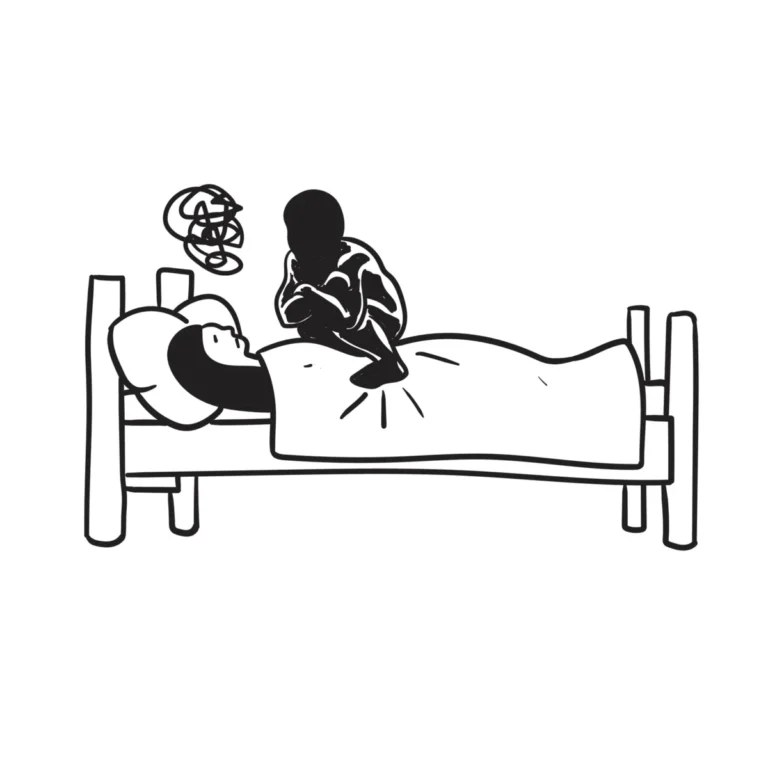






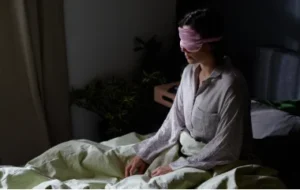


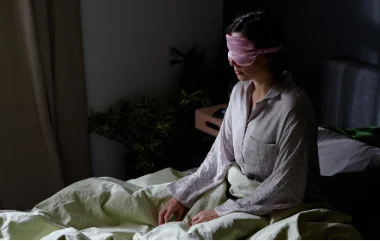
It begins with a muffled murmur in the next room, or perhaps the sudden, jarring sound of a person sitting bolt upright in the dark. For many households, these nocturnal disruptions are a source of bewilderment and anxiety. Whether it is a loved one wandering through the living room with glazed eyes or a child screaming in the throes of a night terror, these events are more than just bad dreams—they are clinical manifestations of Non-Rapid Eye Movement (NREM) disorders of arousal.
These sleep disorders, which include sleepwalking, confusional arousals, and sleep terrors, represent a fascinating, albeit troubling, intersection of wakefulness and deep sleep. While often dismissed as "growing pains" in children, they can persist into adulthood, requiring a nuanced understanding of their causes, triggers, and the essential steps toward professional intervention.
Main Facts: Defining NREM Disorders of Arousal
NREM parasomnias are a group of sleep disorders characterized by incomplete awakenings from slow-wave sleep (SWS), the deepest stage of our sleep cycle. Unlike REM sleep, where the brain is highly active and dreaming occurs, NREM sleep is a period of physical restoration. When the brain transitions improperly from this deep state to a state of partial wakefulness, the result is an "arousal disorder."
The Core Trio
- Sleepwalking (Somnambulism): A behavioral sequence that involves rising from bed and engaging in activities—ranging from simple pacing to complex tasks—while in a state of altered consciousness.
- Confusional Arousals: Episodes where an individual remains in bed but displays extreme disorientation, incoherent speech, or sluggish reactions.
- Sleep Terrors (Night Terrors): Intense, sudden episodes of extreme fear, often accompanied by autonomic nervous system activation, such as racing heart rate, sweating, and vocalizations like screaming.
The defining characteristic across all three is the "dissociated" state of the brain. Parts of the brain responsible for motor movement may be "awake," while the regions responsible for conscious awareness, memory, and judgment remain firmly asleep.
Chronology: The Anatomy of a Nocturnal Event
Understanding the timing of these events is critical for both diagnosis and management. NREM parasomnias do not occur randomly throughout the night; they are governed by the architecture of human sleep cycles.
The First Half Rule
Most sleep cycles last approximately 90 minutes. Slow-wave sleep (Stage N3) is most prominent during the first third or first half of the night. Consequently, these disorders almost exclusively manifest during this window. If a person is experiencing complex sleep behaviors in the early morning hours, it is more likely to be associated with REM sleep behaviors rather than NREM arousal disorders.
The "Arousal Cascade"
An episode typically follows a predictable, if chaotic, chronology:
- The Trigger: A sudden external stimulus (a loud noise) or an internal physiological trigger (an urge to urinate or a drop in blood oxygen) forces the brain to attempt a transition from deep sleep to wakefulness.
- The Failed Transition: The brain gets "stuck" in the transition phase. The person is neither fully asleep nor fully awake.
- The Behavioral Manifestation: Depending on the individual, this results in the onset of the disorder—be it the fear response of a night terror or the locomotive activation of sleepwalking.
- The Post-Episode Amnesia: Because the hippocampus—the brain’s center for memory formation—is largely inactive during these episodes, most individuals have little to no recollection of the event the following morning.
Supporting Data: Why Do These Episodes Occur?
While the exact neurobiological mechanisms are still under investigation, researchers have identified several factors that significantly increase the susceptibility to NREM disorders.
Genetic Predisposition
Evidence suggests a strong hereditary component. Studies indicate that individuals with a first-degree relative who experienced sleepwalking are significantly more likely to manifest the disorder themselves. This points to a potential genetic vulnerability in the brain’s arousal-regulating circuitry.
Environmental and Physiological Triggers
The "Threshold Theory" of parasomnias suggests that everyone has a baseline susceptibility. When multiple factors lower that threshold, an episode is triggered. Common contributors include:
- Sleep Deprivation: The most common trigger. A lack of sleep increases the intensity of "rebound" slow-wave sleep, which can destabilize the transition process.
- Fever and Illness: High body temperatures can disrupt sleep architecture, particularly in children.
- Medications: Certain sedatives, antidepressants, and antihistamines have been linked to an increase in arousal episodes.
- Alcohol Consumption: While alcohol may help someone fall asleep, it fragments the later stages of the sleep cycle, frequently inducing parasomnias.
- Obstructive Sleep Apnea (OSA): The struggle to breathe during sleep can trigger a sudden arousal, which may inadvertently manifest as a sleepwalking episode.
Official Perspectives and Medical Responses
Medical professionals, such as those represented by the American Academy of Sleep Medicine (AASM), emphasize that while these events are often benign, they should not be ignored if they pose a risk to the individual.
The Role of the Sleep Specialist
A doctor will typically begin by ruling out other sleep disorders, such as epilepsy (which can manifest as nocturnal behaviors) or REM Sleep Behavior Disorder (where individuals act out their dreams). Diagnostic tools often include:
- Sleep Logs: Detailed accounts from household members regarding the frequency and nature of the events.
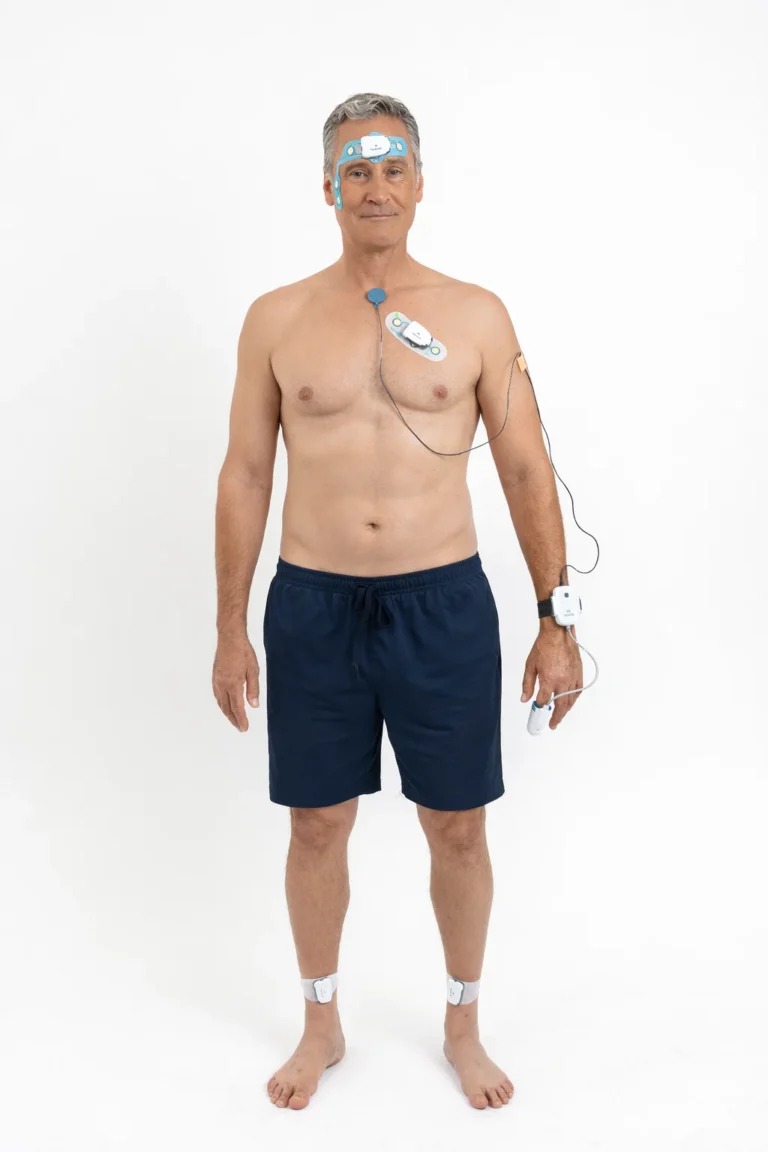
- Polysomnography: A formal sleep study that monitors brain waves, heart rate, and movement to distinguish between different types of sleep interruptions.
Management Strategies
Treatment is generally not required for infrequent, mild episodes. However, if the patient is a danger to themselves or others, clinicians may suggest:
- Safety Engineering: Clearing the bedroom of sharp objects, installing alarms on doors, and moving the sleeper to a ground-floor room.
- Scheduled Awakenings: For children, parents may be advised to wake the child 15–30 minutes before the episode typically occurs to "reset" their sleep cycle.
- Pharmacological Intervention: In severe, refractory cases, doctors may prescribe low doses of benzodiazepines or antidepressants, though these are used as a last resort due to potential side effects.
Implications: When to Seek Help
The decision to consult a physician should be guided by the "Safety and Frequency" rule. If a child sleepwalks once or twice, it is usually a developmental stage that they will outgrow by puberty. However, you should seek professional medical advice if:
- Safety is Compromised: The person has attempted to leave the house, climb out of windows, or has sustained injuries during an episode.
- Frequency Increases: The episodes are happening multiple times a week, disrupting the sleep quality of the entire household.
- Late-Onset: If a teenager or adult who has never sleepwalked suddenly begins to experience these symptoms, it could indicate an underlying health issue, such as OSA or a neurological condition, that warrants immediate investigation.
- Distress: If the episodes cause significant daytime anxiety or social withdrawal for the individual.
Key Takeaways: Distinguishing the Episodes
Distinguishing between the three primary disorders is the first step toward effective management:
- Look at the Location: If they stay in bed, it is likely a confusional arousal. If they are roaming, it is sleepwalking.
- Assess the Emotion: If the behavior is accompanied by intense, primal fear and autonomic physical symptoms (sweating, rapid heart rate), it is a sleep terror.
- Consider the Audience: Because these individuals are not fully conscious, they cannot be "reasoned with" during the event. Attempting to wake them fully can sometimes result in increased confusion or agitation. The best approach is to gently guide them back to bed and ensure they are safe, without trying to force them into full consciousness.
As our understanding of sleep science evolves, so too does our ability to treat these mysterious nighttime behaviors. By observing, documenting, and seeking expert guidance when necessary, families can transform these frightening episodes into manageable, temporary disruptions on the path to a better night’s rest.
Disclaimer: This article is for informational purposes only and does not constitute medical advice. Always consult with a qualified healthcare provider or a sleep specialist if you are concerned about your sleep health or the sleep health of a family member.