










In the complex ecosystem of American healthcare, family caregivers are the invisible backbone. They are the sons, daughters, spouses, and friends who shoulder the profound responsibility of caring for aging or ill loved ones, often balancing these duties with full-time careers and their own family lives. As we observe September as Self-Care Awareness Month, the national conversation is shifting from merely acknowledging the existence of caregivers to providing them with the structural support necessary to prevent burnout.
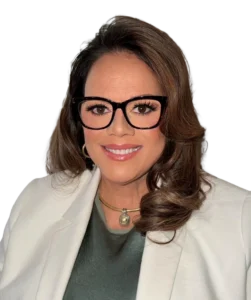
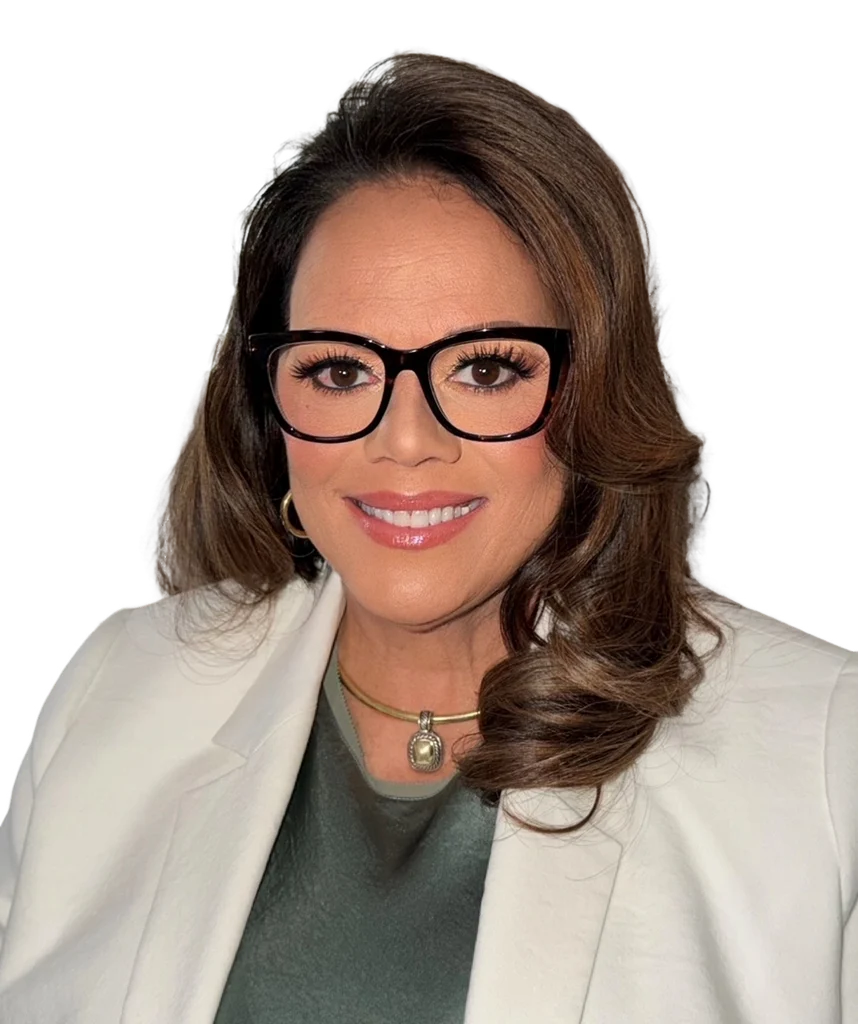
In the latest installment of the Caregiving Club On Air podcast (Season 6, Episode 74), host Sherri Snelling—a renowned corporate gerontologist and author—sat down with Laura Williams, the visionary founder and CEO of Respitely. Their discussion illuminates a critical truth: caregiving is not a sprint; it is a marathon. To reach the finish line without collapsing, caregivers must be afforded the physical and mental space to "take a breath."
The Genesis of a New Support Paradigm
For many, the concept of "respite" feels like a luxury they cannot afford. The reality, however, is that respite is a clinical necessity. The mental and physical toll of long-term caregiving often leads to a state of chronic stress, which, if left unaddressed, can lead to health decline for both the caregiver and the care recipient.
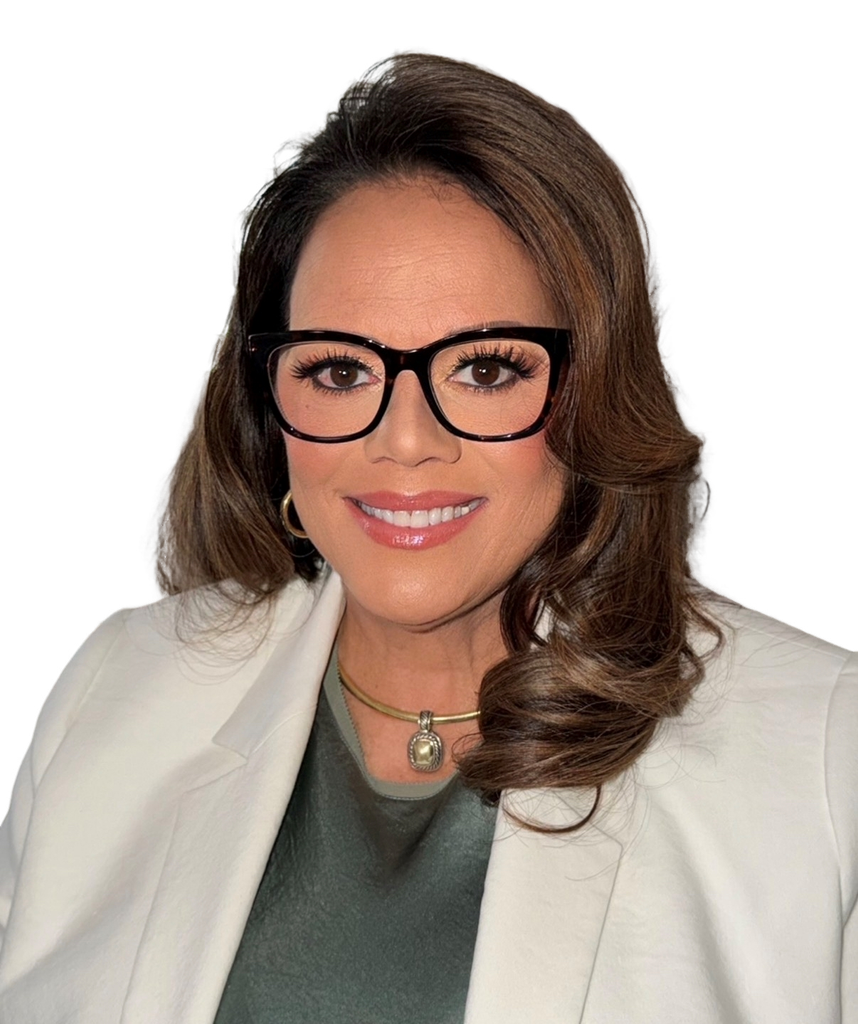
Laura Williams, who herself navigated the trials of being a working mother and a long-distance caregiver for her mother, understands this dynamic intimately. As part of the "Sandwich Generation"—those caring for aging parents while simultaneously raising children—Williams experienced the gaps in the support system firsthand.
"Caregiving is often treated as a solitary endeavor," Williams noted during the interview. "But the chaos of the daily caregiving grind is unsustainable without relief. I created Respitely because I saw that while many people want to help the caregivers in their lives, they often don’t know how. We wanted to formalize that support."
The "CareGifting" Innovation
Respitely functions as a bridge between the well-meaning community and the overwhelmed caregiver. Drawing an analogy to modern convenience platforms, Williams describes the service as the "Uber Eats" of caregiver support. However, there is a distinct, altruistic twist: it is not a service ordered by the caregiver, but a gift bestowed upon them by their network.
This model, which Williams calls "CareGifting," empowers family members, friends, and colleagues to fund respite services for the caregiver they care about. It removes the guilt often associated with asking for help and provides a tangible, professional solution to the caregiver’s need for a break. Whether it is a few hours of professional companionship or a day of specialized in-home care, the gift of time becomes the most valuable commodity a caregiver can receive.
Chronology of the Caregiving Crisis
The rise of the caregiving crisis has been a slow-moving, multi-decade phenomenon:
- The Early 2000s: As the "Baby Boomer" generation began to age, the demand for informal, unpaid caregiving began to outpace the growth of professional home-health infrastructure.
- 2010–2020: The rise of the digital health economy led to the proliferation of online platforms like Care.com and CaringBridge, which digitized the coordination of care.
- 2020–2022: The COVID-19 pandemic acted as an accelerant, forcing families into closer quarters and highlighting the extreme lack of backup care for employees who were also serving as primary caregivers.
- 2025–2026: We are now in a phase of "Systemic Integration," where corporations, tech startups, and government programs are finally beginning to treat caregiver wellness as a core pillar of public health and workplace productivity.
Supporting Data: Why Respite Matters
The statistics surrounding caregiver health remain sobering. According to recent research from the Caregiving Club and allied organizations, caregivers who do not utilize regular respite services face a 63% higher risk of mortality compared to non-caregivers of the same age.
Furthermore, the economic implications are staggering. When caregivers leave the workforce or reduce their hours due to burnout, the impact on their long-term financial stability—including Social Security benefits and retirement savings—is permanent. For employers, the "hidden cost" of caregiving manifests in increased absenteeism, decreased productivity, and higher turnover rates.
The Caregiving Club On Air podcast, which recently hit a ranking of #3 among the top 80 caregiving podcasts according to Feedspot, has become a vital hub for disseminating this data to a wider audience, proving that the demand for information on this topic is at an all-time high.
Official Responses and Institutional Resources
Recognizing the severity of the issue, several national and institutional bodies have formalized their support structures. For those seeking immediate assistance, the following resources are considered gold-standard:

- ARCH National Respite Care Network: The premier source for locating local and state-wide respite agencies.
- Veteran’s Administration (VA) Caregiver Support Program: A landmark initiative offering veterans’ caregivers up to 30 days of free respite care annually, acknowledging the unique burden placed on military families.
- UsAging (Area Agencies on Aging): A localized network providing guidance on county-level resources, which often include subsidized care options for low-to-moderate-income families.
- Hilarity for Charity (HFC): Founded to address the specific needs of dementia caregivers, their "Care Grant" program provides scholarships for free respite care, proving that the non-profit sector is stepping in where government funding may fall short.
Implications for the Future of Work
The conversation between Snelling and Williams also touches upon the transformation of the modern workplace. With the "Gen C" (Generation Caregiver) continuum emerging as a defining feature of the workforce, companies are being forced to rethink their benefits packages.
"One size does not fit all," Snelling emphasizes in her writings. Modern HR policies are moving away from simple wellness check-lists toward a culture of "lifespan caregiving." This includes offering specialized training for managers to recognize the signs of caregiver burnout and providing access to platforms that facilitate the coordination of in-home care.
When a company provides resources for an employee to find a respite worker, they are not just providing a perk; they are securing the employee’s mental health and, by extension, the company’s human capital. The shift from seeing caregiving as a "private family matter" to a "public professional issue" is the most significant trend in corporate culture for the remainder of the decade.
Practical Steps: The 7-Minute Reset
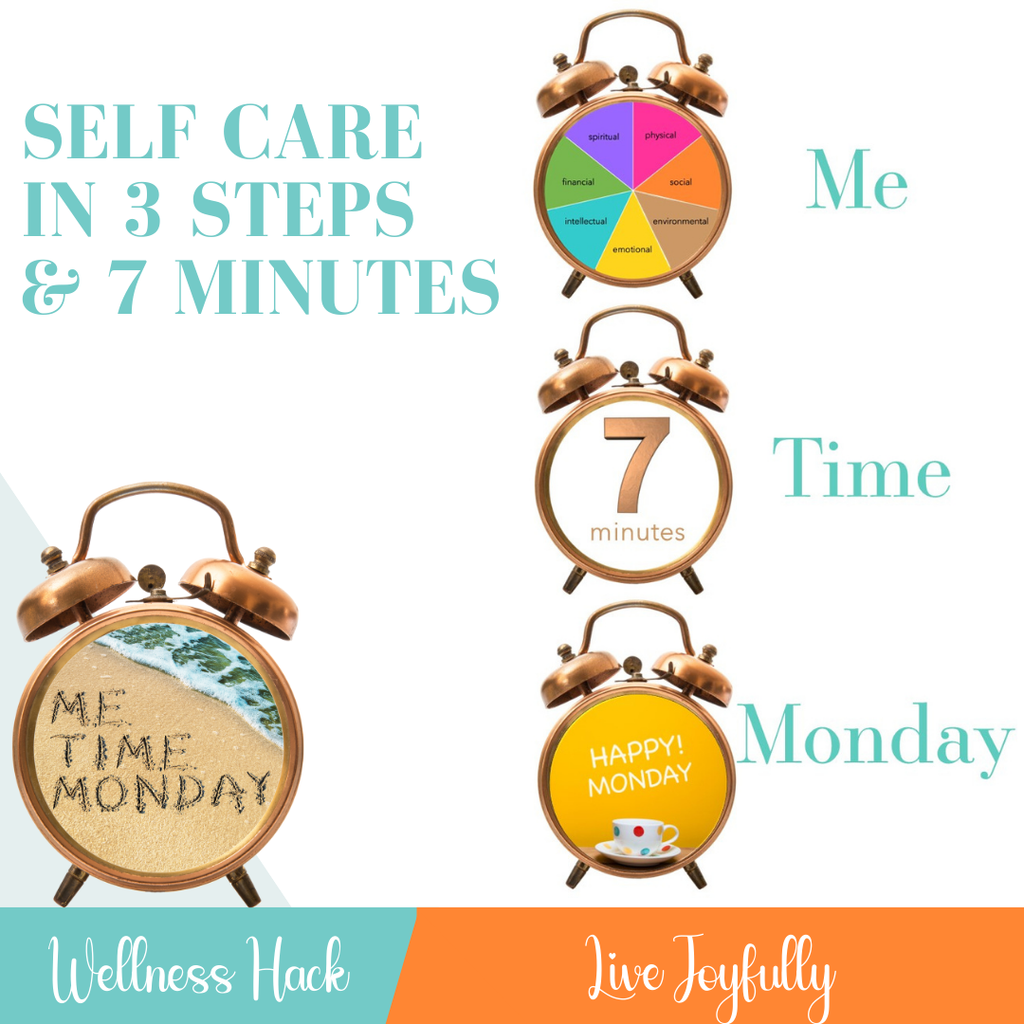
For those who cannot immediately access professional respite, the Caregiving Club offers a practical alternative through their "Me Time Monday" series. These "Self-Care in 7 Minutes" videos are designed for the person who literally has no time to spare.
The philosophy here is that self-care is not about a week-long vacation; it is about micro-moments of restoration. Whether it is a seven-minute digital detox, a quick breathing exercise, or a scheduled moment of silence, these habits help to reset the nervous system. By integrating these practices, caregivers can better manage the "chaos" that is inherent in the caregiving journey.
Conclusion: A Collective Responsibility
As we look toward the future of caregiving, the message is clear: the responsibility for the caregiver’s well-being cannot fall on the caregiver alone. It is a collective responsibility that requires the engagement of family, friends, employers, and the healthcare community.

Through innovations like Respitely and the advocacy of platforms like the Caregiving Club, the landscape is changing. We are moving toward a world where respite is no longer viewed as a rare privilege, but as an essential, accessible right for those who dedicate their lives to the care of others.
As Laura Williams poignantly reminds us, the only way to continue in the race is to ensure that every runner has the opportunity to stop, hydrate, and breathe. This September, let us move beyond mere awareness and toward meaningful, actionable support for the heroes of our families.
For more information on these topics, listeners can subscribe to the "Caregiving Club On Air" podcast on Apple Podcasts, Spotify, or YouTube. Additional resources, including Sherri Snelling’s "Me Time Monday" book and workshop information, can be found at the Caregiving Club’s official website.