









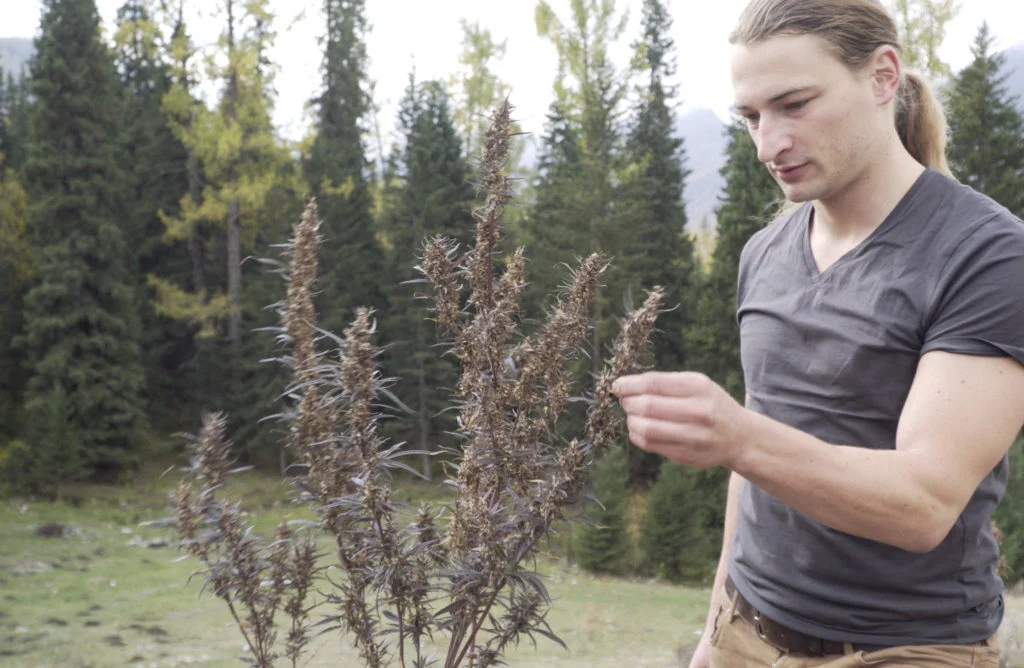
GENEVA — For centuries, the history of human interaction with mind-altering substances has been shrouded in the mists of antiquity. While legends and fragmented historical accounts have long suggested that our ancestors were well-acquainted with the effects of cannabis, concrete evidence has remained elusive. Now, a groundbreaking study published in the journal Science suggests that humanity’s relationship with the cannabis plant may be significantly older—and more sophisticated—than previously believed.
Archaeologists working at the Tunnug 1 site in the remote Uyuk Valley of southern Siberia have unearthed evidence suggesting that ancient populations were consuming cannabis for its psychoactive properties as early as 2,800 years ago. This finding pushes the timeline of known cannabis use back by at least three centuries, challenging the long-held belief that such practices originated primarily in the neighboring regions of ancient China.
The Discovery at Tunnug 1: A Glimpse into the Scythian World
The excavation, which began in 2017, centered on a monumental burial mound located in one of the most desolate yet historically rich regions of the Eurasian steppe. The Uyuk Valley is a landscape characterized by harsh extremes—swamps, biting frosts, and sweeping snowstorms—where herds of wild horses still roam across vast, grassy plains.
It was here that an international team of researchers from Germany, Russia, Sweden, and Switzerland began their work. The site is a significant repository of the material culture of the Scythians, a nomadic people known for their equestrian prowess, intricate animal-style art, and mastery of metallurgy.
"The environment was incredibly challenging," noted co-author Gino Caspari, an archaeologist at the University of Bern. "We were essentially in the middle of nowhere, living in tents for months on end. But when we broke into the burial strata, we struck gold."
Amidst a cache of artifacts that included iron weapons, horse harnesses, and exquisite gold ornaments, the team discovered thousands of tiny, preserved black seeds. More importantly, they uncovered preserved human hair samples within the same tomb. This juxtaposition of botanical remains and biological tissue provided a rare, high-resolution window into the daily rituals of the Scythians.
A Chronological Shift in Archaeological Understanding
The history of cannabis consumption has been a subject of intense academic debate for decades. The Greek historian Herodotus, writing around 440 B.C., famously described the inhabitants of Central Asia burning hemp seeds in ritualistic tent settings to produce a dense, intoxicating vapor. While scholars have historically regarded Herodotus’s accounts with a degree of skepticism, the discovery in the Uyuk Valley lends newfound weight to these ancient texts.
Timeline of Key Findings
- 440 B.C.: Herodotus documents Central Asian nomadic tribes using cannabis, describing it as a practice that induces a state of euphoria.
- 2017 A.D.: Excavations begin at the Tunnug 1 site in the Siberian Uyuk Valley, revealing complex burial structures belonging to the Scythian period.
- 2026 A.D.: Analysis of hair samples and botanical deposits from the Tunnug 1 tomb indicates deliberate psychoactive cannabis use dating back to approximately 800 B.C.
By applying radiocarbon dating to the more than 1,000 seeds recovered, the researchers determined that the deposits were not accidental; they were deliberately placed within the burial, suggesting that the plant held profound ritualistic or communal significance for the deceased.
Forensic Analysis: The Science of the "Drug Test"
The core of the study rests on the analysis of the preserved hair samples. Finding soft tissue that has been effectively mummified in the permafrost of the Siberian steppe is a rarity that allows scientists to analyze the internal chemistry of individuals long dead.
"It is only so often as an archaeologist that you get to ‘drug test’ a person that has been dead for almost 3,000 years," Caspari remarked. The researchers aimed to detect the presence of tetrahydrocannabinol (THC) and other cannabinoids within the hair shafts. If these compounds were present, it would indicate that the individuals had ingested or inhaled the substance during their lifetime, rather than simply being buried near it.
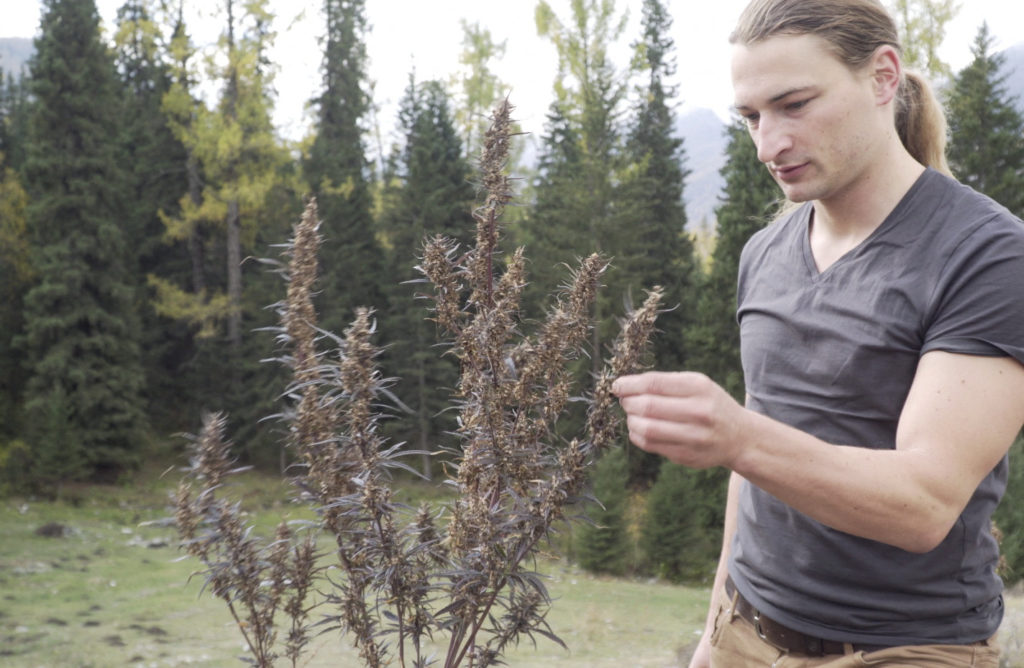
The significance of this cannot be overstated. While archaeologists have previously identified cannabis seeds in various sites across the Eurasian highlands, the presence of seeds alone does not constitute proof of drug use. The plant has historically served a "triple threat" function: its seeds are rich in oil, its fibers are used for textiles, and its resin is used for its psychoactive effects. Without chemical evidence from the human remains themselves, it has been difficult to distinguish between industrial hemp use and intentional intoxication.
The Scientific Controversy: Debate over Methodology
Despite the excitement surrounding the publication, the study has sparked a spirited debate within the archaeological and forensic toxicology communities. Critics argue that the conclusions drawn from the hair analysis may be premature or over-interpreted.
Volker Auwaerter, head of the forensic toxicology section at the University Medical Center in Freiburg, Germany, has been one of the most vocal skeptics. In a detailed critique, Auwaerter suggested that the evidence presented is "scientifically weak."
"For a central part of the study, the article falls far short of what would have been possible," Auwaerter noted in an email. "The hair data carry the main claims of the abstract—cannabis consumption and use for its psychoactive properties—but the data do not sufficiently distinguish between internal consumption and external environmental exposure."
Auwaerter’s primary concern is that the hair may have been contaminated by the seeds lying in the soil surrounding the body. He argues that a more rigorous, specialized toxicological approach—one that separates internal metabolites from external residues—should have been mandatory for a claim of this magnitude.
Conversely, other experts in the field have defended the methodology. Elisa Guerra Doce of the University of Valladolid, a specialist in the history of consciousness-altering substances, suggests that the authors have provided a compelling case. "Toxicological hair analysis is an established method in archaeology," she stated. "The authors have shown, through their methodology, that cannabis was not merely a passive funerary offering, but was actually part of the metabolic experience of these individuals."
Societal Implications and Future Directions
The implications of the Tunnug 1 findings are broad. If the Scythians were indeed utilizing cannabis for its psychoactive properties 2,800 years ago, it suggests that the use of mind-altering substances was deeply embedded in the social and spiritual fabric of ancient nomadic societies. It raises questions about how these substances were integrated into elite burials and whether they were used as tools for shamanistic rituals, pain management, or simply as a social lubricant during communal gatherings.
As the global cannabis industry continues to evolve and face its own modern legal and ethical challenges, the study of ancient use serves as a reminder that the human desire to alter consciousness is as old as civilization itself.
The team acknowledges that more research is needed to silence the critics. Future efforts will likely focus on refined chemical testing of different layers of the hair shaft and comparisons with other burial sites in the region.
"We are just scratching the surface," Caspari concluded. "Whether the Scythians inhaled it in a tent as Herodotus described or ingested it in a different form, the evidence suggests they were masters of their environment, including the plants that grew within it. This is a story about human curiosity, ritual, and the ancient search for altered states of being."
As the scientific community continues to scrutinize the data, the Tunnug 1 site stands as a testament to the fact that our history is constantly being rewritten by the small, often overlooked remnants left behind in the earth. Whether the final verdict on the Scythian "high" remains a debate or becomes an accepted fact, the discovery has undeniably reopened the book on the ancient history of drug use.