








For decades, the health benefits of plant-based diets have been summarized in a single, ubiquitous piece of nutritional advice: "Eat more fiber." While fiber remains an essential pillar of digestive health, a new wave of scientific inquiry is revealing that our understanding of why plants promote health has been incomplete.
Groundbreaking research led by the Ludwig Institute for Cancer Research at Princeton University suggests that the secret to a healthy gut lies not just in fiber, but in an overlooked class of plant proteins that survive digestion. These "proteins imitating fiber" (Prif) act as powerful conductors of our internal microbial orchestra, determining whether our gut bacteria produce life-sustaining compounds or harmful, disease-linked toxins. Simultaneously, a parallel study is challenging the fundamental dogma of microbiome science, proving that the human body—not just its resident bacteria—is responsible for creating many of the metabolites previously thought to be the exclusive work of our gut flora.
The Microbiome: A Complex Chemical Factory
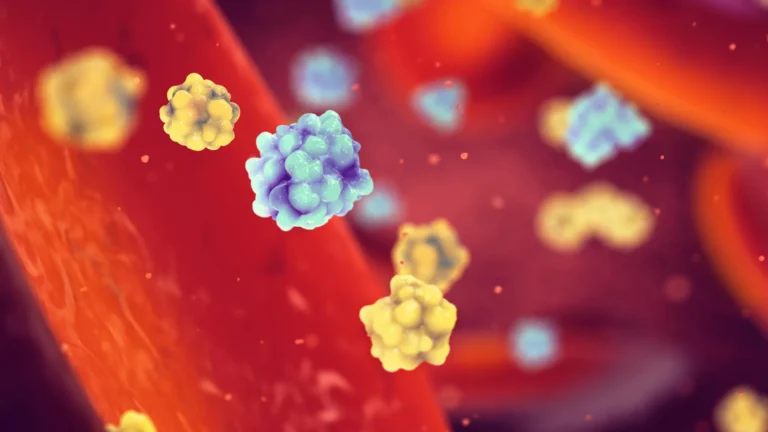
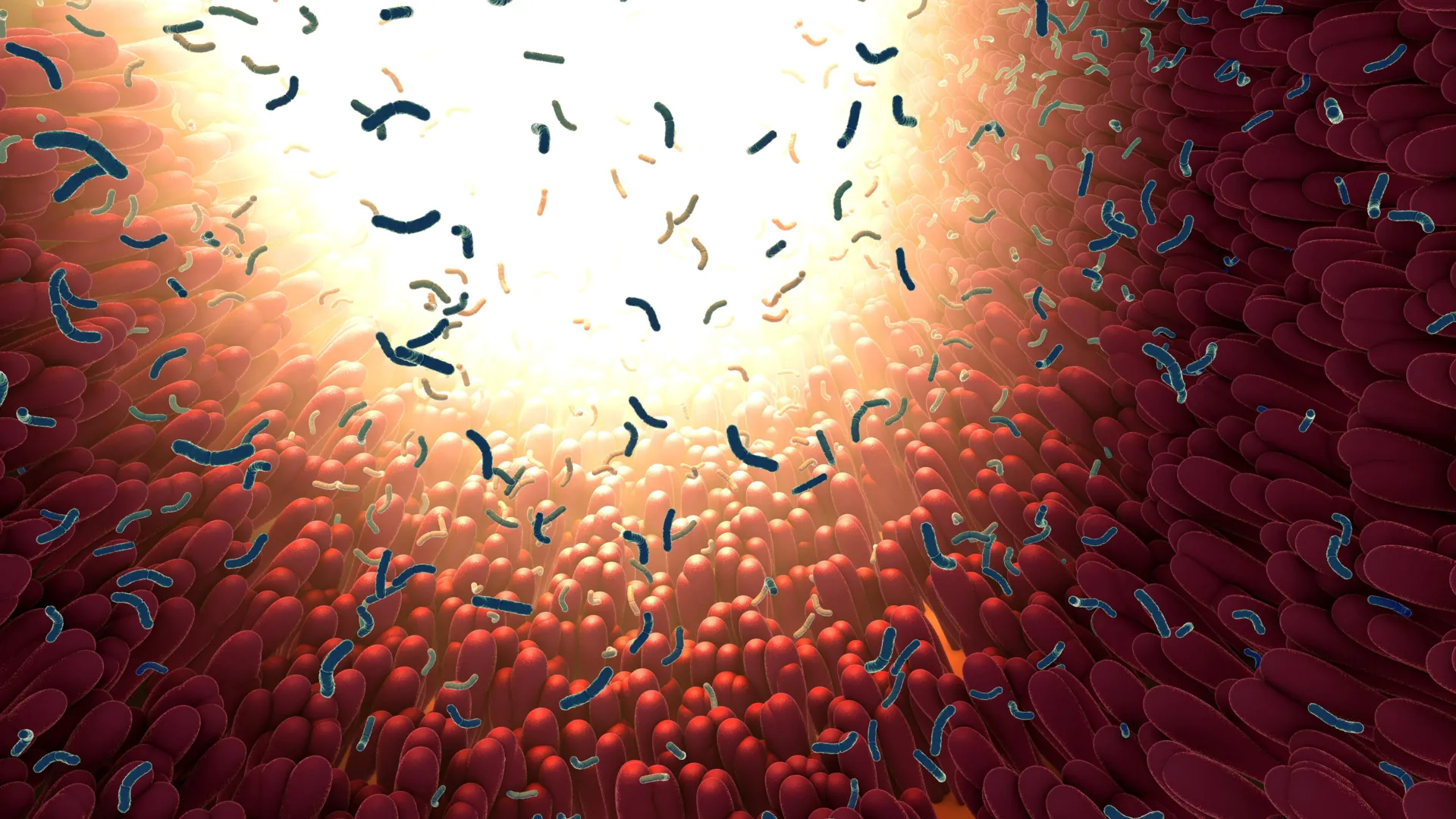
The human gut is home to trillions of microorganisms, a diverse community known as the microbiome. This ecosystem is far more than a passive passenger; it is a metabolic powerhouse that processes complex food components the human body cannot break down on its own. By fermenting these substances, gut bacteria produce metabolites—small chemical molecules that enter the bloodstream and influence everything from immune system function and cardiovascular health to metabolic regulation and cancer progression.
For years, the scientific community focused heavily on fiber as the primary "fuel" for this system. However, the interplay between diet and these chemical outputs is remarkably intricate. As researchers have begun to map these interactions, they have realized that the "fiber-only" narrative obscures the role of other dietary components that dictate the chemical signature of our health.
The Chronology of Discovery: Unmasking the Prif
The path to these discoveries began with a granular investigation into how plant components influence the production of phenol metabolites. Researchers Jenna AbuSalim and Joshua Rabinowitz, director of the Princeton Branch of the Ludwig Institute, embarked on a multi-pronged study to track the transformation of nutrients into biological signals.
Phase 1: Identifying the "Proteins Imitating Fiber"
In their study published in the Proceedings of the National Academy of Sciences (PNAS), the team investigated the metabolic pathways of two amino acids: tyrosine and phenylalanine. They discovered that when gut bacteria process these amino acids, the resulting metabolites have drastically different health impacts.
Metabolites derived from phenylalanine, such as phenylpropionate and hippuric acid, are associated with healthy weight and robust gut health. Conversely, tyrosine-derived compounds like p-cresol sulfate and phenol sulfate are linked to poor outcomes in cancer patients and systemic toxicity in those with kidney disease. The researchers hypothesized that if they could identify which dietary components steered bacteria toward one pathway over the other, they could potentially optimize the gut’s chemical output. This led to the discovery of "Prif"—indigestible plant proteins that work in tandem with fiber to favor the production of beneficial phenols.
Phase 2: Disrupting the Microbiome Dogma
In June, the team published a follow-up study in Nature Metabolism that shifted the focus from bacterial products to host production. By using stable isotope tracing—a method that tags molecules with a "chemical signature" to track their movement through the body—the researchers examined indole metabolites. Traditionally, the medical community assumed these compounds were exclusively manufactured by gut bacteria. However, the data revealed that mammalian cells are capable of synthesizing these metabolites independently. This finding has profound implications for how we view the gut-brain-immune axis, suggesting that the body has more control over its internal chemistry than previously imagined.
Supporting Data: Tracking the Chemical Flow
The researchers utilized sophisticated isotope labeling to move beyond mere correlation and establish causation. In animal models, they provided traceable, non-radioactive isotopes to observe the exact metabolic journey of proteins.
The Mucus Protection Hypothesis
One of the most alarming findings from the PNAS study involved the "starvation" of gut bacteria. When the gut is depleted of fiber, bacteria shift their attention to the host’s own anatomy. They begin to degrade the protective mucus layer that lines the intestinal wall—a critical defense barrier. The researchers discovered that this degradation process releases harmful, tyrosine-derived metabolites into the system.
By contrast, the introduction of fiber and Prif provided the bacteria with an alternative, "preferred" energy source. This kept the bacteria occupied with plant-based nutrients rather than the host’s protective lining. The data showed a distinct shift:
- Without fiber/Prif: Bacteria feed on intestinal mucus $rightarrow$ production of harmful phenol metabolites.
- With fiber/Prif: Bacteria feed on dietary plant components $rightarrow$ production of beneficial phenol metabolites.
Antibiotic-Treated Models
In the Nature Metabolism study, the researchers tested the "microbial-only" theory by administering antibiotics to rats and mice to eliminate their gut microbiome. If the body were entirely dependent on bacteria for specific metabolites, their levels should have plummeted. While some compounds (like p-cresol sulfate) did indeed disappear, others—specifically indole-3-lactate and indole-3-acetate—remained at significant levels in the blood. This confirmed that the human body possesses its own internal capacity to manufacture these essential substances.
Official Perspectives: The Future of Nutrition
Dr. Joshua Rabinowitz emphasizes that these findings represent a fundamental shift in how we approach medical intervention. "There’s growing interest across medical disciplines in manipulating the human microbiome or using its metabolic products themselves for therapy," Rabinowitz noted. "Diet holds great promise for controlling the microbiome and its outputs. But to devise effective therapeutic interventions, we need to understand what aspects of the diet control which microbial outputs."
The research suggests that we are moving toward a future where "precision nutrition" is the standard. If we can identify the specific concentrations of Prif in common foods, nutrition labels could become significantly more informative. "Food packaging may eventually list Prif right below fiber," Rabinowitz predicted, acknowledging that the industry must adapt to the new scientific understanding of how proteins interact with the gut ecosystem.
Implications for Modern Medicine
The implications of these two studies are vast, spanning across oncology, gastroenterology, and metabolic health.
1. Rethinking Probiotics and Dietary Interventions
For years, the industry has pushed probiotics with the singular goal of increasing "good" microbial metabolites. However, the Nature Metabolism study suggests that for some compounds, the body is doing the heavy lifting itself. Doctors may need to pivot from solely targeting the microbiome to also supporting the metabolic health of the host’s own cells.
2. Cancer Therapy and Systemic Health
Given the link between harmful tyrosine-derived metabolites and worse outcomes in cancer patients, this research offers a potential non-invasive strategy to improve treatment efficacy. By carefully tailoring diet to increase fiber and Prif intake, patients might be able to naturally lower the concentration of harmful toxins in their blood, potentially reducing systemic inflammation and improving their body’s response to cancer therapies.
3. A New Paradigm for Nutritionists
The findings move nutrition science away from broad categories—like "proteins" or "carbohydrates"—and toward a deeper understanding of how specific molecules influence microbial ecology. This provides a roadmap for future research, moving the focus toward how the interaction between fiber and Prif can serve as a "biologic switch" for health.
4. The Need for Further Human Research
While the use of isotope tracing in animal models has provided a clear, mechanistic view of these processes, the research team is quick to note that further clinical trials are necessary. The transition from laboratory observations to human dietary guidelines requires rigorous validation to account for the diversity of the human microbiome and the varying genetic backgrounds of patients.
Conclusion
The discovery of "proteins imitating fiber" and the realization that our own bodies produce metabolites previously credited to bacteria mark a significant maturation of nutritional science. We are no longer looking at the gut as a simple "black box" where food goes in and health comes out. Instead, we are beginning to see it as a complex, collaborative system where every dietary component—from fiber to overlooked proteins—plays a precise, active role. As we continue to decode these chemical conversations, the potential for using food as a precise, potent, and personalized medicine becomes ever more attainable.