









For millions of people, the daily commute is a non-negotiable reality of modern life. Whether navigating congested highways in a car, enduring the rigid seats of a commuter train, or jostling for space on a crowded bus, the act of getting from point A to point B has become a significant source of physical strain. While we often focus on the mental fatigue of traffic or transit delays, the silent, cumulative impact on our musculoskeletal health is becoming a growing concern for physical therapists and wellness experts alike.
As we settle into the rhythm of late 2026, the data is clear: the sedentary nature of the commute is wreaking havoc on our spines, necks, and shoulders. However, a growing body of evidence suggests that relief doesn’t require a long-term medical intervention. Instead, simple, targeted yoga sequences—specifically designed to decompress the spine and open the chest—can serve as a powerful antidote to the "commuter slouch."
The Anatomy of the Commute: Why We Hurt
To understand why we feel "tight" after a commute, we must look at the biomechanics of sitting for extended periods. When we sit in a vehicle, our bodies often fall into a posture of flexion: the shoulders round forward, the chest collapses, and the lower back—specifically the lumbar spine—loses its natural inward curve.
Research published in leading medical journals, including studies on chronic musculoskeletal pain, consistently highlights that prolonged sitting restricts blood flow to the posterior chain and tightens the hip flexors. When the hip flexors are chronically tight, they pull on the lumbar spine, which is the primary driver of the lower back pain experienced by millions of commuters. Furthermore, the constant micro-adjustments required to stabilize the body in a moving vehicle—even if subconscious—create a state of low-level tension in the neck and trapezius muscles.
Chronology of Recovery: A Post-Commute Routine
The best time to address this tension is immediately upon arrival. Much like a "reset" button, performing a brief yoga sequence after your commute prevents the body from "locking in" that rigid, hunched posture for the remainder of the day.
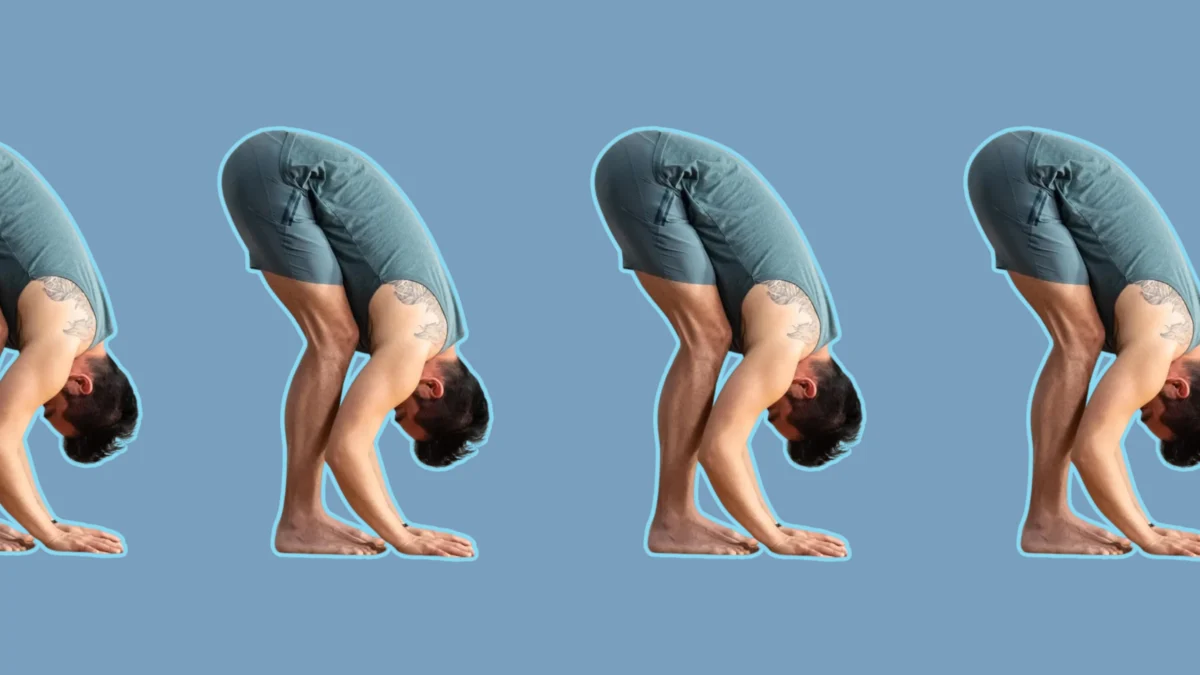
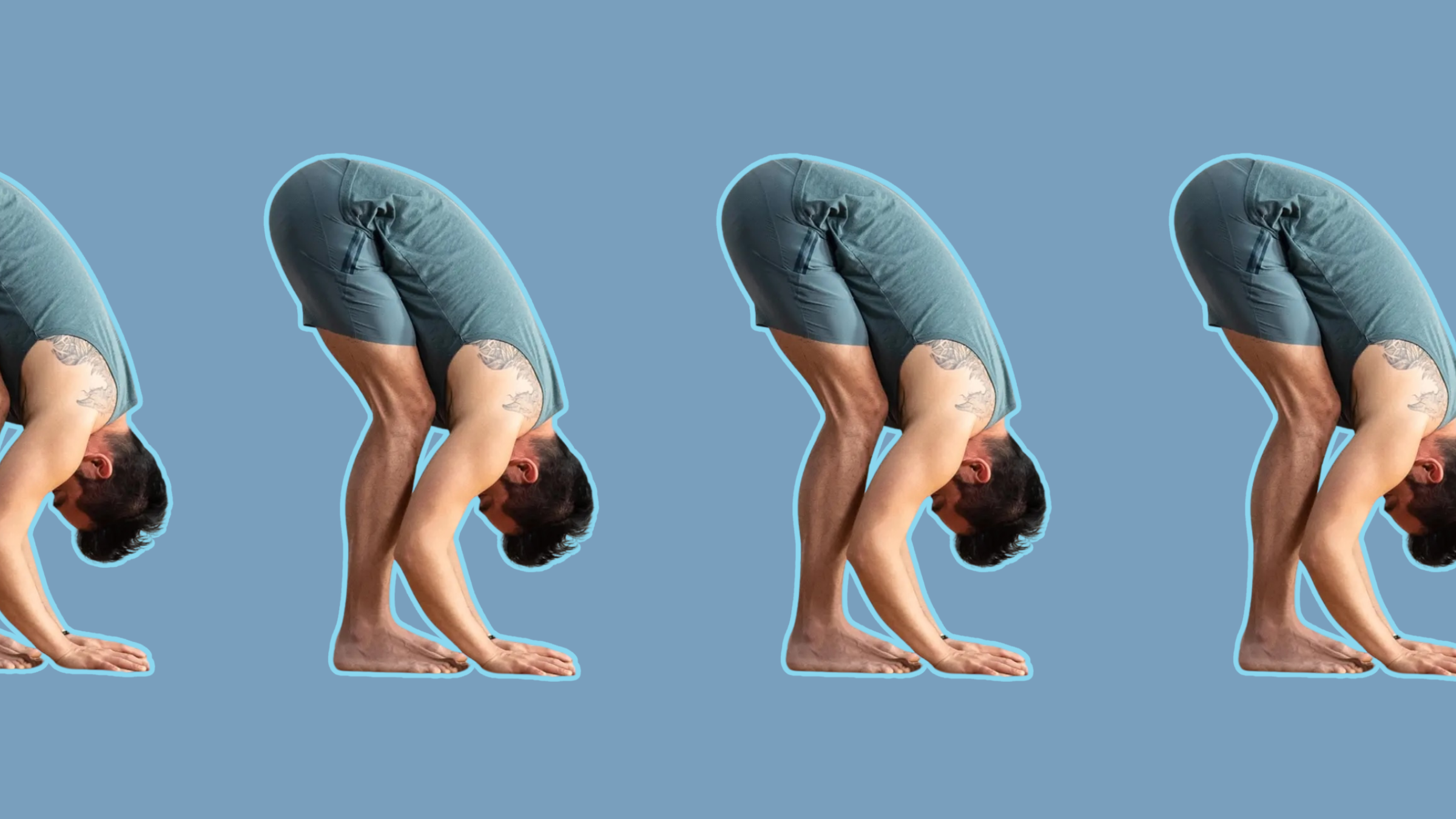
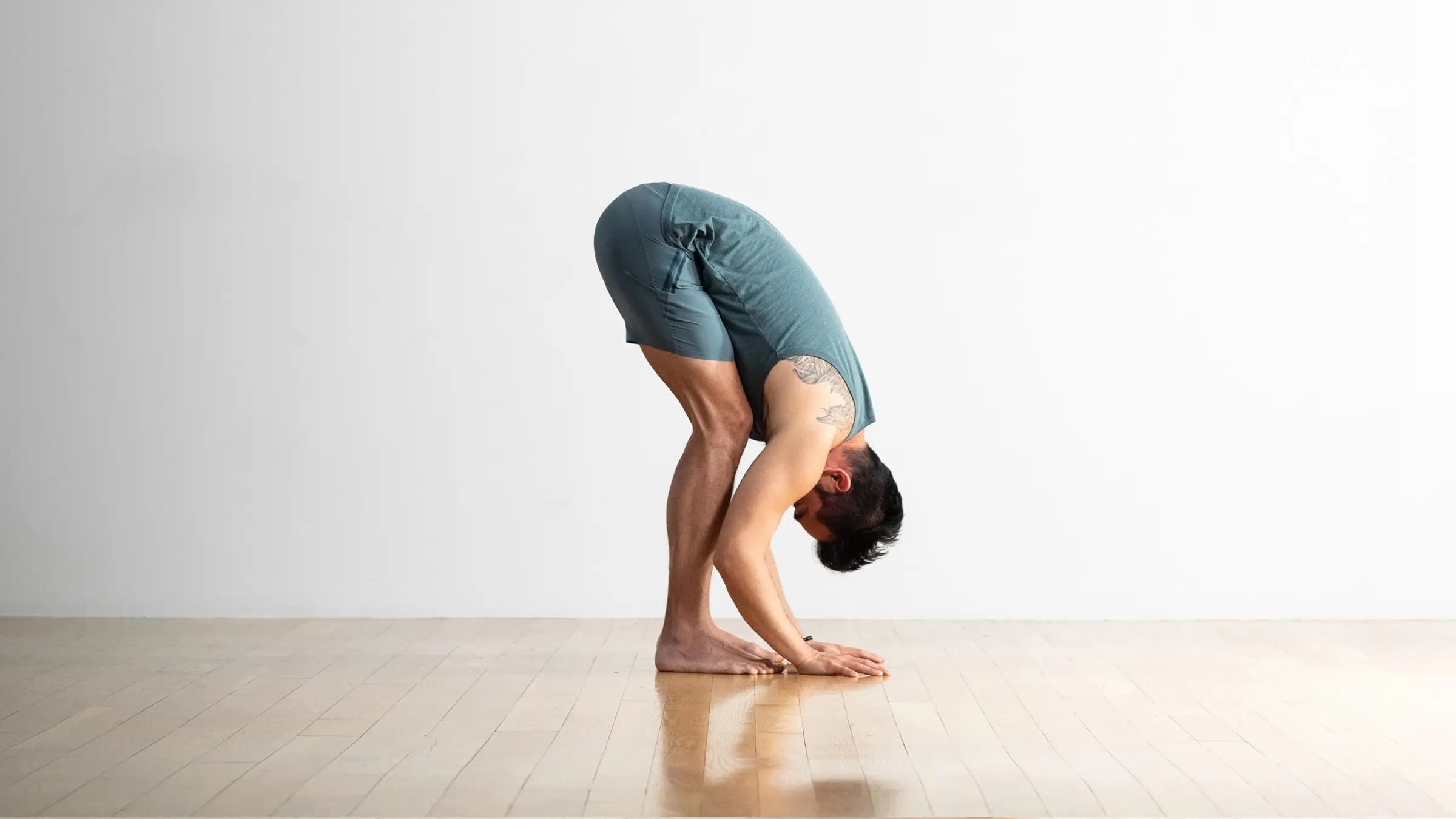
1. Standing Forward Bend (Uttanasana): The Spinal Decompressor
The Standing Forward Bend, particularly the "Rag Doll" variation, acts as a gentle gravity-assisted traction for the spine. By folding forward and allowing the head to hang heavy, you provide an immediate release for the neck and upper back.
- The Technique: Stand with feet hip-width apart. Generously bend your knees—this is crucial to protect the lower back. Fold forward, allowing your torso to drape over your thighs. If your shoulders are feeling particularly tight, clasp your opposite elbows and let your arms hang like heavy pendulums.
- The Benefit: This pose elongates the entire posterior chain, effectively countering the compression of sitting in a driver’s seat for an hour or more.
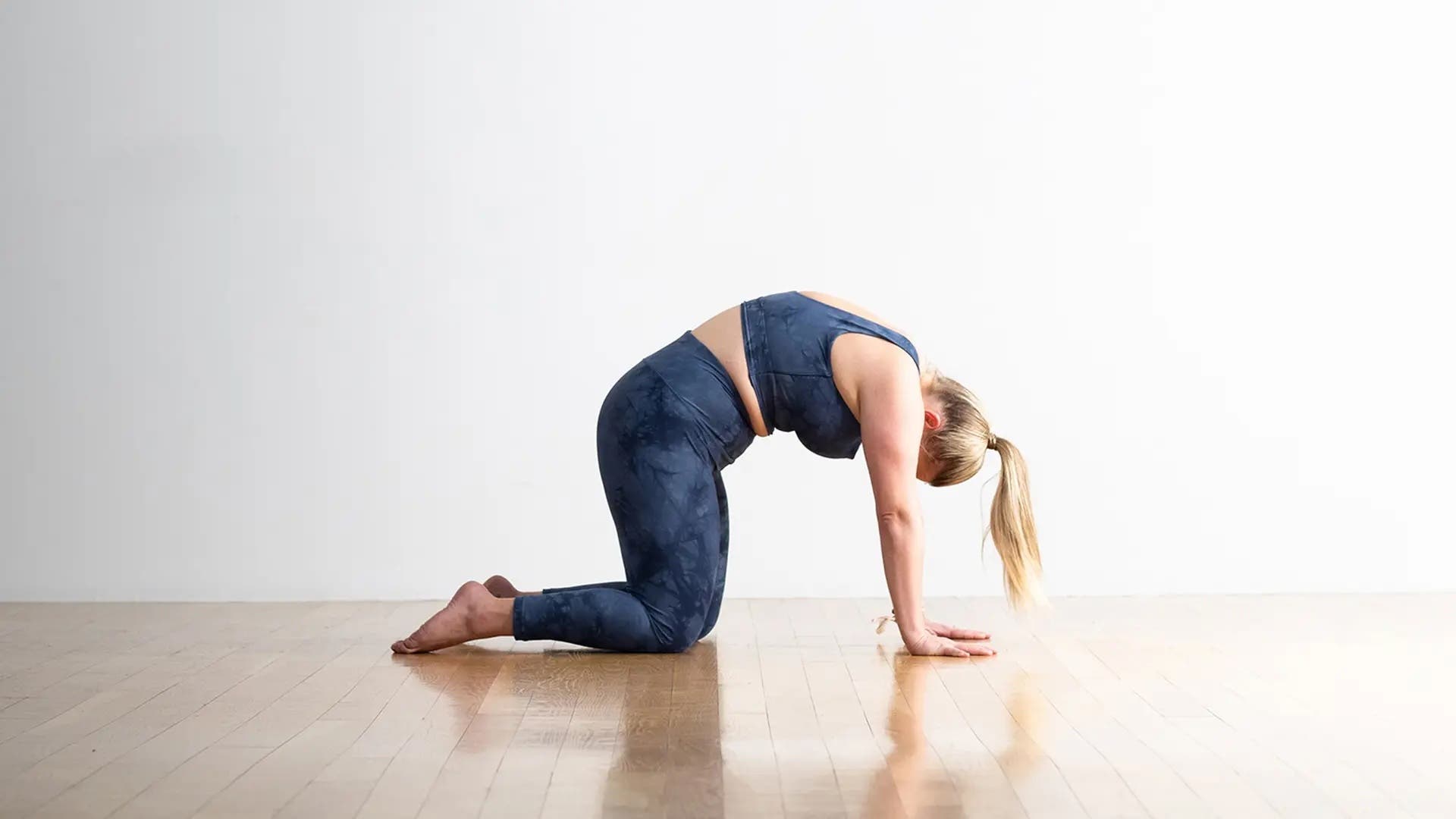
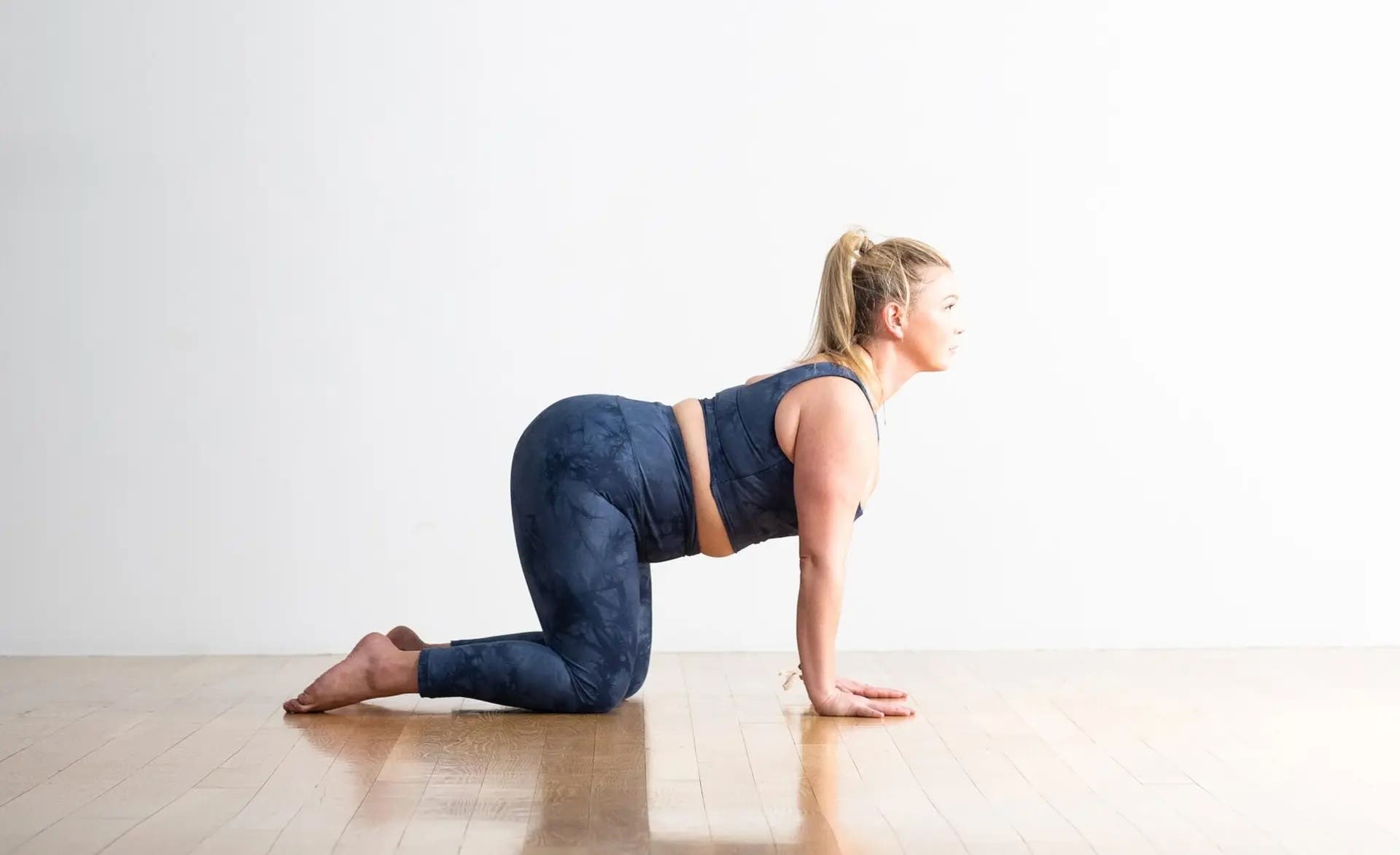
2. Cat-Cow Flow (Marjaryasana-Bitilasana): Mobilizing the Spine
Once you have arrived at your home or office, moving to the floor to engage in a Cat-Cow sequence allows for the rhythmic mobilization of the vertebrae.
- The Technique: Come to your hands and knees. On the exhale, round your spine toward the ceiling, tucking your chin to your chest (Cat Pose). On the inhale, drop your belly toward the floor, lifting your gaze and chest (Cow Pose).
- The Benefit: This flow acts as a lubricant for the spinal discs. By exaggerating the rounding and arching of the back, you are actively flushing out the stiffness that accumulates during a static commute.
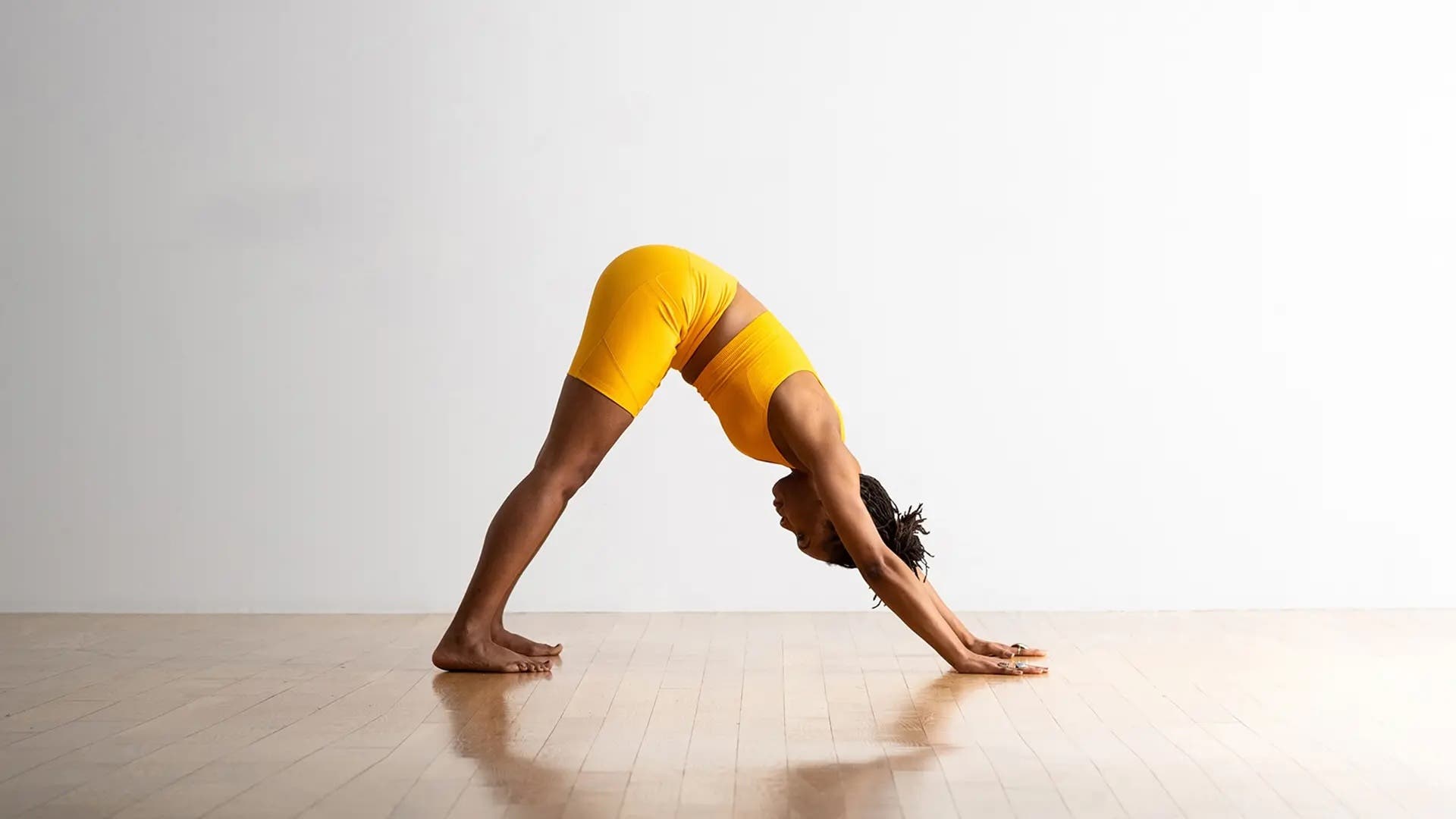
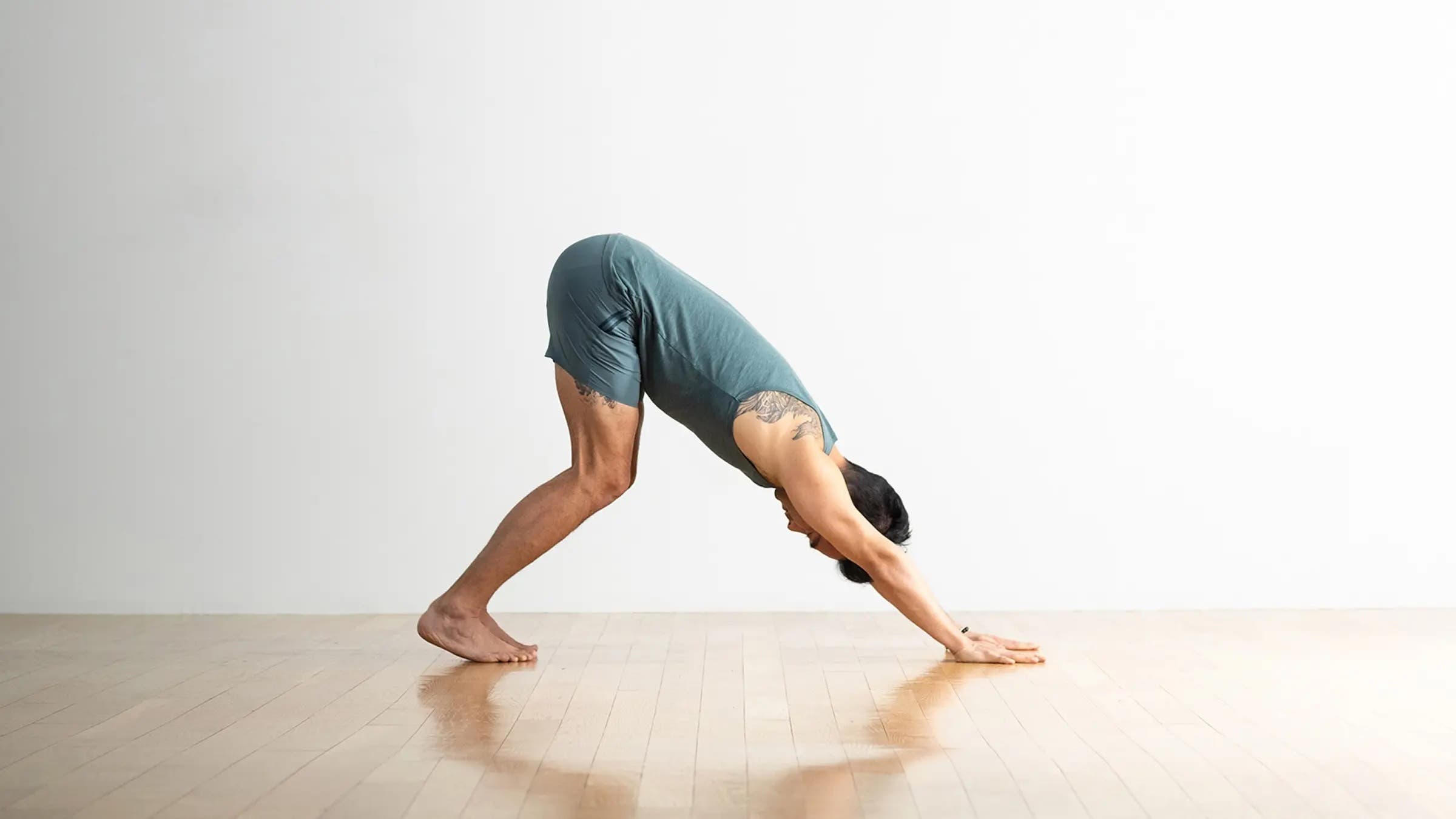
3. Downward-Facing Dog (Adho Mukha Svanasana): The Full-Body Reset
Downward-Facing Dog is perhaps the most recognizable pose in yoga, yet its effectiveness for the modern commuter is often overlooked.
- The Technique: From your hands and knees, tuck your toes and lift your hips toward the ceiling, creating an inverted "V" shape.
- The Benefit: While many focus on the hamstrings in this pose, the primary benefit for the commuter is the lengthening of the spine and the opening of the shoulder girdle. By keeping the knees bent, you shift the focus from a hamstring stretch to a spinal decompression exercise, allowing the shoulders to slide away from the ears and releasing deep-seated tension in the neck.
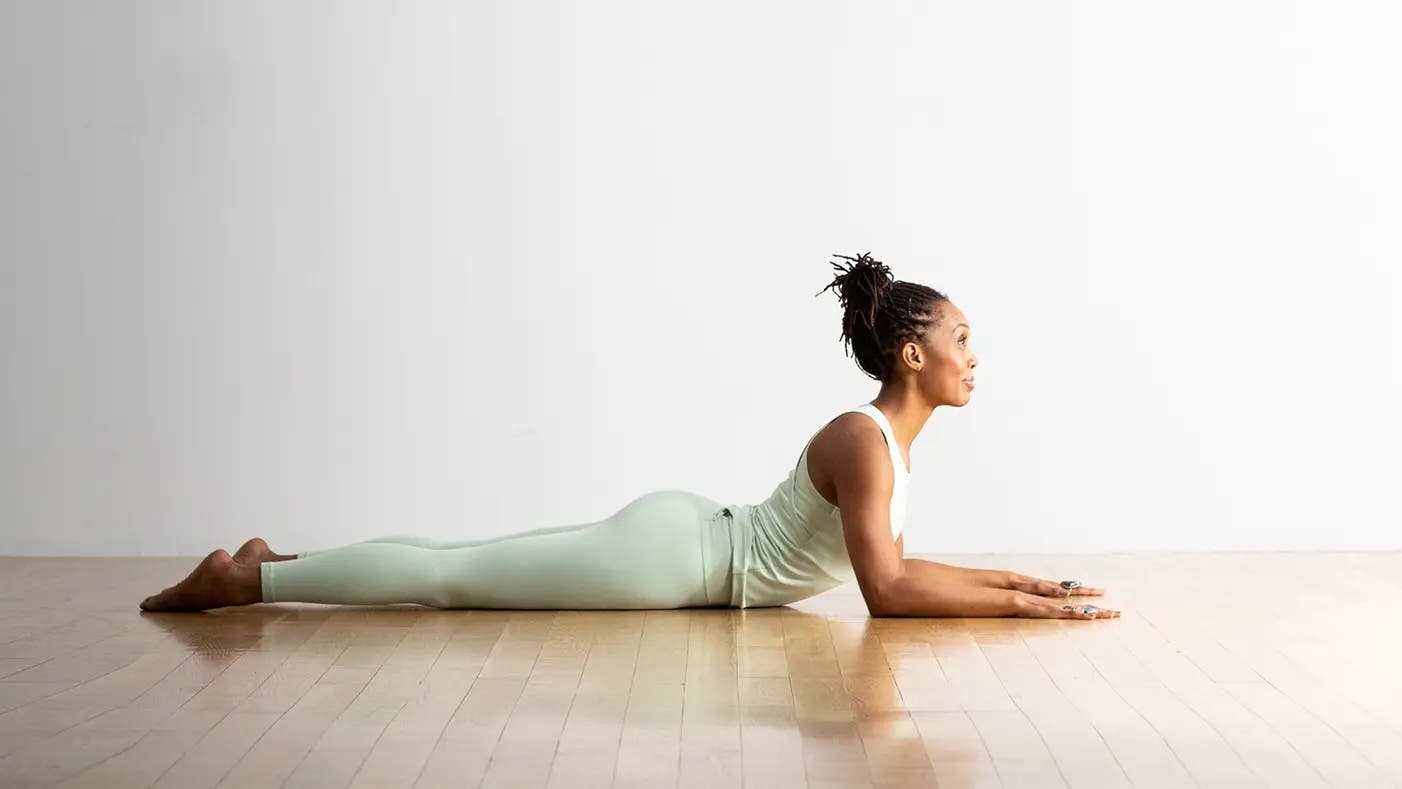
4. Sphinx Pose (Salamba Bhujangasana): Combatting the "Tech-Neck"
Modern commuting often involves looking down at phones or tablets, a phenomenon that has contributed to the rise of "tech-neck." Sphinx pose is the perfect corrective.
- The Technique: Lie on your stomach, placing your forearms on the floor with your elbows directly under your shoulders. Gently press into your forearms to lift your chest.
- The Benefit: This is a gentle backbend that encourages the heart to open, naturally correcting the forward-rounding of the shoulders. It provides a controlled stretch for the lower back without the intensity of a full Cobra or Upward-Facing Dog.
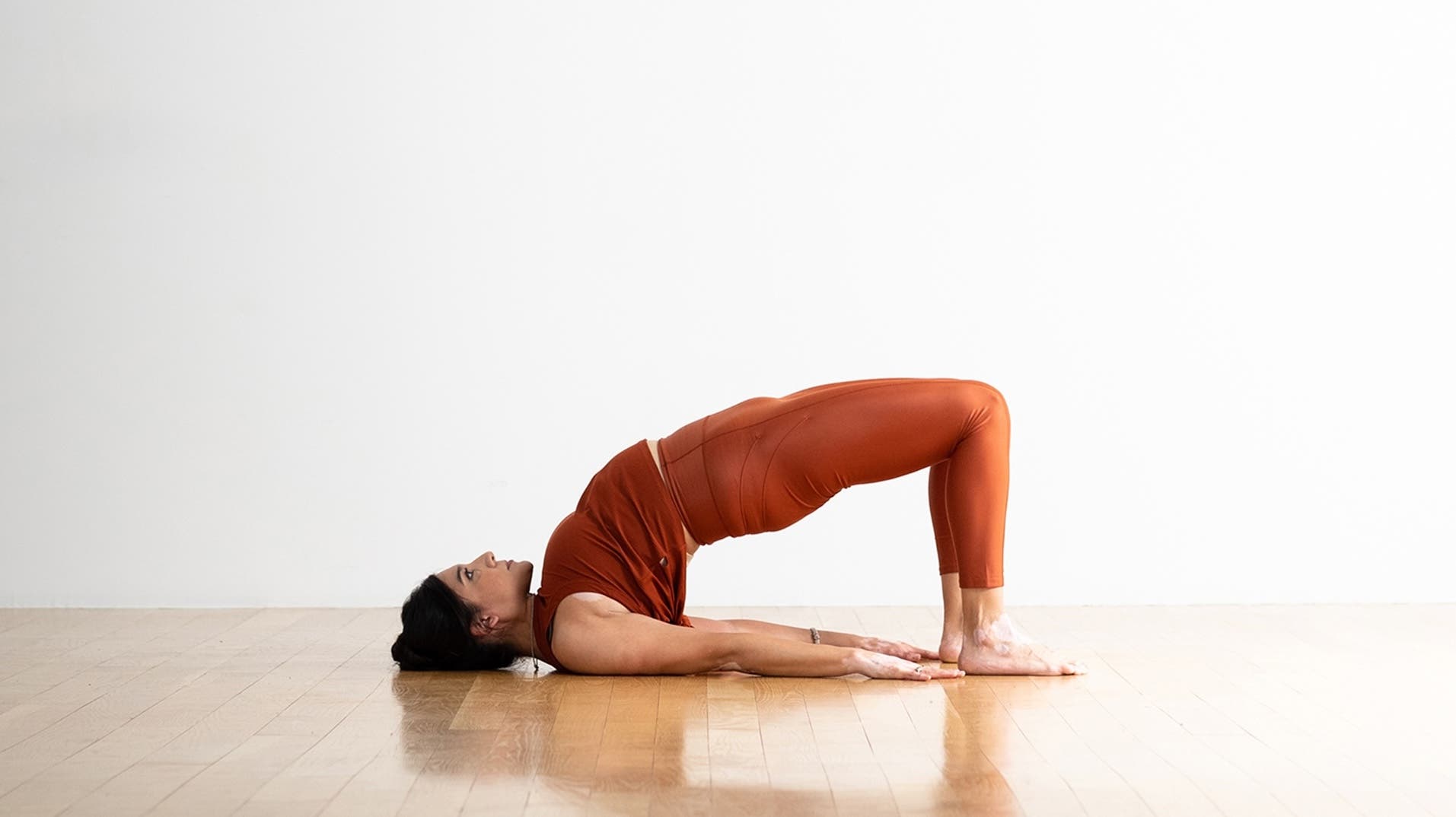
5. Bridge Pose (Setu Bandha Sarvangasana): Engaging and Releasing
After a long commute, the glutes often become "deactivated" or sleepy from lack of use. Bridge pose wakes them up.
- The Technique: Lie on your back, knees bent, feet flat on the floor. Slowly lift your hips toward the ceiling, engaging your core and glutes.
- The Benefit: This pose is an inversion that promotes calm while simultaneously strengthening the posterior chain. For those who need extra support, placing a yoga block or a firm cushion under the sacrum transforms this into a Restorative Bridge, allowing for a passive, deep release of the lower back.
Supporting Data and Clinical Implications
The correlation between prolonged commuting and chronic pain is well-documented in occupational health literature. A 2026 review of commute-related musculoskeletal disorders noted that individuals spending more than 45 minutes in a single transit session reported a 30% higher incidence of lumbar discomfort compared to those with shorter commutes.
Medical experts suggest that the "static load"—the weight of the body held in one position—is the primary culprit. When we move, our muscles act as pumps for blood and lymph; when we sit still, this circulation slows, leading to the accumulation of metabolic waste products in the muscle tissues. Yoga, through its combination of isometric holds and dynamic movement, reverses this stagnation.
Official Perspectives: A Shift Toward Movement
Physical therapists are increasingly incorporating yoga-based movements into their treatment plans for office workers and long-distance commuters. Dr. Elena Vance, a specialist in spinal health, notes: "The goal isn’t to become a master yogi. The goal is to introduce micro-movements that break the cycle of static compression. Even two minutes of movement after a drive can fundamentally change the way a person feels for the rest of their evening."
Furthermore, the rise of "prop-assisted" yoga—using bolsters, blocks, or even common household pillows—has made these practices more accessible to people of all fitness levels. By supporting the body, these props allow the nervous system to shift from a "fight or flight" stress state (common during traffic) into a "rest and digest" state, which is essential for muscular recovery.
Long-term Implications for Lifestyle
The long-term implications of ignoring commute-induced tension are significant. Left untreated, minor stiffness can progress into chronic issues such as sciatica, degenerative disc disease, and tension headaches. However, by adopting a "commuter recovery" mindset, individuals can reclaim their physical agency.
Incorporating these five poses into your daily routine is not just a fitness choice; it is an act of preventative healthcare. By acknowledging that our modern modes of transportation take a toll on our physiology, we can take proactive steps to mitigate the damage. Whether you choose to flow through all five poses or simply hold one for a few deep, intentional breaths, you are providing your body with the essential care it needs to thrive despite the demands of the modern commute.
As we look toward the future of urban mobility and work, the ability to integrate self-care into the "in-between" moments of life will become increasingly vital. Start small, listen to your body’s specific needs, and remember: you don’t have to carry your commute into your living room. You can leave it on the mat.