




In the modern wellness landscape, the term "detox" has become a ubiquitous buzzword. From juice cleanses to intermittent fasting and supplement-heavy regimens, the marketplace is flooded with quick-fix solutions promising physical restoration. Yet, amidst the noise of transient health trends, one ancient practice stands as the gold standard of holistic purification: Panchakarma.
Rooted in the 5,000-year-old tradition of Ayurveda, Panchakarma is not merely a weight-loss tool or a dietary reset; it is a sophisticated, highly personalized medical system designed to realign the body, mind, and spirit with the rhythms of nature. As we navigate a world of increasing sensory overload and environmental toxicity, the need for deep, cellular-level cleansing has never been more relevant.
The Philosophical Foundations of Ayurvedic Healing
Ayurveda, often translated as the "Science of Life," posits that human beings are not isolated entities but mirrors of the macrocosm—the universe itself. As Vasant Lad, a world-renowned Ayurvedic practitioner and scholar, frequently emphasizes, "You are the world and the world is you." This perspective forms the bedrock of Ayurvedic health, suggesting that every element of our existence—our diet, relationships, career, stress levels, and environment—is an active participant in our physical and mental health.
In the Ayurvedic framework, true health is defined as the harmony of body, mind, and spirit. When this balance is disrupted, we enter a state of vikruti (the state of imbalance), which stands in contrast to our prakruti (our unique, natural constitution). To manage these imbalances, Ayurveda employs two distinct therapeutic paths:
- Shamana (Palliative Support): This is the maintenance level of wellness. It involves lifestyle modifications, yoga, pranayama, dietary adjustments, and herbal support to soothe the doshas—the energetic forces governing our physiology.
- Shodhana (Cleansing/Detoxification): This is the corrective level of wellness. Shodhana is the systematic process of removing deep-seated toxins, or ama, to ensure that the body’s channels (srotas) are clear and that prana (life force) flows unimpeded.
Defining Panchakarma: Beyond the Digestive Tract
While many contemporary detox programs focus primarily on the gastrointestinal tract, Panchakarma operates on a significantly deeper physiological plane. Most commercial cleanses provide a "lightness" by resting the digestive system; however, they rarely address the deep-seated metabolic waste stored in the tissues.
Panchakarma is distinct because it is fundamentally individualistic. Because no two human beings share the same constitution or history of imbalance, no two Panchakarma programs are identical. The process works by mobilizing ama—toxins that have accumulated in deep tissues—and drawing them back into the digestive system for final elimination.
The Mechanism of Action
The process involves a multi-stage approach:
- Preparation: Before any deep cleansing occurs, the body is primed through specialized diets and oleation (the internal and external application of medicinal oils). This softens the tissues and loosens the toxins.
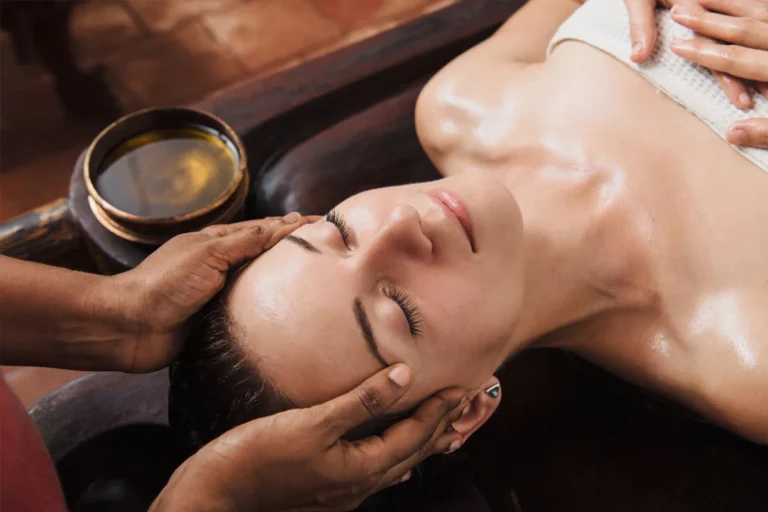
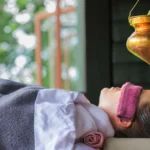
- The Mobilization Phase: Through treatments like abhyangas (therapeutic oil massages) and targeted herbal therapies, toxins are systematically released from the cells.
- Elimination: Utilizing specific procedures, including bastis (medicated enemas) and other topical applications, these mobilized toxins are gently but effectively flushed from the body.
A Chronology of the Cleansing Process
For those seeking to undergo a professional Panchakarma retreat, the journey is a carefully orchestrated sequence of events designed to maximize efficacy while ensuring the safety of the individual.
- Initial Consultation: A thorough pulse diagnosis and health history review by an Ayurvedic practitioner determine the specific vikruti and the necessary course of action.
- Pre-Panchakarma (Purvakarma): This phase lasts several days to weeks, depending on the individual. It involves strict dietary protocols and the ingestion of medicated ghee, alongside bodywork to prepare the system.
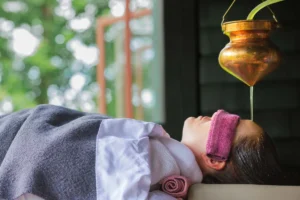
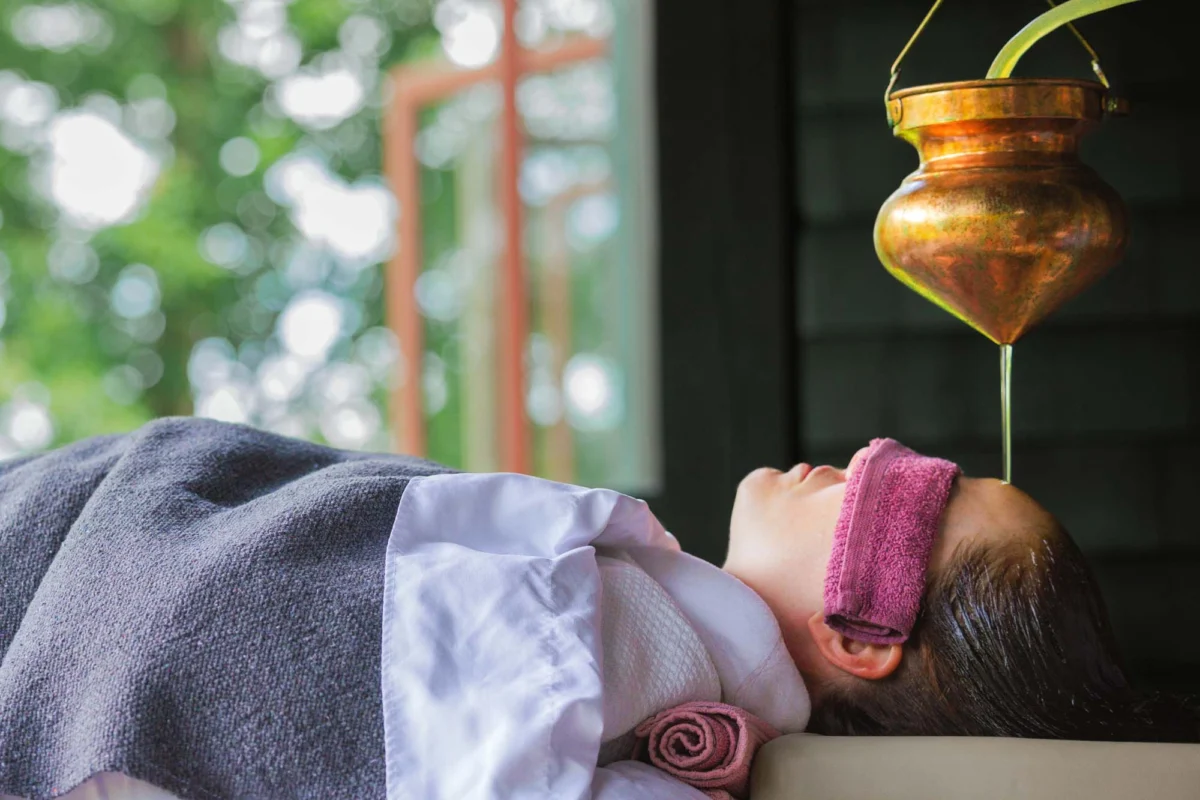
- The Intensive Phase: During the retreat, the client undergoes daily treatments. These are not merely relaxing spa services; they are medical procedures designed to facilitate the release of deep-seated biological waste.
- Post-Panchakarma (Paschatkarma): The "re-entry" phase. Because the body is in a sensitive, cleansed state, the transition back to regular life must be handled with dietary and lifestyle guidelines to rebuild the agni (digestive fire) and stabilize the newfound balance.
The Role of the Practitioner: Art and Science
The efficacy of Panchakarma is inextricably linked to the quality of care provided by the practitioner. Unlike a "do-it-yourself" juice fast, authentic Panchakarma requires constant, watchful observation.
At elite institutions like the SoHum Mountain Healing Resort, the process is a collaboration between the practitioner and the client. The practitioner monitors the release of ama daily, adjusting herbal formulas and treatment modalities in real-time. This requires a level of training that goes far beyond the memorization of classical texts. It demands an intuitive grasp of the client’s emotional and physical state.
Vasant Lad, who oversees training programs at The Ayurvedic Institute, underscores the necessity of compassion in this practice. The practitioner must hold the client in a space of awareness, ensuring that the cleansing process—which can sometimes be physically and emotionally taxing—is handled with grace and wisdom.
Supporting Data and Seasonal Alignment
Ayurveda advocates for a seasonal approach to health. The transition between seasons is a critical time when the body is most susceptible to imbalance. Ayurvedic wisdom suggests that most individuals should undergo 2–3 cleansing cycles per year to maintain optimal vitality.
By cleansing at the turn of the seasons, individuals can stay ahead of chronic health issues. This proactive maintenance keeps the doshas in check and ensures that the body is resilient enough to handle the environmental stressors of the coming months.
However, it is vital to note that cleansing is not a universal mandate. An Ayurvedic practitioner must first assess whether an individual has the "strength" to endure a deep cleanse. A body that is already severely depleted or suffering from specific acute conditions may require Shamana (palliative) support before it is ready for the rigorous process of Shodhana.
Implications for Modern Healthcare
The implications of integrating Panchakarma into the broader healthcare dialogue are profound. As chronic lifestyle diseases continue to rise, the limitations of symptom-suppressive medicine are becoming increasingly apparent. Panchakarma offers a different paradigm: one that prioritizes root-cause resolution and the restoration of the body’s innate self-healing mechanisms.
Bridging Ancient Wisdom and Modern Life
The resurgence of interest in Panchakarma represents a shift in how society views "detox." We are moving away from the idea that a detox is a way to "purge" calories after a weekend of excess, and toward an understanding that it is a sophisticated method of cellular maintenance.
For many, a Panchakarma retreat serves as a "reset button" for the nervous system. In an age of digital hyper-stimulation, the quiet, disciplined environment of a retreat allows for the downregulation of the sympathetic nervous system, providing a rare opportunity for deep psychological and physical recalibration.
Conclusion: A Call to Conscious Healing
Choosing to undergo Panchakarma is a significant commitment. It requires time, dedication, and the willingness to step out of the frantic pace of modern life. However, for those who take the journey under the guidance of qualified, compassionate practitioners, the rewards are substantial.
By clearing the channels of the body and restoring the flow of prana, we do more than just improve our digestion or skin health—we cultivate a state of being that is more resilient, more balanced, and more in tune with the world around us.
As the field of integrative medicine continues to evolve, the ancient, time-tested wisdom of Ayurveda remains a beacon of light. Whether you are seeking to address a chronic health imbalance or simply wish to align your lifestyle with the rhythms of the earth, Panchakarma provides a pathway back to your natural state of health.
For those interested in exploring this path, the first step is education. Whether through the rigorous academic programs at The Ayurvedic Institute or by experiencing a guided retreat at a center like SoHum Mountain Healing Resort, the journey toward deep, holistic healing begins with the decision to prioritize one’s long-term vitality over short-term convenience.
For further inquiries regarding the science of Panchakarma or to explore professional training programs, please consult with certified Ayurvedic practitioners who emphasize both the clinical rigor and the compassionate heart of this ancient healing art.