











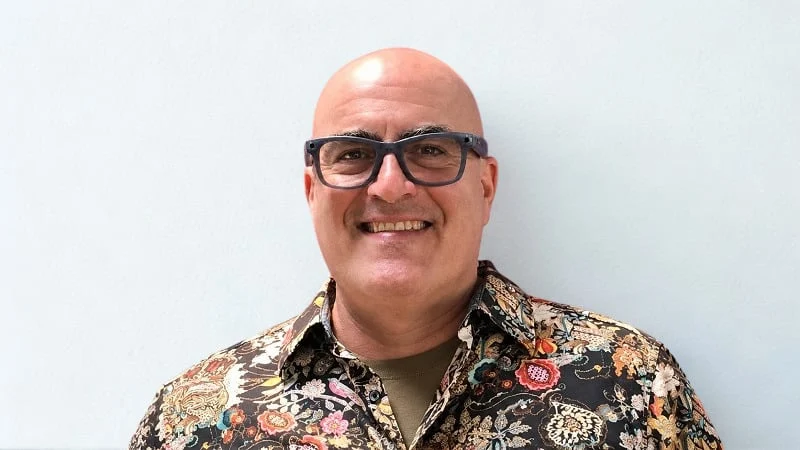
MELBOURNE, FL – [Date of Publication] – Kalogon, a pioneering force in smart seating technology, today announced the strategic appointment of Marty Evans as its inaugural Chief Technology Officer (CTO). This pivotal hire marks a significant milestone for the company, renowned for its innovative adaptive seating solutions, as it prepares to dramatically expand its footprint beyond its established medical applications into high-stakes sectors such as aviation and other demanding environments where prolonged sitting is a critical concern.
Evans, a veteran consumer-hardware engineer with an illustrious career spanning over 25 years at industry giants like Microsoft, Meta, Magic Leap, HP, and Valve, brings an unparalleled depth of expertise in designing, developing, and shipping complex consumer electronics. His appointment is a clear signal of Kalogon’s ambition to accelerate its technological advancement and scale its smart seating platforms to address a broader spectrum of human needs, from enhancing the comfort and health of wheelchair users to revolutionizing the experience of pilots and passengers enduring long hours in the air.
As CTO, Evans will spearhead Kalogon’s engineering and product development teams, overseeing the strategic direction and execution of its technology roadmap. His extensive background in integrating cutting-edge hardware with intuitive user experiences is expected to be instrumental as Kalogon transitions its proven pressure-sensing and adaptive cushioning technology into new, high-growth markets. The move underscores a growing recognition that advanced ergonomic and health-focused seating is not merely a luxury but a necessity across various industries.
Main Facts: A New Era for Adaptive Seating
Kalogon’s announcement of Marty Evans as its first Chief Technology Officer is a transformative moment for the company, reflecting a clear strategic pivot towards aggressive growth and market diversification. Evans’ arrival is not just about filling a leadership role; it’s about injecting decades of high-level consumer hardware innovation into a company poised to redefine what seating can achieve.
The core of Kalogon’s mission has always revolved around improving quality of life through intelligent seating. Historically, this has focused on developing sophisticated cushions for wheelchair users, aimed at preventing pressure injuries and enhancing comfort. With Evans at the helm of technology development, Kalogon is now setting its sights on a much broader horizon. The company explicitly states its intention to extend its smart seating technology to "more people who spend hours in a seat," specifically naming pilots and passengers in the aviation sector, alongside its continued commitment to wheelchair users.
This expansion is underpinned by concrete advancements, particularly Kalogon’s engagement with the U.S. Air Force. The company has secured multiple Small Business Innovation Research (SBIR) Phase II grants totaling $3.5 million, dedicated to adapting its seating solutions for B-52 and E-4B aircrews. These grants highlight a critical need within military aviation, where personnel can spend 30 to 40 hours in seats that, in many cases, were designed decades ago and lack the adaptive capabilities required for modern missions. Initial Air Force testing has yielded remarkable results, demonstrating a 51% reduction in peak pressure and significantly mitigating pilot fatigue – outcomes that carry profound implications for safety, operational efficiency, and the overall well-being of aircrews.
Evans’ unique blend of military avionics experience and consumer electronics prowess makes him an ideal fit for this ambitious trajectory. His career has consistently involved pushing the boundaries of what hardware can do, always with an eye toward enhancing the user experience. At Kalogon, this philosophy of "empathy-driven design" will be central to translating complex adaptive seating technology into seamless, impactful solutions across diverse environments. The appointment signifies Kalogon’s readiness to mature from a specialized medical device innovator into a comprehensive smart seating technology provider, leveraging its foundational expertise to address widespread ergonomic and health challenges in seated occupations and activities globally.
Chronology: From F-16s to Future-Forward Seating
Marty Evans’ career trajectory is a testament to a lifelong dedication to cutting-edge technology and problem-solving, perfectly aligning with Kalogon’s innovative spirit. His journey offers a fascinating chronological narrative, weaving together military precision, academic rigor, and the relentless pace of consumer electronics development.
Marty Evans: A Career Forged in Innovation
Evans’ professional journey began not in Silicon Valley, but in the demanding world of military aviation. As a U.S. Air Force avionics technician, he was entrusted with the maintenance of some of the most advanced fighter jets of his era: the F-16 Fighting Falcon and the legendary F-117A Nighthawk stealth fighter. This early experience instilled in him an uncompromising approach to engineering, where precision, reliability, and the ability to diagnose and solve complex technical issues under pressure were paramount. Working with these critical aircraft provided a foundational understanding of integrated systems, sophisticated sensors, and the absolute necessity of robust design – principles that would later permeate his work in consumer hardware. The F-117A, in particular, represented the cutting edge of aerospace technology, requiring a deep understanding of its intricate electronic warfare systems and stealth capabilities.
After his distinguished military service, Evans pursued higher education, earning an electrical engineering degree with top honors. This academic achievement served as a springboard into the burgeoning consumer electronics industry in 1999, a period marked by rapid technological advancements and the increasing integration of digital technologies into everyday devices.
His civilian career saw him contribute significantly to some of the most iconic and innovative products of the last two decades. At HP, he honed his skills in developing mass-market hardware. His tenure at Microsoft saw him work on the pioneering Surface product line, a family of devices that redefined the laptop-tablet hybrid category and pushed boundaries in industrial design and hardware-software integration. This role was crucial for developing an understanding of how to create premium, user-centric experiences from the ground up.
Evans then moved to Valve, a company renowned for its innovative approach to gaming and hardware, further broadening his experience in bleeding-edge consumer technology. His expertise in electrical engineering then led him to Meta’s Reality Labs, where he served as director. Here, he was at the forefront of developing augmented and virtual reality devices, tackling immense challenges related to miniaturization, complex sensor integration, power management, and creating immersive user experiences. These roles demanded not only technical brilliance but also a forward-thinking approach to product development, anticipating future needs and capabilities.
Most recently, prior to joining Kalogon, Evans held the position of VP of Engineering at Magic Leap, a company at the vanguard of spatial computing. His work there involved pushing the limits of mixed reality hardware, further solidifying his reputation as a leader capable of transforming ambitious technological visions into tangible products. Across these diverse roles, Evans amassed a remarkable portfolio of over 20 patents, spanning critical areas such as pressure sensing, wireless charging, electromechanical actuation, power management, and accessory usability. This extensive patent portfolio underscores his creative problem-solving capabilities and his broad technical command over the core components that make up advanced consumer devices.
Kalogon: An Evolution in Adaptive Seating
Kalogon’s journey, though shorter than Evans’ career, is equally defined by innovation and a commitment to addressing unmet needs. The company was founded with a clear mission: to revolutionize seating, particularly for individuals who spend prolonged periods in wheelchairs. Traditional wheelchair cushions, while providing some support, often fall short in preventing pressure injuries (also known as bedsores or decubitus ulcers), which are a significant health concern, leading to pain, infections, and reduced quality of life.
Kalogon’s early success stemmed from developing "smart seating" technology that dynamically adapts to the user’s body. This involves sophisticated pressure sensing capabilities that identify areas of high pressure and then intelligently adjust the cushion’s shape or support to redistribute weight, thereby alleviating pressure points and improving circulation. This adaptive technology marked a significant departure from static cushioning solutions, offering a proactive approach to pressure injury prevention and enhanced comfort.
The company’s foundational work in the medical and rehabilitation sectors established its credibility and proved the efficacy of its technology. This success, coupled with the inherent versatility of its adaptive seating principles, naturally led Kalogon to explore broader applications. The strategic decision to expand beyond its core market was driven by the realization that the problems of prolonged sitting – discomfort, fatigue, and health risks – are universal. The insights gained from perfecting solutions for the most vulnerable users (wheelchair users) provided a robust platform for addressing similar challenges in other demanding environments.
The convergence of Evans’ deep experience in scaling complex hardware for diverse user bases and Kalogon’s proven adaptive seating technology creates a powerful synergy. His appointment is a timely move as Kalogon looks to translate its specialized expertise into mainstream and niche industrial applications, starting with the high-stakes world of aviation. This strategic alignment promises to accelerate Kalogon’s evolution from a niche medical device innovator to a dominant player in the global smart seating market.
Supporting Data: The Science of Comfort and Performance
The efficacy and transformative potential of Kalogon’s smart seating technology are grounded in robust data and a deep understanding of biomechanics and user experience. The company’s expansion into new markets, particularly aviation, is not merely speculative but is driven by compelling evidence of its technology’s ability to deliver tangible improvements in comfort, health, and performance.
Kalogon’s Core Technology: Adaptive Intelligence for Seating
At its heart, Kalogon’s smart seating technology is an advanced system designed to continuously monitor and adapt to the user’s pressure distribution. While the exact proprietary mechanisms are not fully disclosed, the underlying principles involve:
- Pressure Sensing: An array of embedded sensors meticulously maps the pressure exerted by the body on the seating surface. This real-time data provides a precise understanding of weight distribution and identifies potential pressure points.
- Intelligent Algorithms: Sophisticated algorithms analyze the pressure data, recognizing patterns and predicting areas where pressure buildup is likely to occur over time. These algorithms are informed by extensive research into ergonomics, human physiology, and the causes of pressure injuries.
- Dynamic Actuation: Based on the algorithmic analysis, the cushion actively adjusts its shape, firmness, or air pressure in specific zones. This dynamic adaptation ensures that pressure is continuously redistributed, preventing prolonged stress on any single area. This could involve electromechanical actuation, pneumatic adjustments, or other innovative methods.
- Personalization and Feedback: The system is designed to learn and adapt to individual user needs, potentially offering personalized profiles and feedback mechanisms to optimize comfort and health benefits.
For wheelchair users, this technology translates into a dramatically improved quality of life. Pressure injuries are not only painful but can lead to severe complications, including infections, hospitalization, and even death. By actively managing pressure, Kalogon’s cushions significantly reduce the incidence and severity of these injuries, fostering greater independence and well-being.
The Aviation Imperative: Data from the U.S. Air Force
Kalogon’s foray into aviation is a prime example of applying its core technology to a new, high-stakes environment. The collaboration with the U.S. Air Force underscores a critical need for advanced seating solutions in military aircraft. Aircrews in platforms like the B-52 bomber and the E-4B National Airborne Operations Center (often referred to as the "Doomsday Plane") can spend an astounding 30 to 40 hours in their seats during extended missions. These seats, often designed decades ago, lack modern ergonomic features and adaptive capabilities, leading to significant discomfort, fatigue, and potential long-term health issues.
The U.S. Air Force recognized this challenge and, through the Small Business Innovation Research (SBIR) program, awarded Kalogon multiple Phase II grants totaling $3.5 million. These grants facilitate the adaptation and testing of Kalogon’s smart seating for these specific airframes. The initial testing results are compelling and provide a strong empirical basis for the technology’s effectiveness:
- 51% Reduction in Peak Pressure: This is a monumental achievement. Reducing peak pressure by more than half directly addresses the root cause of pressure injuries and discomfort. In the context of aviation, it means less localized stress on the body, improved circulation, and a substantial reduction in the risk of developing pressure-related issues during exceptionally long flights.
- Significantly Reduced Pilot Fatigue: Fatigue is a critical factor in aviation safety and mission effectiveness. Pilots experiencing less physical discomfort are better able to maintain alertness, focus, and cognitive function over extended periods. This has direct implications for decision-making, reaction times, and overall operational safety. While the specific metric for "significantly reduced" isn’t quantified in the provided text, such a statement in an official military test context implies a statistically relevant and practically impactful improvement.
These results are not merely about comfort; they are about enhancing the operational readiness and long-term health of critical personnel. For the Air Force, this translates to improved mission success rates, reduced medical costs, and better retention of highly trained aircrews.
Bridging to Commercial Aviation and Beyond
The success in military aviation presents a clear roadmap for Kalogon’s expansion into commercial aviation. Long-haul commercial flights routinely see passengers and crew spending 10-18 hours or more in their seats. The benefits observed in military testing—reduced pressure and fatigue—are directly transferable:
- Passenger Comfort: Enhanced comfort can dramatically improve the travel experience, particularly for business travelers and those on ultra-long-haul routes. This could become a significant differentiator for airlines.
- Crew Well-being: Flight attendants and pilots on commercial routes also suffer from prolonged sitting. Kalogon’s technology could improve their health and alertness, contributing to safer operations.
- Health Benefits: Reduced risk of deep vein thrombosis (DVT) and other circulation-related issues, which are concerns on long flights.
- Economic Implications: For airlines, investing in superior seating could lead to higher customer satisfaction, repeat business, and potentially even reduced liability related to passenger health complaints.
Beyond aviation, the principles of adaptive seating have vast applications. Consider:
- Office Environments: The rise of remote work and extended screen time has exacerbated ergonomic issues. Smart office chairs could combat sedentary health risks and improve productivity.
- Automotive Industry: Long commutes and road trips could be transformed with seats that actively adapt to the driver and passengers, reducing fatigue and improving safety.
- Heavy Equipment Operators: Individuals operating construction machinery, long-haul trucks, or agricultural equipment often face severe ergonomic challenges. Kalogon’s technology could mitigate chronic pain and improve operator performance.
The supporting data from military applications provides a powerful proof point that Kalogon’s technology is not just innovative but demonstrably effective in real-world, high-stress scenarios. This evidence base is crucial as the company, under Marty Evans’ leadership, seeks to disrupt and redefine seating across multiple industries.
Official Responses: Vision and Synergy
The appointment of Marty Evans has been met with enthusiasm from both the incoming CTO and Kalogon’s leadership, articulating a shared vision for the company’s future and the profound synergy created by this strategic hire. Their official statements provide crucial insights into the cultural fit, technological direction, and ambitious goals underpinning this new chapter.
Marty Evans: A Full Circle Moment Driven by Empathy
Marty Evans’ statement reflects a deep personal and professional resonance with Kalogon’s mission, describing the move as "coming full circle." This phrase holds multiple layers of meaning. On one hand, it refers to his return to the realm of aviation technology, having started his career as an avionics technician in the U.S. Air Force. Now, he’s back, applying his advanced hardware expertise to improve the seating for current aircrews, an area deeply familiar to him.
Beyond the literal, "coming full circle" also speaks to a return to a fundamental principle: getting "closer to the technology again while applying the same principles of empathy-driven design to a new sector." Throughout his career, from designing cutting-edge AR/VR devices to creating sophisticated consumer hardware, Evans has consistently championed a design philosophy centered on understanding and addressing user needs. He draws a direct parallel between his work in augmented reality and adaptive seating:
- AR’s Goal: "explored ways technology could extend someone’s abilities, from helping someone follow a conversation in a noisy room to making visual information easier to see." This highlights the empowering nature of technology when designed with empathy.
- Adaptive Seating’s Goal: "calls for the same mindset — understanding what each person needs, then using hardware and thoughtful design to improve their daily experience." This succinctly captures Kalogon’s core ethos and Evans’ commitment to it. He emphasizes that the technology should not just exist but should seamlessly integrate into and enhance a person’s life.
His reference to "finding a team of passionate engineers, makers and tinkerers doing exactly that, right here in Melbourne, felt like a match made in engineering heaven," speaks volumes about the cultural alignment. It suggests that Kalogon possesses not only groundbreaking technology but also a vibrant, dedicated team that shares his passion for hands-on innovation and user-centric design. This cultural fit is often as critical as technical prowess in driving successful product development. Evans’ enthusiasm for the team and the location further solidifies the strategic soundness of his decision to join Kalogon.
Tim Balz, Founder and CEO of Kalogon: Accelerating Innovation and Market Expansion
Tim Balz, Kalogon’s founder and CEO, articulates a clear vision for how Evans’ expertise will propel the company forward. Balz’s statement focuses on Evans’ proven track record and the strategic advantages he brings:
- Mastery of Complex Hardware: "Marty has built some of the most sophisticated consumer devices on the market." This acknowledgment of Evans’ past achievements underscores the caliber of talent Kalogon has attracted. It signals that the company is serious about scaling its technology to meet the rigorous demands of mass production and diverse market applications.
- The Art of Seamless Technology: "he knows how to make advanced technology disappear into the background of someone’s day. That’s exactly what great seating should do." This insight is crucial. Truly effective technology is often invisible, seamlessly enhancing the user experience without requiring conscious effort or attention. For adaptive seating, this means the technology should provide comfort and health benefits without being cumbersome or distracting. This philosophy is a cornerstone of user-centric design and is vital for broad market adoption.
- Accelerated Growth and Diversification: "His experience will help us move faster as we take what we’ve learned from wheelchair users into new places people sit, including the airplane cabin." The phrase "move faster" is particularly telling. It implies an acceleration of Kalogon’s research and development cycles, quicker iteration on prototypes, streamlined production processes, and more rapid market entry. This is critical for a company looking to capitalize on new opportunities in sectors like aviation, where the competitive landscape and regulatory requirements can be complex. Balz’s emphasis on leveraging lessons from wheelchair users highlights the foundational strength of Kalogon’s technology and its inherent adaptability.
Together, the statements from Evans and Balz paint a picture of a company poised for significant growth, guided by a new CTO whose vast experience in consumer hardware and empathy-driven design perfectly complements Kalogon’s innovative spirit and strategic ambitions. The synergy between Evans’ background and Kalogon’s mission is evident, promising a future where adaptive seating technology becomes a ubiquitous solution for enhancing human well-being across myriad environments.
Implications: Reshaping the Future of Seating
The appointment of Marty Evans as Kalogon’s first Chief Technology Officer is not merely a personnel announcement; it carries profound implications for Kalogon, the broader seating industry, and ultimately, for how people experience prolonged sitting across various facets of life. This strategic move signals a future where seating is no longer a passive component but an active, intelligent system designed to enhance health, comfort, and performance.
For Kalogon: A Trajectory of Accelerated Innovation and Market Leadership
Evans’ arrival solidifies Kalogon’s leadership team with a veteran whose expertise spans the entire product lifecycle, from concept to mass production. This will undoubtedly:
- Accelerate R&D and Product Development: With Evans’ extensive background in bringing complex hardware to market efficiently, Kalogon can expect to streamline its engineering processes, shorten development cycles, and rapidly iterate on new product designs. His 20+ patents suggest a mind geared towards continuous innovation, which will likely lead to an enriched pipeline of new features and advanced adaptive technologies.
- Strengthen Scalability and Manufacturing: Moving from specialized medical devices to broader consumer and industrial markets requires robust manufacturing capabilities and a deep understanding of supply chain management. Evans’ experience with high-volume consumer electronics will be invaluable in scaling Kalogon’s production and ensuring quality control.
- Expand Market Reach and Diversification: The immediate focus on aviation, propelled by the success of the U.S. Air Force trials, positions Kalogon to become a leader in smart cockpit and cabin seating. Beyond this, Evans’ vision for "empathy-driven design" will naturally lead to explorations in other high-potential markets like office furniture, automotive seating, and even specialized industrial applications, significantly broadening Kalogon’s revenue streams and market influence.
- Attract Top Talent: A CTO of Evans’ caliber will undoubtedly enhance Kalogon’s appeal to top-tier engineering and design talent, creating a virtuous cycle of innovation and growth within the company.
For the Seating Industry: A Paradigm Shift Towards Active Intelligence
Kalogon’s strategic expansion, spearheaded by Evans, is poised to disrupt traditional seating markets. The implications for the industry are significant:
- Setting New Industry Standards: Kalogon’s success in adaptive seating, particularly with proven results in demanding environments like military aviation, will likely establish new benchmarks for comfort, health, and performance in seating. Competitors will be compelled to innovate and integrate similar smart technologies to remain relevant.
- Convergence of Technologies: The company’s work represents a convergence of medical technology, consumer electronics, and specialized industry applications. This interdisciplinary approach will likely inspire other manufacturers to explore incorporating advanced sensors, AI/ML algorithms, and dynamic actuation into their products, moving away from static designs.
- Focus on Health and Wellness: The emphasis on preventing pressure injuries and reducing fatigue highlights a growing societal awareness of the health implications of prolonged sitting. Kalogon’s leadership in this area will likely drive the entire industry towards a greater focus on health and wellness features in all types of seating.
- Personalization as a Key Differentiator: The adaptive nature of Kalogon’s technology points towards a future where seating is highly personalized, adjusting dynamically to individual user biometrics and preferences. This level of customization will become a critical competitive advantage.
Broader Societal Impact: Enhancing Human Well-being and Productivity
The ultimate implications extend beyond industry dynamics to touch the lives of countless individuals:
- Improved Quality of Life for Diverse Populations: From wheelchair users regaining greater independence and comfort to pilots experiencing reduced fatigue on critical missions, Kalogon’s technology has the potential to significantly improve the daily experience and long-term health of a wide range of individuals.
- Enhanced Safety and Performance: In high-stakes environments like aviation, reduced pilot fatigue directly translates to enhanced safety and improved mission effectiveness. Similar benefits could extend to long-haul truck drivers, heavy equipment operators, and other professionals who spend extensive hours seated.
- Increased Productivity and Well-being: For office workers, adaptive seating could mitigate the negative health impacts of sedentary lifestyles, leading to increased comfort, focus, and overall productivity. Reduced discomfort also translates to fewer sick days and improved employee morale.
- Democratization of Advanced Ergonomics: What began as a solution for a specific medical need is now being scaled to benefit a much wider audience. This represents a democratization of advanced ergonomic and health-focused technologies, making superior seating accessible to more people.
- A Model for Empathy-Driven Technology: Marty Evans’ philosophy of "empathy-driven design" underscores the growing importance of human-centered approaches in technology development. Kalogon’s journey can serve as a powerful case study for how deep understanding of user needs, combined with cutting-edge engineering, can lead to truly impactful and transformative products.
In conclusion, Marty Evans’ appointment as CTO marks a pivotal moment for Kalogon, signaling a bold expansion strategy fueled by technological prowess and a deep commitment to user well-being. As Kalogon leverages its foundational expertise in adaptive seating to conquer new markets, it stands poised to reshape not just the seating industry, but also the fundamental human experience of sitting, driving a future where comfort, health, and performance are seamlessly integrated into every seat.
To learn more, visit https://www.kalogon.com.