









For decades, the global medical community has waged a relentless battle against high cholesterol—a silent, systemic threat that erodes arterial integrity and serves as a primary precursor to heart disease, strokes, and atherosclerosis. While statins have long stood as the gold-standard treatment, a groundbreaking study from an international team of researchers at the University of Barcelona and the University of Oregon suggests that a more precise, gene-focused era of cardiovascular medicine is on the horizon.
By utilizing "polypurine hairpins" (PPRHs)—specialized DNA molecules designed to silence the genetic instructions for a protein that drives high cholesterol—scientists have successfully reduced cholesterol levels in animal models by nearly 50%. This experimental approach, published in the journal Biochemical Pharmacology, represents a significant departure from traditional pharmacology, offering a potential path toward treatments that are not only more effective but also devoid of the common side effects associated with conventional cholesterol-lowering drugs.
The Silent Killer: Understanding the PCSK9 Pathway
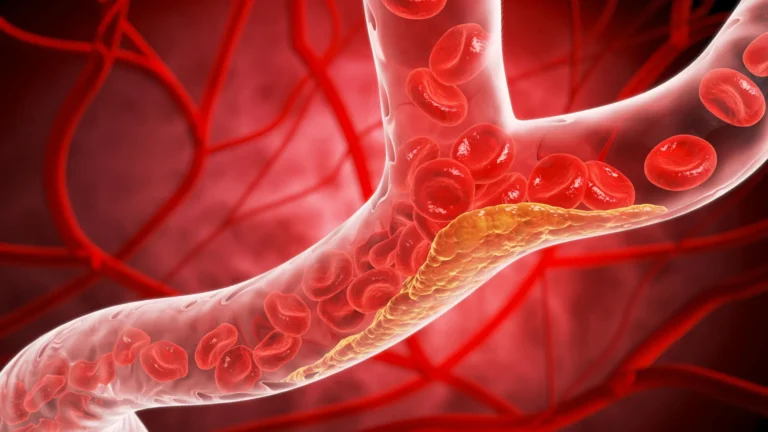
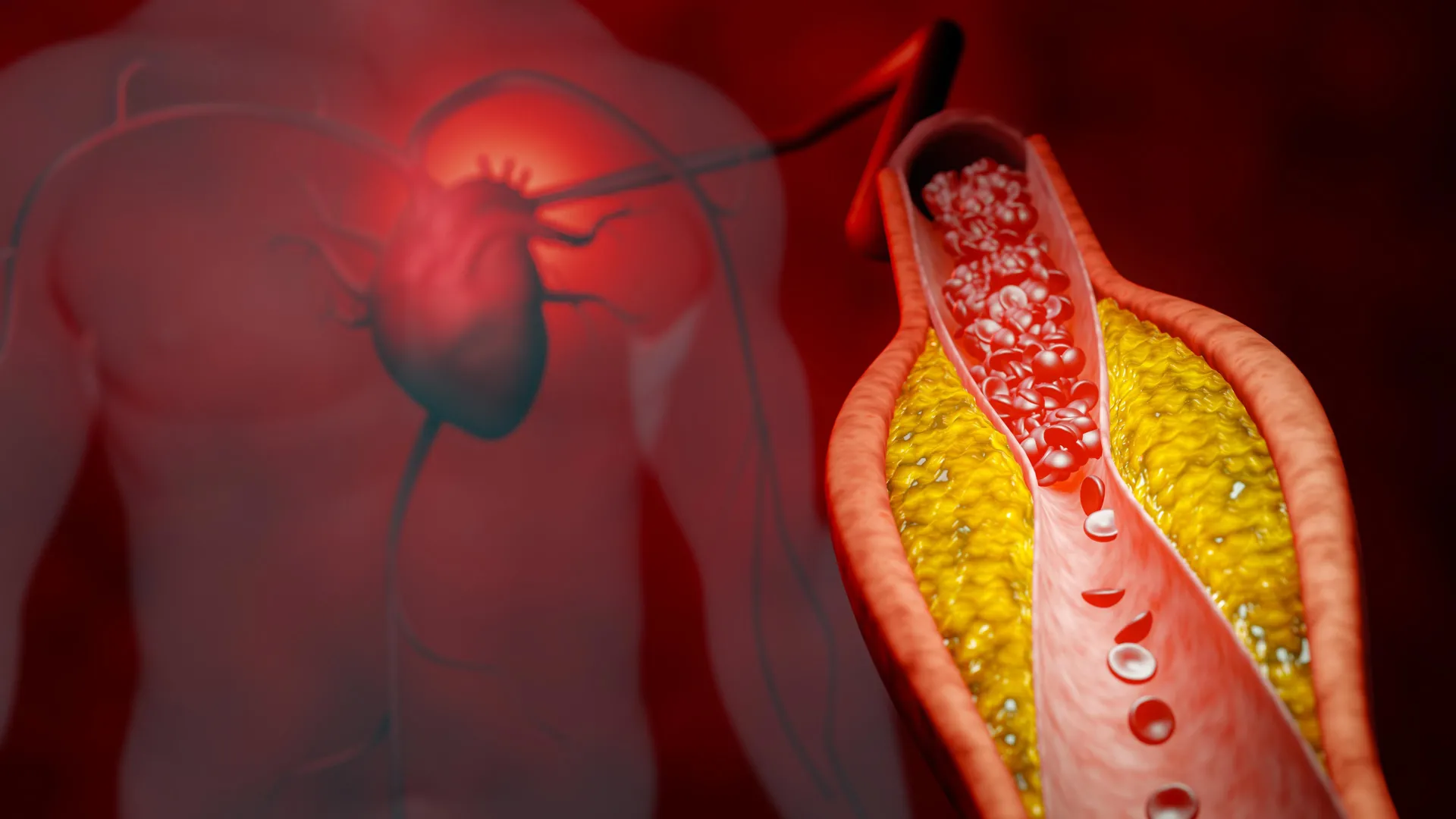
To appreciate the significance of this discovery, one must first understand the biological mechanism that keeps cholesterol levels in check. The body relies on low-density lipoprotein (LDL) receptors located on the surface of liver cells to "capture" LDL cholesterol—often colloquially termed "bad" cholesterol—circulating in the blood. When these receptors successfully clear cholesterol, they prevent it from accumulating as fatty plaques within the arterial walls.
However, the body produces a protein known as PCSK9 (proprotein convertase subtilisin/kexin type 9). In a healthy system, PCSK9 acts as a regulator, but in many individuals, it becomes overactive. PCSK9 binds to these LDL receptors and triggers their degradation. With fewer receptors available on the cell surface, the liver’s ability to "vacuum" cholesterol from the bloodstream is severely compromised. This leads to hypercholesterolemia, a condition that, if left unmanaged, inevitably leads to the narrowing and hardening of arteries.
Over the past decade, PCSK9 has emerged as a "holy grail" target for cardiologists. While existing monoclonal antibodies and siRNA-based therapies have already demonstrated success in inhibiting this protein, the research team from Barcelona and Oregon aimed to tackle the problem even further upstream: by silencing the gene responsible for creating PCSK9 in the first place.
The Science of Polypurine Hairpins (PPRHs)
The core innovation of this study lies in the use of polypurine hairpins (PPRHs). Unlike traditional drugs that work by binding to a protein after it has been created, PPRHs are designed to intercept the "blueprints" for that protein.
PPRHs are short, single-stranded DNA molecules—specifically, oligonucleotides. Their structure is ingenious: they are engineered to recognize and bind to very specific DNA or RNA sequences. By targeting the exons (the coding portions of a gene) of the PCSK9 gene, these hairpins physically bind to the DNA, effectively "locking" the gene and preventing the transcription process—the step where DNA instructions are converted into the RNA needed to build proteins.
The Experimental Process
In their recent study, the researchers tested two specific PPRH candidates, labeled HpE9 and HpE12. These molecules were designed to bind to the polypyrimidine sequences of exons 9 and 12 of the PCSK9 gene via Watson-Crick bonds. The results of the laboratory trials were striking:
- Gene Suppression: The HpE12 variant proved particularly potent, reducing the levels of PCSK9 RNA by 74% in laboratory cell cultures.
- Protein Reduction: The downstream effect was even more pronounced, with an 87% reduction in the production of the PCSK9 protein itself.
- Receptor Restoration: Because the cells were no longer inhibited by excess PCSK9, the number of LDL receptors on the cell surface increased, effectively restoring the cell’s natural ability to filter cholesterol from the blood.
From Laboratory to In Vivo Success
The transition from cell cultures to living organisms is often where promising medical research encounters obstacles. To test the efficacy of their approach, the team utilized transgenic mice engineered to express the human PCSK9 gene.
The findings, led by Professor Carles J. Ciudad and Professor Verònica Noé of the University of Barcelona’s Faculty of Pharmacy and Food Sciences, were consistent with their initial laboratory findings. A single injection of the HpE12 molecule resulted in a 50% reduction in plasma PCSK9 levels within the mice. Most importantly, this translated to a 47% reduction in total cholesterol levels by the third day following the injection.
"The results show that both HpE9 and HpE12 are highly effective," stated Professor Noé. "The ability to achieve such a significant reduction in cholesterol with a single intervention underscores the potential of this genetic strategy to fundamentally alter how we manage cardiovascular risk."
The Advantages of the PPRH Approach
Why pursue PPRHs when other PCSK9-targeted therapies already exist? The researchers point to several key advantages that differentiate their approach from current medical standards, such as statins or newer injectable antibodies.
1. Cost and Manufacturing
Traditional monoclonal antibodies—complex, laboratory-grown proteins—are notoriously expensive to manufacture and often require specialized storage conditions. In contrast, PPRHs are DNA-based. They are significantly cheaper to synthesize, possess higher stability, and are easier to transport and store, which could lead to much broader accessibility for patients in lower-income regions.
2. Avoiding "Statin Fatigue"
Statins, while effective, are associated with a range of side effects, most notably myopathies (muscle pain and weakness). These side effects often lead to poor patient adherence, with many individuals opting to stop their medication altogether. The researchers emphasize that the PPRH approach, by targeting the liver’s specific production of PCSK9 rather than interfering with systemic metabolic pathways, carries a much lower risk of these debilitating muscle-related complications.
3. Immunogenicity
One of the primary concerns with biological therapies is the risk of the immune system identifying the drug as a foreign invader, leading to an immune response that can neutralize the drug’s effectiveness. The team reports that PPRHs exhibit a lack of immunogenicity, making them a safer candidate for long-term, chronic administration.
Looking Ahead: Clinical Implications and Future Hurdles
While the 47% reduction in cholesterol seen in mice is a major milestone, the researchers are careful to maintain a measured perspective. The transition from rodent models to human clinical trials is a long, rigorous, and highly regulated process.
Future studies will need to address:
- Long-term Safety: Determining the stability of the PPRH molecule over extended periods and ensuring there are no off-target effects where the DNA hairpins might accidentally bind to and silence the wrong genes.
- Delivery Mechanisms: While the mouse models showed success with an initial injection, developing a clinical-grade delivery system that can target the human liver efficiently and safely is the next major hurdle for the team.
- Comparative Trials: Researchers will need to demonstrate that this therapy is not only effective but superior to current standards in terms of long-term patient outcomes, such as a reduction in actual heart attack and stroke incidence.
Conclusion
The collaboration between the University of Barcelona, the Institute of Nanoscience and Nanotechnology (IN2UB), and the University of Oregon represents a sophisticated leap in the field of genetic medicine. By moving beyond the blunt instrument of systemic drug therapy and toward the precise, molecular "surgical" strike of gene silencing, scientists are opening new doors in the treatment of one of humanity’s most persistent health challenges.
Should human trials eventually mirror the success of these early animal models, we may be looking at a future where cardiovascular health is managed with a single, highly effective, and accessible genetic intervention. As the global burden of heart disease continues to rise, the development of technologies like polypurine hairpins provides a vital beacon of hope, promising a future where high cholesterol is no longer a lifelong, quiet threat, but a manageable genetic variable.
Project Funding Acknowledgement: This research was supported by critical funding from the Spanish Ministry of Science, Innovation and Universities (MICINN) and the National Institutes of Health (NIH) of the United States, reflecting the global significance and interdisciplinary nature of this endeavor.