







November 10, 2026
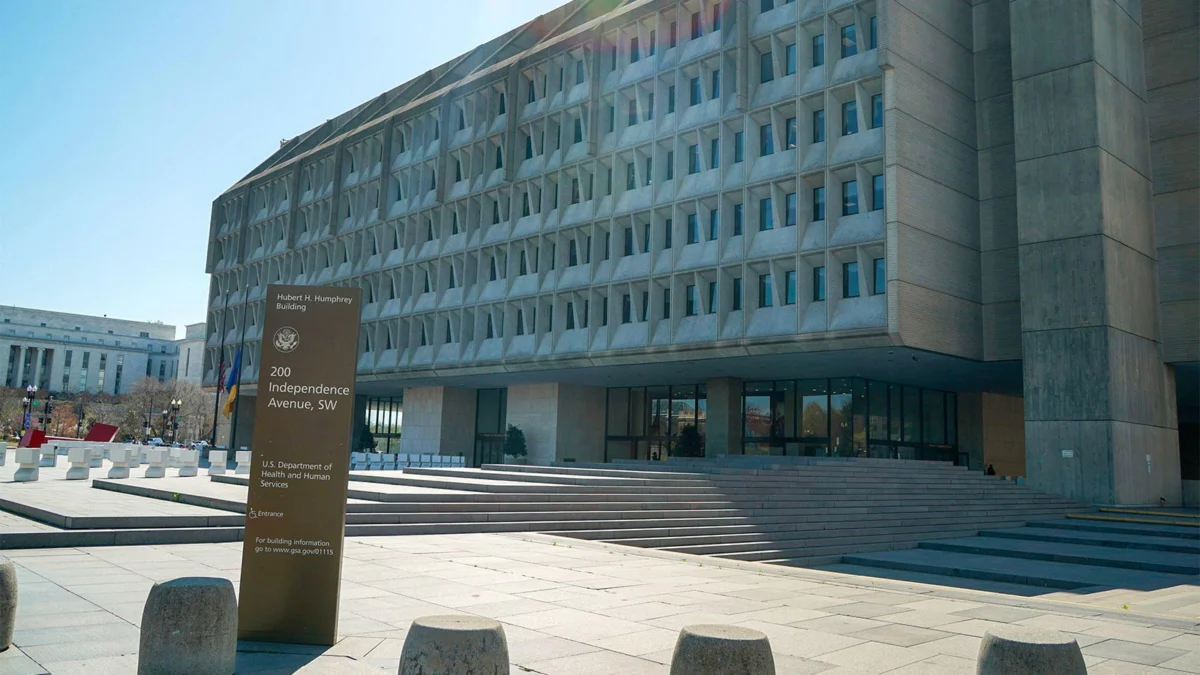
The Department of Health and Human Services (HHS) has officially missed the 90-day deadline mandated by a presidential executive order to present a comprehensive report on the timing, sequencing, and formulation of childhood vaccines. As the clock runs out, a growing coalition of public health experts, pediatricians, and infectious disease specialists is raising alarms, characterizing the administration’s focus not as a scientific inquiry, but as a calculated effort to undermine public trust in the established immunization infrastructure.
The executive order, signed by President Donald Trump on August 10, 2026, aimed to overhaul the federal approach to childhood vaccinations. It directed HHS to explore the administration of "core" childhood vaccines—specifically targeting the Measles, Mumps, and Rubella (MMR) shot—as individual injections rather than combined doses, and to conduct a sweeping assessment of the federal vaccine schedule.
The Anatomy of the Executive Order
The directive issued in August serves as the cornerstone of the administration’s current public health agenda. Its primary objectives were threefold:
- Unbundling Vaccines: To provide families the option to administer core childhood vaccines separately, rather than relying on combination products.
- Schedule Review: To reassess the "ideal timing and sequencing" of all core childhood immunizations based on what the administration terms "gold standard science."
- Enhanced Monitoring: To fundamentally improve the transparency, research, and safety monitoring protocols currently utilized by federal agencies.
While proponents of the order argue that it empowers parental choice and increases scientific rigor, the medical establishment views the document as a solution in search of a problem. The central contention is that the current combination vaccines—such as the MMR—are the result of decades of clinical research designed to maximize coverage, reduce trauma for children, and ensure the most efficient delivery of life-saving medicine.
Chronology of a Mounting Crisis
The friction between the HHS and the broader medical community did not begin with this report; it is the culmination of months of policy shifts under Secretary Robert F. Kennedy Jr.
- August 10, 2026: President Trump signs the executive order, setting a 90-day window for HHS to deliver a plan regarding vaccine administration and scheduling.
- Late Summer 2026: As the order takes effect, the U.S. experiences an uncontrolled measles outbreak, leading to projections that the nation will officially lose its "measles elimination status."
- November 10, 2026: The 90-day deadline passes without the publication of the promised report, sparking immediate outcry from public health advocates.
- Ongoing: The HHS Task Force on Safer Childhood Vaccines continues its internal review process, citing the need for "careful scientific review" as the reason for the delay.
The Scientific Backlash: "Textual Squid Ink"
The reaction from the epidemiological community has been swift and severe. Elizabeth Jacobs, PhD, professor emerita of epidemiology and biostatistics at the University of Arizona and a founding member of Defend Public Health, did not mince words regarding the intent behind the task force.
"The overarching concern with this report, should it ever materialize, is that it will be more textual squid ink that accomplishes nothing other than reinforcing unfounded doubts about vaccines that have been cultivated by the HHS secretary for decades," Jacobs stated. "In fact, this may be its only real purpose."
Jacobs emphasized that the focus on splitting the MMR vaccine is particularly reckless given the current epidemiological reality. "In a just world, the focus right now would not be on making it more difficult to complete vaccinations for measles, mumps, and rubella. It would be on rolling out a rigorous public health campaign to ensure that all people in the U.S. are protected with the only measles vaccine we have at our disposal—the safe and effective MMR vaccine."
Institutional Concerns: The Role of the ACIP
A major point of contention is the sidelining of the Advisory Committee on Immunization Practices (ACIP). The ACIP has historically served as the gold standard for reviewing vaccine data, consisting of independent, vetted experts who provide recommendations to the CDC.
Amanda Jezek, senior vice president of public policy and government relations for the Infectious Diseases Society of America (IDSA), warned that the current process lacks legitimacy. "Any changes to vaccine recommendations should be made by a legitimate, legal ACIP whose members have the relevant expertise and who have been thoroughly vetted and appointed through the standard process," Jezek said.
Jezek further pointed out the logistical absurdity of the administration’s goals: "Some of the vaccines that have been discussed to be offered separately are not even manufactured as separate vaccines, and there is no scientific justification to separate them. These changes… would cause significant confusion among clinicians, patients, and families and could jeopardize insurance coverage and access to vaccines."
The Kennedy Strategy: A Four-Pronged Initiative
Paul Offit, MD, director of the Vaccine Education Center at Children’s Hospital of Philadelphia, argues that the task force is merely one gear in a larger machine operated by Secretary Kennedy. Offit describes a "four-pronged initiative" that seeks to rewrite the narrative of vaccine safety:
- NIH Research: Establishing a new NIH clinic specifically devoted to searching for vaccine-induced harm.
- Data Mining: Utilizing electronic medical records to identify correlations that the administration claims have been overlooked.
- Financial Incentives: Implementing payment structures for physicians to report adverse events to the Vaccine Adverse Event Reporting System (VAERS), a move Offit dismisses as an unnecessary bribe.
- Systemic Overhaul: "Modernizing" VAERS to support the belief that safety data is currently being suppressed by federal regulators.
"He thinks there’s gaslighting," Offit said, referring to Kennedy’s long-standing skepticism of public health agencies. "He believes that parents who have seen their children hurt by vaccines are dismissed, so he’s going to get to the bottom of this."
The Risks of Weaponizing Data
Offit warns that the administration is likely to use flawed, confounded data to validate its pre-existing biases. He cited Kennedy’s past use of unverified data—such as claims derived from flawed Medicaid analyses—to argue that vaccines cause permanent neurological harm.
"Under the current plan, Kennedy will point to a series of studies to say, ‘I was right all along,’" Offit predicted. The real danger, according to Offit, lies in the potential for the administration to force these alleged harms into the Vaccine Injury Compensation Program (VICP).
"If he breaks the vaccine compensation program, we’ll be right back to where we were in the 1980s," Offit warned, noting that the last time the liability system was threatened, manufacturers exited the vaccine market entirely, leading to shortages and a collapse in public health capability.
HHS Response
In response to inquiries regarding the missed deadline, an HHS spokesperson maintained that the agency is moving forward with the President’s agenda.
"The HHS Task Force on Safer Childhood Vaccines is working to strengthen vaccine safety research, improve transparency, and expand options for American families," the spokesperson said in an email. "This work requires careful scientific review, and HHS remains committed to advancing the President’s priorities through gold standard science and informed parental choice."
Conclusion: A Fractured Consensus
The delay of the report has created a vacuum of uncertainty that is being filled by fear on both sides of the aisle. For the administration, the delay is framed as a commitment to thoroughness. For the medical establishment, it is a delay in the inevitable: the release of a document they fear will provide a veneer of official legitimacy to fringe theories.
As the U.S. teeters on the brink of losing its measles elimination status, the stakes for this report have never been higher. Whether the HHS provides a path toward actual scientific progress or further entrenches the divide between the government and the scientific community remains to be seen. What is clear, however, is that the trust of the American public—the most critical component of any public health success—is currently caught in the crossfire.