









By Medical News Correspondent
November 10, 2026
In a significant advancement for patients suffering from rare, debilitating soft-tissue conditions, the U.S. Food and Drug Administration (FDA) has officially approved the small-molecule inhibitor pimicotinib (marketed as Pimjetmi) for the treatment of symptomatic tenosynovial giant cell tumor (TGCT). The approval targets a specific subset of patients for whom surgery is not an option—either because the tumor is unresectable or because surgical intervention would result in severe functional limitation or morbidity.
This milestone marks a new chapter in the therapeutic landscape for TGCT, providing a robust, orally administered alternative for individuals whose quality of life is often severely hampered by the progressive nature of these tumors.
The Landscape of TGCT: A Silent Burden
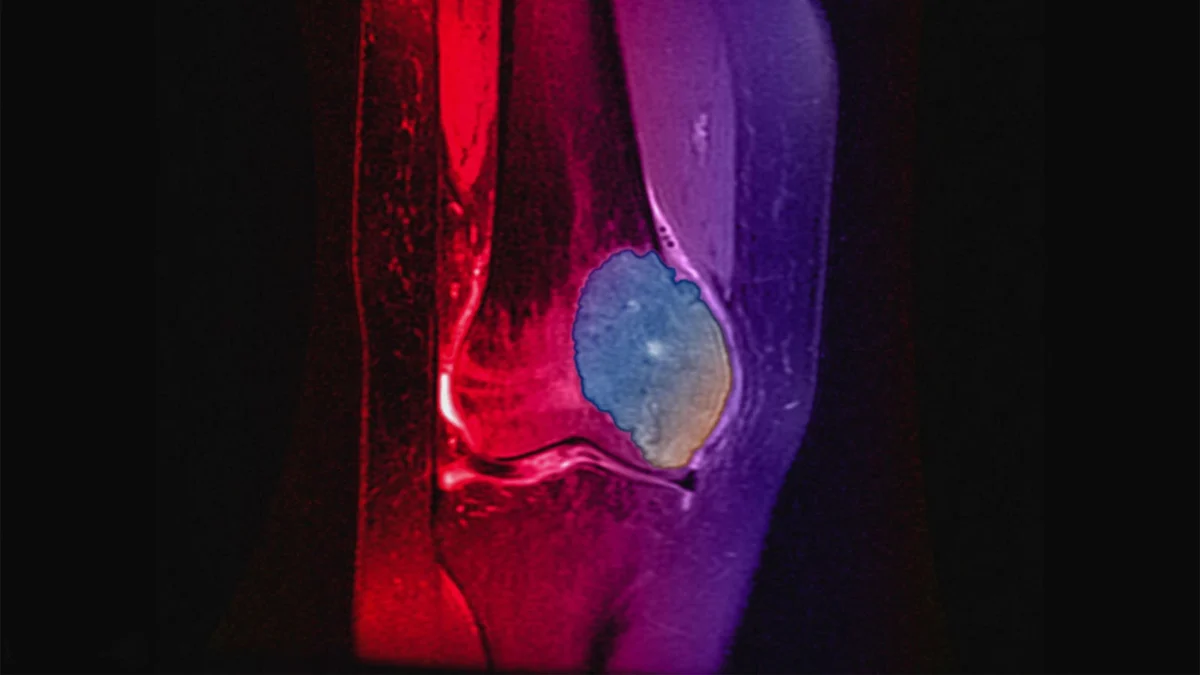
Tenosynovial giant cell tumor (TGCT) is a rare, locally aggressive tumor that originates in the joint synovium, bursae, or tendon sheaths. While the tumors are generally non-malignant in the traditional sense, their growth pattern can be devastating. Because they often strike otherwise healthy younger adults—with a median age of onset around 38—the impact on professional and personal life is profound.
As the tumor expands within the joint space, it causes chronic inflammation, pain, stiffness, and a dramatic loss of range of motion. For years, the gold standard of care has been surgical resection. However, when tumors are diffuse or located in complex anatomical areas, repeated surgeries are often required, leading to cumulative tissue damage and functional disability. The approval of pimicotinib addresses this critical "unmet need," offering a systemic therapy that targets the molecular drivers of the disease rather than merely attempting to excise the physical mass.
Chronology of Therapeutic Evolution
The path to the approval of pimicotinib is part of a broader, rapid evolution in oncology and rheumatology-related therapeutics. The medical community has spent the last decade shifting from broad-spectrum interventions to targeted, mechanism-specific treatments.
The CSF-1R Inhibitor Era
The history of pharmacological intervention for TGCT is relatively short but highly impactful, defined primarily by the development of colony stimulating factor-1 receptor (CSF-1R) inhibitors. These drugs work by blocking the CSF-1/CSF-1R signaling pathway, which is responsible for the recruitment of inflammatory cells that drive the formation and proliferation of giant cell tumors.
- 2019: The Pioneer. The FDA granted approval to pexidartinib (Turalio), the first CSF-1R inhibitor to show efficacy in symptomatic, unresectable TGCT. It paved the way for systemic treatment, though its clinical use was often managed carefully due to safety considerations.
- 2025: A New Contender. The landscape expanded with the approval of vimseltinib (Romvimza), providing clinicians and patients with an additional therapeutic choice.
- 2026: Global and Domestic Expansion. Pimicotinib has followed a fast-tracked trajectory. Having already secured regulatory approvals in China in 2025, and in Canada and Switzerland earlier this year, its U.S. approval marks the culmination of a global effort to provide a more durable, patient-friendly option.
Supporting Data: The MANEUVER Trial
The regulatory green light for pimicotinib was heavily predicated on the results of the phase III MANEUVER trial, a multi-regional study conducted across Asia, Europe, and North America.
Trial Design and Primary Endpoints
The study enrolled 94 patients, all of whom presented with unresectable TGCT. Participants were randomized in a 2:1 ratio to receive either oral pimicotinib or a placebo. The primary endpoint—the objective response rate (ORR) at week 25—was achieved with striking significance. Patients treated with pimicotinib demonstrated a 54% ORR, compared to a mere 3% in the placebo cohort (P<0.0001).
Long-Term Durability
Perhaps more compelling than the initial response rates are the 2-year follow-up data. Clinical trials for chronic conditions often face the challenge of "response fatigue," where the efficacy of a drug wanes over time. However, the MANEUVER data indicated that 76% to 78% of responders maintained their response at the 2-year mark. Beyond tumor shrinkage, patients reported consistent, long-term improvements in three critical domains: pain management, joint stiffness, and physical range of motion.
Clinical Perspectives and Official Responses
The medical community has greeted the news with cautious optimism, noting that while the drug is highly effective, it requires diligent clinical monitoring.
Dr. Vinod Ravi of the University of Texas MD Anderson Cancer Center, a lead investigator in the clinical development program, emphasized that the true value of pimicotinib lies in its impact on the patient’s daily existence.
"For people living with TGCT, the impact of the disease is often felt through persistent limitations in mobility, physical function, and the ability to carry out everyday activities," Dr. Ravi stated following the release of the 2-year trial data. "What is encouraging about these 2-year findings is the consistency of improvements—not only in the durability of tumor response but across the symptoms and functional outcomes that matter to patients."
Dr. Ravi further noted that the safety profile, while requiring oversight, was manageable and that the data provides a strong argument for the drug’s role as a standard-of-care component for patients facing high surgical risk.
Safety Profile and Management
As with any potent small-molecule inhibitor, the use of pimicotinib is associated with a specific side-effect profile that necessitates patient education and regular laboratory monitoring.
Common Adverse Reactions
According to the FDA label, the most common adverse reactions, occurring in over 20% of patients, include:
- Dermatological: Pruritus (itching) and rash.
- Fluid Retention: Facial and periorbital edema, and peripheral edema.
- Systemic: Fatigue, nausea, and headache.
Laboratory Abnormalities
Clinicians are advised to monitor patients closely for biochemical markers of liver and muscle function. Over 30% of patients in the trial experienced elevations in:
- Creatine phosphokinase (CPK)
- Lactate dehydrogenase (LDH)
- Aspartate aminotransferase (AST) and alanine aminotransferase (ALT)
- Lipase and amylase (pancreatic enzymes)
- Cholesterol levels
The requirement for regular blood work ensures that these potential adverse effects are caught early, allowing for dose modifications or supportive care interventions, which is standard practice in the management of long-term oncologic therapies.
Implications for the Future of TGCT Care
The approval of pimicotinib signifies a maturing field. As we look toward the future, the implications are three-fold:
1. Shift Toward "Medical Management"
While surgery remains the primary treatment for localized, resectable TGCT, the availability of three FDA-approved systemic agents shifts the paradigm. We are moving toward a model where systemic therapy is considered much earlier in the disease trajectory, particularly when there is a risk that surgery might trigger "reactive" tumor growth or permanent joint damage.
2. Personalized Treatment Plans
With multiple CSF-1R inhibitors now on the market, clinicians can better tailor treatments based on the patient’s specific comorbidities, side-effect tolerance, and life goals. The choice between pimicotinib, vimseltinib, and pexidartinib will likely be determined by nuanced discussions regarding safety profiles and the patient’s lifestyle requirements.
3. Patient-Reported Outcomes (PROs)
The MANEUVER trial’s emphasis on functional improvement highlights a broader trend in clinical research: focusing on what the patient feels, not just what the MRI shows. By documenting improvements in stiffness and range of motion, the approval of pimicotinib sets a high bar for future drug development in the rare disease space.
Conclusion
Pimicotinib represents more than just a new pharmaceutical option; it is a testament to the progress of translational medicine. By successfully targeting the specific molecular signaling pathways of TGCT, the medical community has moved from simply "managing" a tumor to restoring the physical capabilities of those living with it. For the young adults who represent the typical TGCT demographic, this approval offers not just a biological response, but the promise of a return to a more active and functional life. As the medical community continues to integrate this therapy, the focus will undoubtedly remain on long-term safety, sustained quality of life, and the continued refinement of treatment protocols for this rare but challenging condition.