









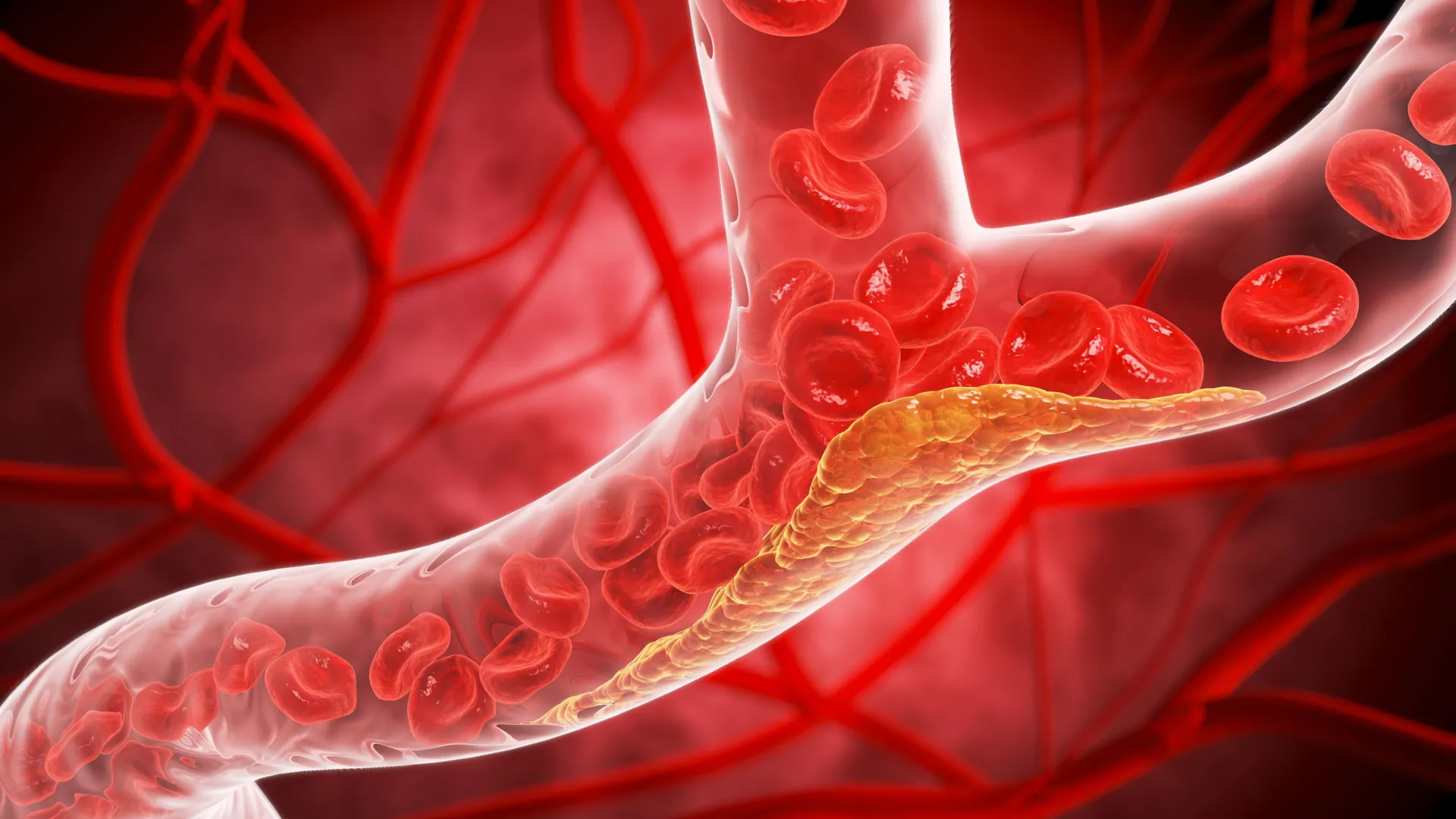
Atherosclerosis—the silent, gradual accumulation of plaque within the arterial walls—has long been viewed as a disease of aging, a late-life consequence of decades of lifestyle habits. However, a transformative international study has shattered this conventional wisdom. The findings, presented at the ESC Congress 2026 and published in The New England Journal of Medicine, reveal that this cardiovascular precursor is not only more widespread than previously estimated but is frequently present in young, ostensibly healthy adults.
This revelation marks a potential paradigm shift in cardiology, suggesting that the current model of estimating risk based on "traditional" factors like cholesterol and blood pressure may be insufficient. Instead, researchers are advocating for a new era of "precision prevention," where the disease is identified directly through imaging long before a heart attack or stroke ever occurs.
The Scope of the REACT Project
The research stems from the first phase of the REACT (Research on Early Atherosclerosis in the General Population) project, an ambitious, multi-year international endeavor. Supported by a EUR 23 million grant from the Novo Nordisk Foundation, the project is a collaborative effort involving Rigshospitalet in Copenhagen, Denmark, and the Centro Nacional de Investigaciones Cardiovasculares (CNIC) in Spain.
The project is led by Professor Henning Bundgaard of Rigshospitalet and Dr. Borja Ibáñez of the CNIC. Their objective is to map the silent development of atherosclerosis throughout the adult lifespan, providing a comprehensive atlas of how this disease manifests in the carotid, femoral, and coronary arteries.
Chronology of Discovery: From PESA to REACT
The foundation for the REACT project lies in the earlier, groundbreaking PESA-CNIC-Santander study, directed by Dr. Valentín Fuster, the Director General of CNIC. The PESA study was one of the first to demonstrate that subclinical atherosclerosis was alarmingly common among middle-aged adults, establishing a clear link between early plaque development and lifestyle factors.
Building on that success, the REACT project was launched in 2024 to extend the scope of investigation to significantly younger age groups. The first phase, REACT-DETECT, was designed to determine the prevalence of silent atherosclerosis across the entire adult spectrum. If the scientific community and funding bodies confirm the viability of the project’s next steps, REACT-PROTECT—a second phase scheduled to run from 2027 through 2032—will seek to determine whether targeted, imaging-based interventions can actually slow or reverse the disease process.
Supporting Data: A Comprehensive Snapshot
The sheer scale of the REACT study provides unprecedented insight into cardiovascular health. Researchers enrolled 16,808 participants aged 18 to 70 across Denmark and Spain. To ensure a granular understanding of the disease, every participant underwent advanced, non-invasive imaging, including:
- Carotid artery ultrasound (neck)
- Femoral artery ultrasound (legs)
- Coronary artery CT scans (heart)
The results were striking. Among the more than 16,000 participants—none of whom had a previous diagnosis of cardiovascular disease—57.1% showed detectable atherosclerotic plaques.
Age-Related Prevalence
The data dispels the myth that atherosclerosis is strictly a geriatric condition:
- 18–29 years: Approximately 1 in 13 participants (roughly 7.7%) exhibited signs of plaque in at least one artery.
- 30–59 years: The prevalence increased significantly, mirroring the steady progression of the disease.
- 60–70 years: By the time individuals reached their seventh decade, roughly 9 out of 10 participants were found to have atherosclerosis.
Gender-Based Differences
The study also revealed distinct physiological patterns between men and women. Men typically exhibit an earlier onset of plaque development, with their disease progression curve appearing roughly five to ten years ahead of women. However, women showed a particularly sharp, accelerated increase in prevalence between the ages of 40 and 60. Researchers noted that this window aligns with the menopausal transition, suggesting that hormonal shifts play a critical role in the development and acceleration of vascular disease.
Official Responses and Expert Perspectives
The leaders of the study are vocal about the need to overhaul current clinical practice. Professor Henning Bundgaard emphasized that the vision of REACT is to transition from "risk estimation" to "precision identification."
"Until now, preventive decisions have been based on an estimate of risk, but we did not know whether the disease was already present," Professor Bundgaard explained. "REACT shows that atherosclerosis can be detected decades before clinical manifestations appear and provides the most comprehensive atlas of the evolution of the disease across adult life."
Dr. Borja Ibáñez, the project’s Scientific Director, challenged the status quo regarding traditional risk factors. "For decades, we have estimated cardiovascular risk using factors such as age, blood pressure, and cholesterol," he said. "This study shows that we can now go one step further and detect the disease directly before it causes a heart attack or stroke."
Dr. Valentín Fuster, who has championed this investigative approach for years, remains optimistic about the potential for cure. "For years, we have proposed that early intervention in atherosclerosis could not only prevent its progression but might even make it possible to cure the disease. REACT will answer this question."
Implications for Global Health
The implications of the REACT study are vast, touching on everything from clinical screening protocols to global public health policy.
The Rise of Portable Ultrasound
One of the most practical takeaways from the study is the strong correlation between plaque in the carotid or femoral arteries and plaque in the coronary arteries. Because imaging the neck or legs with portable ultrasound is far less invasive and less expensive than CT scans of the heart, researchers suggest that portable ultrasound could become the new standard of care.
Dr. Ibáñez envisions a future where any healthcare professional—not just specialized cardiologists—can use portable devices to screen for atherosclerosis during routine checkups, potentially identifying high-risk individuals years before an emergency event occurs.
The Failure of Traditional Risk Scores
Perhaps the most sobering finding is the inaccuracy of current risk-scoring models, such as the SCORE2 system. The study revealed that these methods identify only a small fraction of individuals who already harbor silent atherosclerosis. This implies that millions of people globally walk around with "low-risk" status on paper while their arteries are, in fact, actively accumulating dangerous plaque.
Expanding the Global Reach
Recognizing that cardiovascular disease is a global epidemic—responsible for nearly 20 million deaths annually—the research team is not limiting the project to Europe. The REACT initiative has established partnerships with medical institutions in India, Singapore, Tanzania, and Mexico. These collaborations are essential to determine whether the patterns observed in the European cohort hold true across diverse ethnic and socioeconomic backgrounds.
A Path Forward
The REACT project represents a bold departure from 20th-century medicine. By shifting the focus from "treating the risk" to "treating the patient who has the disease," the researchers hope to curb the global burden of cardiovascular death.
If the upcoming clinical trials in Phase 2 confirm that early, imaging-guided intervention can prevent heart attacks and strokes, it will necessitate a fundamental change in how primary care is delivered. It would move the needle from reactive treatment of heart attacks to the active, lifelong management of vascular health. As the scientific community looks toward the next decade, the message from the REACT team is clear: we can no longer afford to wait for symptoms to appear when the technology exists to see the disease in its earliest stages.