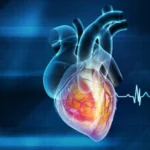



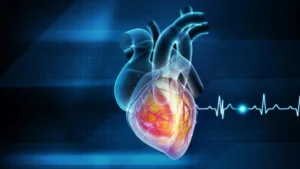

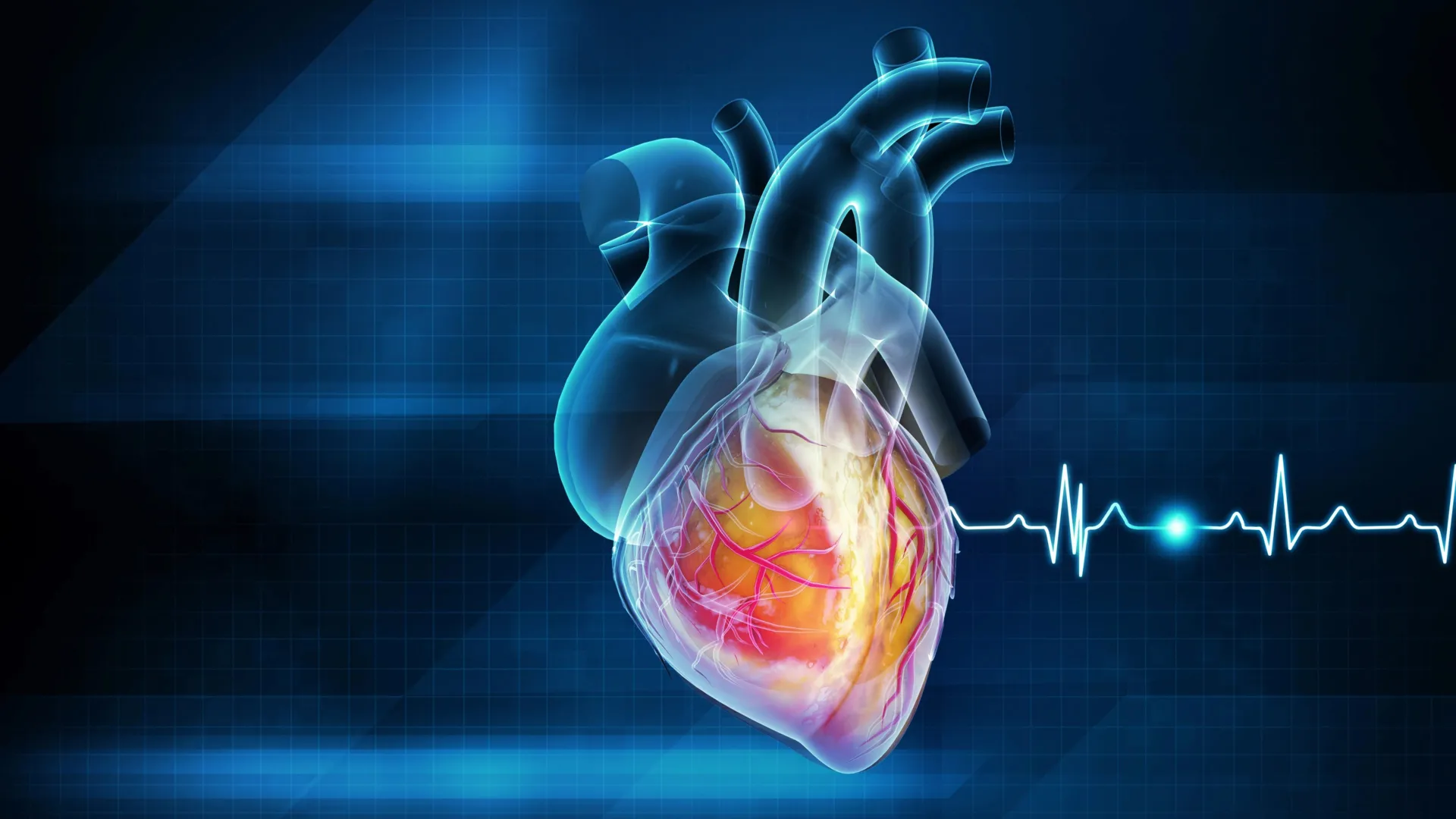
Every year, more than 300,000 individuals in the United States face a harrowing, silent emergency: sudden cardiac arrest. Unlike a heart attack, which is a plumbing issue involving blocked arteries, cardiac arrest is an electrical catastrophe. It occurs when the heart’s internal circuitry malfunctions, causing the organ to stop pumping blood instantaneously. For the victim, the transition from normalcy to life-or-death crisis often occurs without a single warning symptom.
For decades, the medical community has grappled with a frustrating limitation: how to identify those at risk before the fatal event strikes. Now, a groundbreaking study from researchers at UC Berkeley, published in the journal Nature, suggests that the answer has been hiding in plain sight within the billions of routine electrocardiograms (EKGs) performed globally every year. By utilizing artificial intelligence to interpret these scans, scientists have uncovered subtle electrical "fingerprints" that could revolutionize preventive cardiology.
The Chronology of a Digital Breakthrough
The journey toward this discovery was neither quick nor simple. It was a decade-long "slow burn," as described by Ziad Obermeyer, an associate professor at the UC Berkeley School of Public Health and the study’s lead author.
The project began with the monumental task of data acquisition. Recognizing that "good AI starts with good data," Obermeyer and his colleagues leveraged two organizations he helped establish—Dandelion Health and Nightingale Open Science—to bridge the gap between vast, inaccessible medical records and research-ready datasets.
The researchers utilized a massive, unified dataset from Sweden, comprising six years of EKG recordings. By linking these electrical tracings with national death certificates, the AI was "taught" to distinguish between three categories of patients: those who remained healthy, those with known heart risks, and those who eventually succumbed to sudden cardiac causes.
Once the algorithm was refined, the team moved to the validation phase. To ensure the model wasn’t just learning the quirks of a single healthcare system, they tested the technology against thousands of anonymized records from a hospital system in San Diego and a separate patient cohort in Taipei. This international cross-validation confirmed that the AI’s predictive patterns held true across diverse populations, marking a significant milestone in clinical machine learning.
The Limitations of Conventional Screening
To understand why this discovery is a watershed moment, one must examine the current standard of care. Modern cardiology relies heavily on the "ejection fraction"—a measurement of how much blood the heart pumps with each contraction. If a patient’s ejection fraction falls below a specific threshold, they may be recommended for an implantable cardioverter defibrillator (ICD).
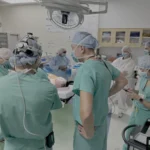
However, this approach is deeply flawed in two directions. First, it is reactive; many people who suffer sudden cardiac arrest have normal heart function and are never flagged for screenings until it is too late. Second, the current criteria are inefficient; approximately two-thirds of the ICDs implanted in "high-risk" patients never actually need to deliver a life-saving shock. This subjects thousands of patients to expensive, invasive, and potentially unnecessary surgical procedures, while missing the truly vulnerable individuals who fall outside these narrow diagnostic criteria.
The AI-driven approach shifts the paradigm. In the study, while traditional metrics identified a patient group with a 4.6% annual risk of sudden cardiac death, the AI successfully isolated a subset with a 7% annual risk. More importantly, the AI flagged thousands of individuals who would have been categorized as "low risk" by current guidelines, demonstrating a sensitivity that standard diagnostic tools simply cannot match.
Data-Driven Insights: Supporting Evidence
The strength of the UC Berkeley study lies in its robust methodology and the sheer scale of its training data. By analyzing over 440,000 EKG records, the AI moved beyond human pattern recognition. Where a cardiologist might look for specific waves or spikes, the AI identified complex, multidimensional patterns in the electrical data that are invisible to the naked eye.
Key Data Points:
- The Scale: 440,000 EKGs used for initial training.
- The Accuracy: The AI identified a high-risk group with a 7% annual mortality rate, significantly outperforming current clinical thresholds (4.6%).
- The Reach: The model successfully identified risk factors in both American and Taiwanese patient populations, suggesting global applicability.
- The Efficiency: The technology utilizes existing, routine EKG data, meaning no new, expensive medical tests are required to implement the screening.
Official Perspectives and Ethical Implications
For Dr. Ziad Obermeyer, the stakes are deeply personal. As an emergency physician, he has witnessed the tragedy of sudden cardiac death firsthand. "Medical decisions are really hard," he notes. "We can not only make better decisions, but also start to understand what’s actually going on with these patients before their heart stops."
The research highlights a fundamental tension in modern medicine: the "black box" of AI. While the algorithm is highly accurate at predicting outcomes, it does not immediately explain the underlying biological mechanism. This has sparked a new scientific inquiry into what specific physiological changes in the heart produce these electrical warning signs.
Critics and medical ethicists have long warned about the dangers of "black box" algorithms in medicine, emphasizing the need for transparency. However, Obermeyer and his team are already working to address this. They are collaborating with clinical systems to introduce the algorithm as a supplemental tool, not a replacement for physician judgment. In this model, the AI acts as a "triage" system: when a high-risk score is generated, the patient is contacted and offered further monitoring, such as a wearable patch that provides continuous, high-fidelity electrical data. This iterative process is expected to provide the biological "ground truth" that will eventually demystify how the AI makes its decisions.
Future Implications: A New Era of Preventive Care
The implications of this study extend far beyond the treatment of cardiac arrest. The success of this algorithm serves as a proof-of-concept for a new way of doing science. By applying machine learning to existing, underutilized medical datasets, researchers can uncover hidden relationships between biological signals and clinical outcomes.
Potential Clinical Pathways:
- System-Wide Screening: Hospitals could integrate the algorithm into their EKG databases to flag "at-risk" patients during routine physicals or pre-operative screenings.
- Personalized Monitoring: High-risk patients identified by the AI could be transitioned to long-term cardiac monitoring, potentially catching arrhythmias in their nascent stages.
- Informed Interventions: Physicians can use these data-backed risk scores to have more nuanced conversations with patients about the benefits and risks of preventive devices like ICDs.
- Scientific Discovery: The patterns identified by the AI may lead to the discovery of new biomarkers or previously unknown cardiac pathologies, opening doors to pharmacological or lifestyle-based interventions.
The researchers have taken the bold step of creating an online portal where individuals can express interest in the technology as it matures. While not yet a diagnostic tool for the general public, the initiative reflects a growing trend toward patient empowerment and the democratization of medical data.
Conclusion
The tragedy of sudden cardiac arrest is that it is often a "preventable" death—if only we knew who was in the crosshairs. With this new AI-driven approach, the medical community is moving one step closer to a future where these deaths are no longer considered an unavoidable mystery.
As we look forward, the marriage of artificial intelligence and clinical cardiology promises to turn the silent, cryptic language of the heart into clear, actionable data. By listening to the electrical signals that the human eye has missed for generations, we are not just predicting the future of patient health; we are actively rewriting it. As Obermeyer aptly puts it, there is a "new way of doing science" emerging from these tools—a way that promises to turn the "slow burn" of medical research into a bright, lifesaving fire.