







In a landmark achievement for pediatric sleep medicine, Joe DiMaggio Children’s Hospital has successfully completed its first implantation of an Inspire hypoglossal nerve stimulation device in a teenager living with Down syndrome. This procedure marks a significant shift in the treatment landscape for obstructive sleep apnea (OSA), offering a viable, long-term alternative for patients who have historically faced limited therapeutic options.
The milestone not only underscores the hospital’s commitment to medical innovation but also positions the Joe DiMaggio Sleep Center—currently celebrating its 12th year of accreditation by the American Academy of Sleep Medicine—as the sole provider in South Florida offering this advanced neurostimulation therapy to the pediatric Down syndrome population.
The Clinical Challenge: Why Down Syndrome and OSA Require Specialized Care
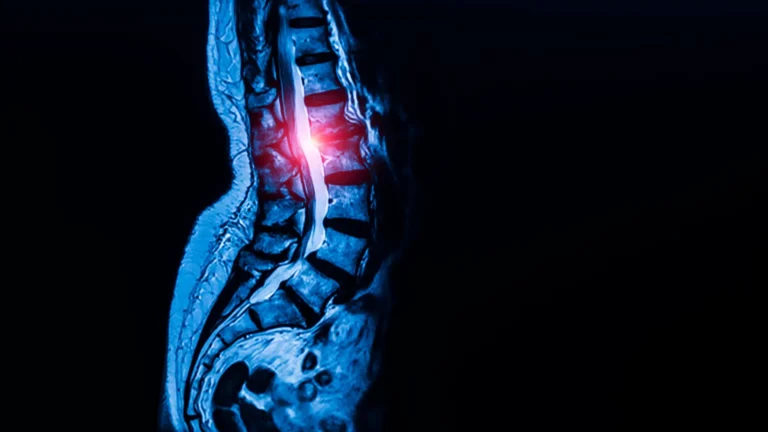
Obstructive sleep apnea is disproportionately prevalent in individuals with Down syndrome. Anatomical factors, including midface hypoplasia, macroglossia (an enlarged tongue), and generalized hypotonia (low muscle tone), create a unique physiological environment that makes the airway prone to collapse during sleep.
For decades, the gold standard for pediatric OSA treatment has been adenotonsillectomy. However, for children with Down syndrome, the anatomical realities often mean that removing tonsils and adenoids is insufficient to resolve airway obstruction. When surgery fails, families are typically directed toward continuous positive airway pressure (CPAP) therapy. While CPAP is highly effective in a laboratory setting, it presents immense challenges in real-world application for children with sensory sensitivities or developmental delays. Many patients simply cannot tolerate the mask, leading to persistent sleep fragmentation, cognitive impairment, and a diminished quality of life.
The successful implantation of the Inspire device at Joe DiMaggio represents a bridge over this therapeutic gap, providing a sophisticated technological solution for a population that has long been underserved.
Chronology of the Milestone
The journey toward this successful implantation involved a multidisciplinary approach, reflecting the complexity of treating pediatric patients with comorbid conditions.
Pre-Operative Assessment
The process began with a rigorous evaluation phase. Candidates for the Inspire system must meet strict FDA criteria. The medical team at Joe DiMaggio conducted comprehensive sleep studies and drug-induced sleep endoscopies (DISE) to confirm that the patient’s airway collapse was indeed amenable to hypoglossal nerve stimulation.
The Collaborative Procedure
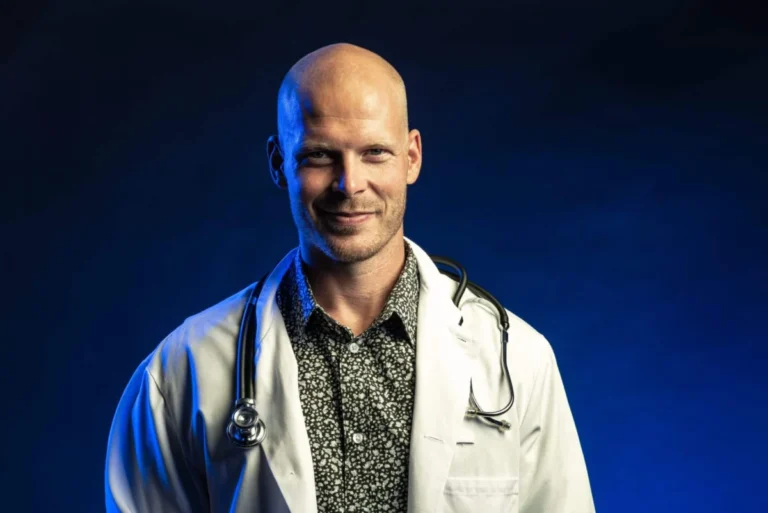
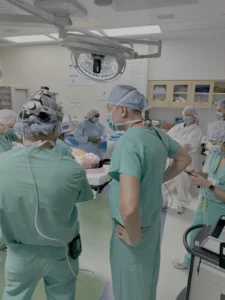
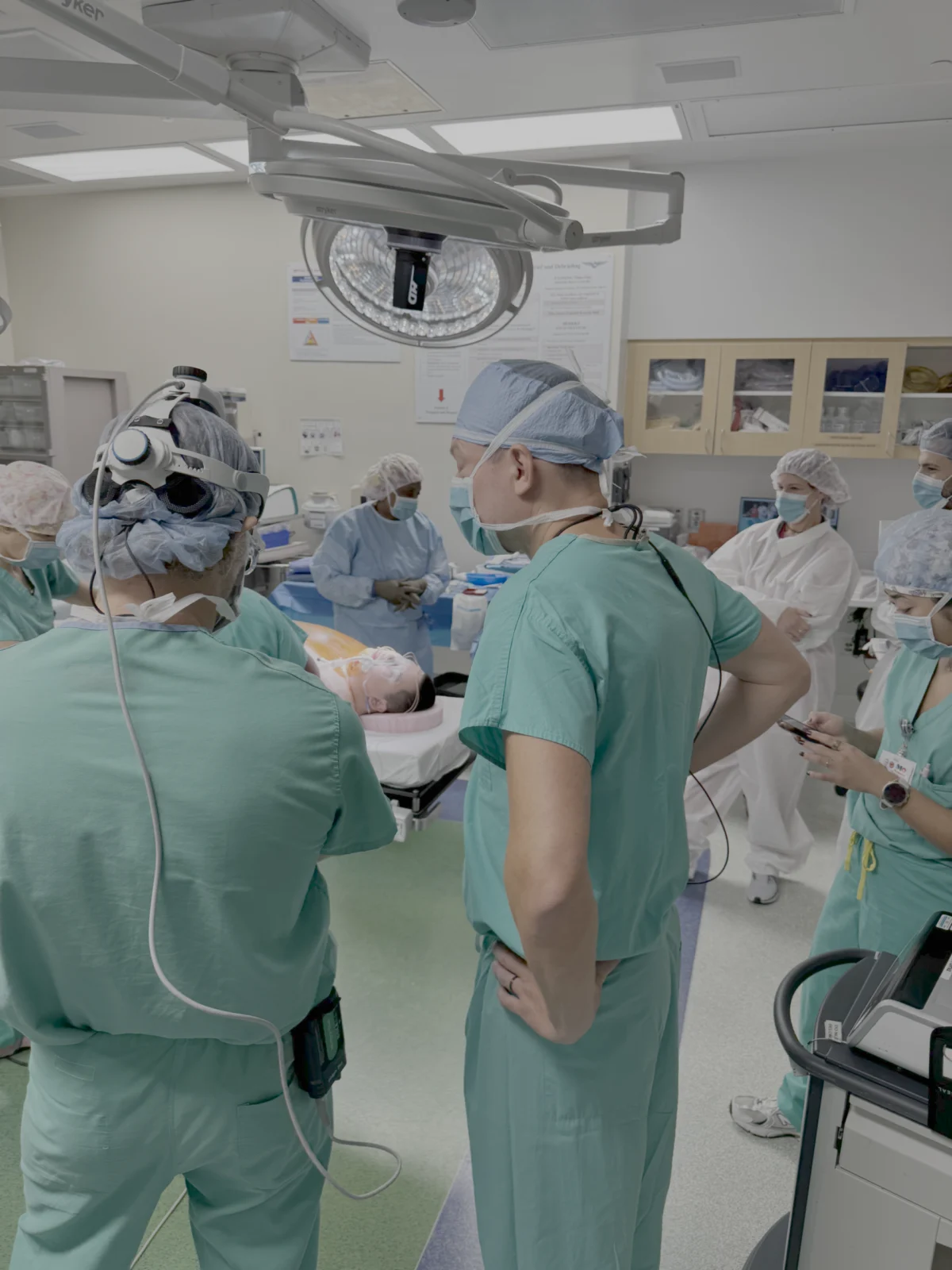
The surgery itself required a high degree of precision and coordination between adult and pediatric specialists. Eamon McLaughlin, MD, a community physician within the Memorial Healthcare System with extensive experience in the procedure for adults, led the surgical team. He was supported by a dedicated pediatric contingent, including:
- Aaron Willis, DO: Director of Sleep Medicine at Joe DiMaggio Children’s Hospital.
- Galia Napchan, MD: Associate Medical Director of Pediatric Pulmonary.
- Thomas Schrepfer, MD: A specialist in Pediatric Otolaryngology.
This cross-departmental collaboration allowed for the seamless integration of surgical skill with pediatric airway expertise, ensuring the safety and successful placement of the neurostimulator.
Post-Operative Integration
Following the procedure, the patient entered a recovery and calibration phase. The Inspire device, which is implanted under the skin of the chest with a small lead tunnelled to the nerve that controls the tongue, is activated approximately one month after surgery. During this time, sleep specialists adjust the stimulation levels to ensure optimal airway patency during the various stages of sleep.
Supporting Data: The Science of Neurostimulation
The efficacy of the Inspire system in the Down syndrome population is backed by compelling clinical evidence. The FDA approval for this specific patient group was driven by a pivotal study that demonstrated the device’s ability to stabilize the airway during sleep.
Statistical Outcomes
According to clinical trial data, approximately two-thirds of adolescent participants with Down syndrome achieved at least a 60% reduction in their Apnea-Hypopnea Index (AHI)—a primary metric used to measure the severity of sleep apnea.

Beyond the raw data, the qualitative outcomes reported by caregivers are equally significant:
- Daytime Alertness: Families reported a 50% reduction in daily tiredness among participants.
- Cognitive and Behavioral Gains: Improved sleep architecture led to noticeable improvements in daytime energy levels, focus, and participation in extracurricular activities.
- Consistency: Unlike CPAP, which requires nightly intervention from caregivers to ensure the mask remains in place, the Inspire device operates automatically once activated, significantly reducing the "burden of care" on parents and families.
Official Perspectives and Expert Commentary
The clinical team at Joe DiMaggio Children’s Hospital views this development as a turning point in patient advocacy. Aaron Willis, DO, emphasized that the goal is holistic improvement in the patient’s life.
"For families whose children have Down syndrome and continue to struggle with sleep apnea despite surgery or cannot tolerate CPAP, having another treatment option can bring renewed hope," Dr. Willis stated in a press release. "Our goal is to help these teens sleep more soundly so they can feel more rested and participate more fully in the activities they enjoy."
The integration of this therapy into the Joe DiMaggio Sleep Center’s offerings is the culmination of years of preparation and academic rigor. By aligning themselves with the American Academy of Sleep Medicine’s stringent standards, the hospital has ensured that the infrastructure exists to support not only the surgical implantation but the long-term management of neurostimulator settings for complex pediatric patients.
Broader Implications for Pediatric Healthcare
The adoption of hypoglossal nerve stimulation for adolescents with Down syndrome has implications that extend far beyond a single hospital system.
Redefining Pediatric Standards of Care
This procedure signals a transition in pediatric medicine from purely "corrective" surgeries to "neuromodulatory" therapies. As technology advances, the ability to manage chronic conditions like OSA through nerve stimulation offers a template for how other developmental or anatomical sleep disorders might be treated in the future.
Equity and Access
By becoming the only center in South Florida to offer this service, Joe DiMaggio Children’s Hospital has addressed a critical health equity issue. Previously, families in the region might have had to travel long distances—or forgo the treatment entirely—due to a lack of local expertise. The centralization of this technology within a top-tier pediatric center ensures that the most vulnerable patients have access to the same technological advancements as their adult counterparts.
Future Research Directions
The success of this procedure will likely catalyze further research into the long-term cognitive benefits of treating OSA in children with Down syndrome. While the current focus is on airway patency and sleep quality, future studies may examine how improved sleep cycles influence academic performance, behavioral regulation, and long-term cardiovascular health in this population.
Conclusion: A New Horizon for Families
The successful implantation of the Inspire device at Joe DiMaggio Children’s Hospital represents more than just a medical breakthrough; it represents a restoration of quality of life for a teenager and their family. The intersection of skilled surgery, multidisciplinary pediatric care, and innovative medical technology has created a new standard for sleep health.
As the medical community continues to observe the outcomes of this procedure, it is expected that more centers will seek to emulate this model of care. For now, the families in South Florida have a new pathway to restful nights and more vibrant days, marking a significant success in the ongoing effort to provide equitable, advanced care to children with Down syndrome.
With the Joe DiMaggio Sleep Center leading the charge, the future of pediatric sleep medicine looks brighter—and much better rested—than ever before.