








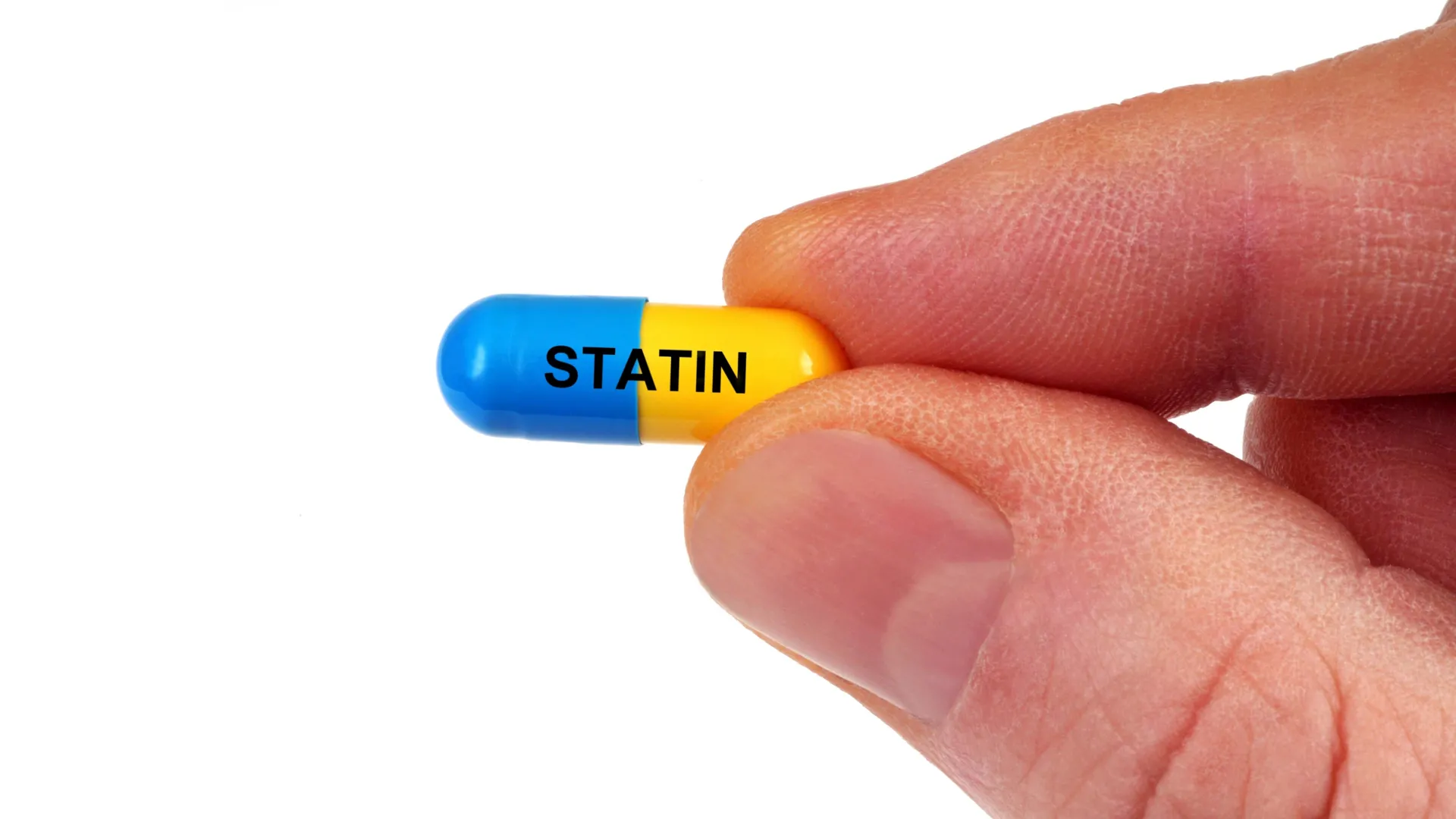
For decades, the standard of care for millions of aging Americans has been clear: maintain cholesterol levels through diet, exercise, and the daily administration of statins. These medications, designed to lower low-density lipoprotein (LDL-C), have been the cornerstone of primary cardiovascular prevention. However, as the population ages, a provocative question has gained traction among clinicians and geriatricians: Is it necessary to continue these medications indefinitely, especially for patients in their 70s and beyond who have never suffered a heart attack or stroke?
A significant new study presented at the American Heart Association’s (AHA) Scientific Sessions 2026 in Chicago suggests that the answer is far from straightforward. While the data offers a degree of reassurance for those looking to simplify their medication regimens, it also sounds a cautionary note regarding the long-term trade-offs of discontinuing preventive care.
Main Facts: A Nuanced Outlook on Primary Prevention
The research, which tracked nearly 1,900 participants aged 70 and older, serves as one of the most comprehensive investigations into "statin deprescribing" to date. The core finding is a tale of two timelines: in the short term, stopping statins appears largely safe, with no statistically significant increase in cardiovascular events, death, or quality-of-life complications.
However, the picture shifts when the observation window is extended. Over a four-year period, those who discontinued their statins faced a 12.7% cumulative rate of heart attack, stroke, or death, compared to just 9.2% in the group that continued their medication. This discrepancy suggests that while the "safety" of stopping is evident in the immediate aftermath, the protective benefits of statins may accrue more significantly as time passes, even in patients who have no prior history of cardiovascular disease.
Chronology: The Evolution of the Study
The study was conducted between November 2021 and April 2026 across 24 specialized medical centers in Switzerland, France, and the Netherlands. By focusing on a demographic aged 70 and older—all of whom were taking statins for primary prevention and possessed at least two chronic health conditions—the researchers aimed to reflect the "real-world" patient population, where polypharmacy (the use of multiple medications) is the norm.
- November 2021 – April 2026: The active recruitment and monitoring phase. Participants were randomized into two cohorts: one group ceased their statin therapy, while the control group maintained their regimen.
- Two-Year Milestone: At this checkpoint, researchers noted no significant difference in the incidence of major adverse cardiovascular events (MACE) between the two groups.
- November 6–9, 2026: The study results were officially unveiled to the global medical community at the AHA Scientific Sessions in Chicago, triggering immediate debate among cardiologists regarding clinical guidelines.
- Four-Year Follow-up: The extended analysis, which revealed the divergence in outcomes, was integrated into the final report to provide a more holistic view of the potential risks of discontinuation.
Supporting Data: Examining the Numbers
To understand the implications, one must look at the demographics and the methodology used by the research team. The study involved 1,880 participants with an average age of 77. The gender split was nearly even, with 53% men and 47% women.
Key Comparative Metrics
The data collected covered a wide range of health markers, including:
- Cardiovascular Events: The primary endpoint focused on heart attacks, acute ischemic strokes, and mortality.
- Quality of Life and Adverse Effects: Researchers meticulously tracked reports of muscle pain (myalgia), falls, and sarcopenia (muscle wasting). Contrary to some anecdotal evidence, stopping statins did not lead to a measurable improvement in these quality-of-life metrics.
- The "Switch" Factor: A notable aspect of the study was the 14% "crossover" rate, where participants changed their assigned behavior (either stopping or restarting the medication). Despite this, the statistical models remained robust, confirming the primary trends regardless of these real-world deviations.
The most jarring statistic remains the "event gap": over the four-year duration, the 3.5% difference in negative outcomes between the groups (12.7% vs 9.2%) indicates that for every 40 people who stop taking their statins, one additional cardiovascular event may occur that would have otherwise been prevented.
Official Responses and Expert Perspective
The study’s lead author, Dr. Rita F. Redberg, M.D., M.Sc., FAHA—a professor of cardiology and the Araxe Vilensky Endowed Chair at the University of California, San Francisco—has been careful to avoid issuing a blanket endorsement for stopping statins.
"While the Association’s recent joint guideline recommends lifestyle and potentially medication for people with high LDL-C at younger ages, the benefit-risk ratio changes as we age," Dr. Redberg noted during the presentation. "Previous studies hinted that mortality might not be affected, but our data shows that the decision to discontinue is not a ‘set it and forget it’ situation. We see a small but statistically significant increase in risk over time."
The medical community’s response has been one of cautious appraisal. Many experts emphasize that "shared decision-making" is now the only responsible path forward. This approach moves away from rigid age-based cutoffs and toward a personalized assessment that considers a patient’s overall health, their specific risk factors, and their personal values regarding medication burden.
Implications: Navigating the Future of Geriatric Cardiology
The findings presented at the 2026 AHA sessions force a re-evaluation of how we treat the "oldest-old." As patients accumulate chronic conditions like cancer, diabetes, or lung disease, the focus of medicine often shifts from pure mortality prevention to the maintenance of daily functional independence.
The Case for Continued Use
For patients with a high baseline risk—even those without a previous heart attack—the 12.7% risk of a major event over four years suggests that statins remain a powerful protective tool. If a patient is tolerating the medication well and experiencing no significant side effects, the data provides a strong argument for staying the course.
The Case for Deprescribing
Conversely, for patients who find the burden of polypharmacy to be a primary source of stress, or for those who have reached a point where the risks of falls or interactions outweigh the cardiovascular benefits, the study offers a "safety window." The fact that the first two years showed no significant downside suggests that a trial of discontinuation can be conducted under a doctor’s supervision without immediate alarm.
The Need for Personalized Medicine
The ultimate implication is that the "one-size-fits-all" approach to statin therapy is obsolete. The 2026 joint guideline on dyslipidemia remains the standard, but this new research adds a vital layer of nuance. Healthcare professionals are now encouraged to engage in open dialogue with patients. This conversation should involve:
- Risk Profiling: Calculating the patient’s specific cardiovascular risk score beyond just age.
- Values-Based Care: Discussing whether the patient prioritizes minimizing the total number of pills taken versus minimizing the long-term risk of a cardiovascular event.
- Monitoring: If a patient chooses to stop, they should not simply be "set free." They require ongoing monitoring to see if cholesterol levels spike or if other markers of cardiovascular health deteriorate.
Conclusion
The 2026 AHA study serves as a masterclass in the complexities of geriatric medicine. It confirms that the path to health in one’s 70s and 80s is rarely linear. While stopping statins may feel like a step toward a less clinical, more "natural" lifestyle, the long-term data warns that the heart still requires protection. For millions of older adults, the key to a healthy future lies in a nuanced partnership with their physician—balancing the evidence of clinical trials with the realities of their daily lives. The "statin question" remains open, but for the first time, we have the long-term data necessary to make an informed, individual choice.