








As the global population ages, the search for interventions that can preserve cognitive function and stave off neurodegenerative conditions has reached a fever pitch. While exercise, sleep hygiene, and social engagement are widely recognized as pillars of brain health, the role of nutrition has remained a subject of intense scientific scrutiny. A groundbreaking study recently published in the Journal of Neurology, Neurosurgery & Psychiatry provides compelling evidence that a specific dietary pattern—the MIND diet—may act as a biological brake on the structural changes that typically accompany brain aging.
The research suggests that by prioritizing specific food groups, individuals may be able to effectively "delay" the biological aging of their brains, potentially offering a non-pharmacological strategy to mitigate the risk of conditions like Alzheimer’s and Parkinson’s disease.
The Core Findings: A Blueprint for Brain Longevity
The MIND diet—an acronym for Mediterranean-DASH Intervention for Neurodegenerative Delay—is a hybrid eating plan that merges the cardiovascular benefits of the Mediterranean diet with the blood-pressure-lowering properties of the DASH (Dietary Approaches to Stop Hypertension) diet.
The study’s primary discovery is that higher adherence to the MIND diet is significantly associated with reduced brain tissue loss over time. Specifically, the researchers noted a slower decline in grey matter, the region of the brain critical for memory, learning, decision-making, and information processing. Furthermore, high adherence was linked to less enlargement of the brain’s ventricles—the fluid-filled cavities that typically expand as the surrounding brain tissue shrinks during the aging process.
For every three-point increase in a participant’s MIND diet score, researchers observed a reduction in grey matter loss equivalent to 2.5 years of delayed brain aging. Similarly, the expansion of ventricular volume was slowed by an amount comparable to one year of delayed aging. These findings suggest that what we put on our plates may have a measurable, structural impact on the physical architecture of the brain.
Chronology: A Two-Decade Longitudinal Investigation
To arrive at these conclusions, researchers turned to the Framingham Heart Study Offspring cohort (FOS), a massive, multi-generational longitudinal study that has provided invaluable data on cardiovascular health since the 1970s. The current analysis focused on 1,647 middle-aged and older adults who were, on average, 60 years old at the start of the study.
The Research Timeline
- 1991–2001: Participants completed a series of food frequency questionnaires (FFQs) to establish their dietary baseline. These assessments provided the data required to calculate their MIND diet adherence scores.
- 1999–2019: Over a two-decade span, the participants underwent a rigorous schedule of health evaluations every four to eight years. Crucially, each participant underwent at least two brain MRI scans to measure changes in brain volume over time.
- The Baseline: Researchers ensured that all participants were free from dementia or evidence of stroke at the time of their first MRI scan, allowing the team to observe "normal" age-related structural changes rather than the effects of pre-existing neurodegenerative pathology.
- Analysis: After an average follow-up period of 12 years, the researchers compared the MRI data against the dietary scores to identify correlations between eating habits and structural brain integrity.
Supporting Data: Dissecting the MIND Diet
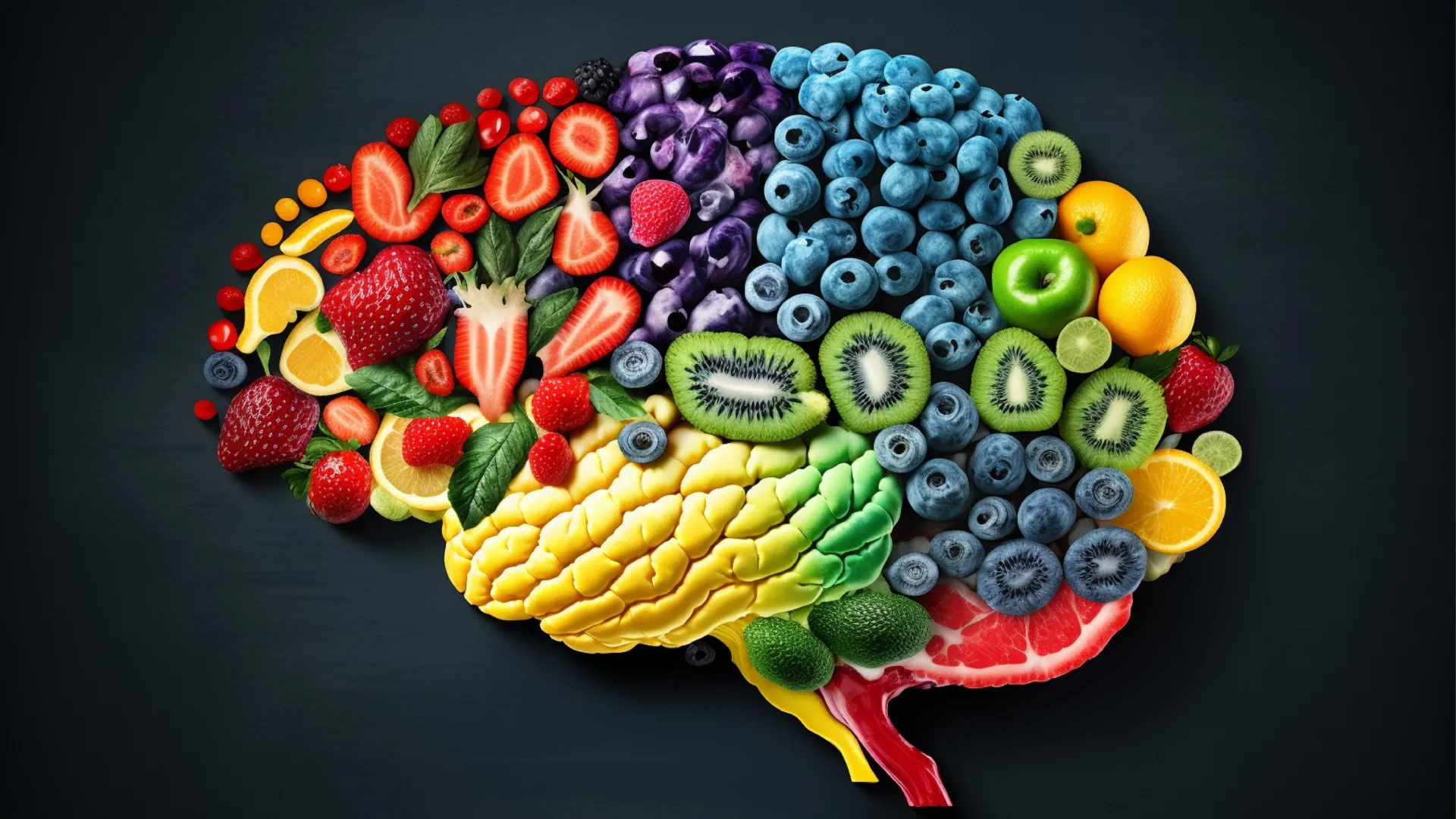
The MIND diet is defined by a specific set of dietary recommendations. It encourages the intake of green leafy vegetables, other vegetables, berries, nuts, whole grains, fish, beans, olive oil, and poultry, while suggesting a moderate intake of wine. Conversely, it advises strict limitation of butter, margarine, cheese, red meat, pastries, sweets, and fried fast foods.
The Power of Specific Nutrients
The study’s granular analysis revealed that not all food groups contribute equally to brain health.
- Berries and Poultry: High intake of berries and poultry stood out as particularly protective. Berries, which are rich in antioxidants, may mitigate oxidative stress, while high-quality protein from poultry may help maintain structural integrity and reduce neuronal damage.
- The "Anti-Brain" Foods: Predictably, the data showed that higher consumption of sweets and fried fast foods was associated with faster ventricular enlargement and greater hippocampal atrophy. These foods are often dense in trans fats and advanced glycation end-products, which can trigger systemic inflammation and vascular damage—two known catalysts for cognitive decline.
- The Whole Grain Paradox: Interestingly, the study yielded some counterintuitive results. Higher whole grain intake was associated with faster losses of grey matter and hippocampal volume. Conversely, cheese consumption was linked to slower declines in these areas. Researchers noted that these findings were unexpected and warrant further investigation to determine if specific types of whole grains or cultural consumption patterns are influencing these outliers.
Official Interpretations and Biological Mechanisms
The researchers suggest that the neuroprotective effect of the MIND diet is likely multi-factorial. By reducing systemic inflammation and oxidative stress, the diet supports the vascular health of the brain. Because the brain is highly sensitive to blood flow and metabolic health, maintaining a healthy cardiovascular system—which the MIND diet is designed to do—is inherently protective of brain tissue.
"MIND-recommended foods rich in antioxidants and high-quality protein sources may reduce oxidative stress and mitigate neuronal damage," the study authors noted. Conversely, they pointed to the inflammatory nature of fast-food diets as a primary driver of the structural atrophy observed in the control groups.
A Stronger Benefit for the Vulnerable
The protective associations of the diet were notably stronger in older participants. This suggests that the diet may be particularly vital for those at higher risk of accelerated brain aging or those who are already experiencing the early, sub-clinical stages of brain atrophy. Furthermore, the correlation was more robust in individuals who maintained high levels of physical activity and avoided obesity, reinforcing the theory that brain health is the result of a holistic lifestyle rather than a single intervention.
Implications: A Future Strategy for Neuroprotection
While the study is observational—meaning it cannot definitively prove that the MIND diet causes the observed structural preservation—the implications for public health are profound. As the global incidence of dementia is expected to rise, simple, scalable, and cost-effective strategies for "brain hygiene" are urgently needed.
Addressing Limitations
The researchers were careful to acknowledge the limitations of their work. Relying on food frequency questionnaires introduces the possibility of recall bias, as participants may struggle to accurately report their diets over many years. Additionally, the cohort was predominantly White, which necessitates future studies to determine if these benefits are consistent across diverse ethnic and socioeconomic populations. The study also could not entirely rule out the influence of genetic factors or the presence of mild cognitive impairment at the baseline.
Moving Forward
Despite these limitations, the study represents a significant step forward in nutritional neurology. The findings bolster the argument that diet should be treated as a primary medical intervention for neurodegeneration. By shifting from a focus on treating symptoms to a focus on structural preservation, the medical community may eventually adopt the MIND diet as a standard of care for aging populations.
For the individual, the message is one of agency. While genetic predispositions to Alzheimer’s and other diseases are beyond our control, the structural integrity of the brain may be partially malleable through the daily, consistent choices made at the dinner table. As the researchers conclude, the data reinforces the potential of the MIND diet as a cornerstone of preventive medicine, offering a tangible path toward maintaining a youthful brain well into our later years.
In an era where "healthy aging" is the ultimate goal, the MIND diet provides more than just a menu; it provides a roadmap for protecting the very essence of who we are—our memories, our decisions, and our minds.