



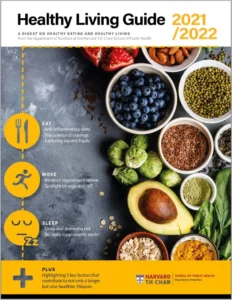


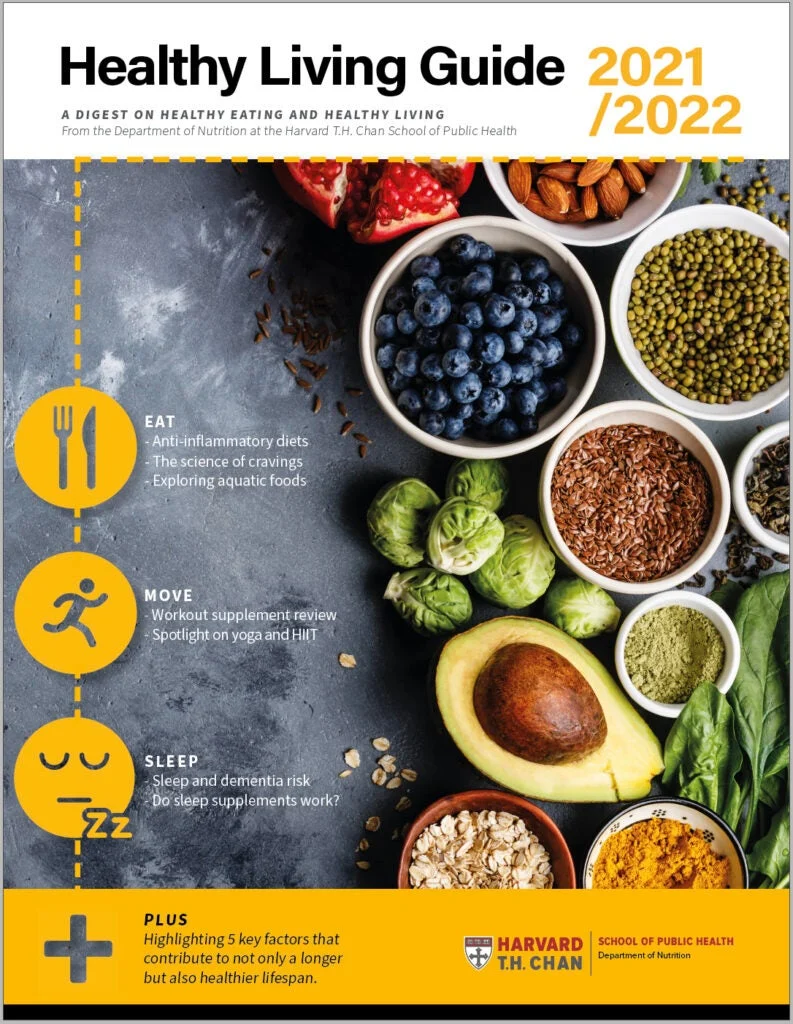
As we move further away from the initial, seismic shifts of 2020, the concept of a "new normal" has evolved from a temporary coping mechanism into a foundational shift in how we approach daily life. The past year has been characterized by a complex synthesis: the resumption of pre-pandemic routines—commuting, social gatherings, and office life—intertwined with the lingering habits and psychological shifts born from the isolation of lockdowns. In this evolving landscape, the Harvard T.H. Chan School of Public Health has released its latest Healthy Living Guide, a vital resource designed to help individuals recalibrate their approach to nutrition, physical activity, and holistic wellness.
Main Facts: The Evolving Landscape of Consumer Behavior
The most recent data suggests that the panic-driven or comfort-seeking behaviors that spiked during the early stages of the pandemic have begun to stabilize. A significant U.S. consumer survey conducted throughout 2021 highlights a measurable retreat from the extremes observed in 2020.
For instance, the compulsion to "snack more" saw a sharp decline, dropping from 32% in 2020 to 18% in 2021. Similarly, the trend of increased overall caloric intake—"eating more in general"—fell from 20% to 11%. However, this normalization of eating habits came with a caveat: the culinary renaissance of 2020, which saw a surge in home cooking, also faced a downturn. As restaurants reopened and work-life schedules tightened, the percentage of Americans cooking at home dropped from 60% in 2020 to 47% in 2021.
This data underscores a critical reality: while we are moving past the immediate crisis, we have yet to find a sustainable balance. The convenience of modern living is once again competing with the nutritional benefits of preparing one’s own meals. The Healthy Living Guide serves as a compass in this transition, emphasizing that small, consistent changes—rather than drastic, unsustainable shifts—are the key to long-term health.
Chronology: From Lockdown to Long-Term Adaptation
To understand where we are, we must look at the timeline of the past 24 months.
- Q2 2020 (The Lockdown Phase): The onset of the pandemic forced a sudden, massive shift. Grocery shopping became a tactical operation, and the home kitchen became the primary source of nutrition. Anxiety-driven snacking and a lack of structured physical activity defined the period.
- Q1–Q4 2021 (The Transition Phase): As vaccines became available, a "return to normalcy" began. People re-entered public spaces. The data suggests a "cooling off" period where the hyper-fixation on home-prepared meals waned, and the convenience economy saw a resurgence.
- 2022 and Beyond (The Integration Phase): The current era is defined by the integration of pandemic-era lessons—such as the importance of mental health and sleep—with the demands of the "old" world. The Healthy Living Guide is positioned to act as a bridge, ensuring that the lessons learned regarding wellness are not discarded as we pick up the pace of our pre-pandemic lives.
Supporting Data: Disparities and Global Implications
While the consumer surveys paint a broad picture of American trends, they also mask the deeper, more systemic issues exposed by the pandemic. The 2021 data points to significant and persistent disparities in food security. While some households pivoted to healthier home-cooked meals, others faced acute economic instability, leading to increased reliance on food banks and the consumption of shelf-stable, calorie-dense, but nutrient-poor foods.
Furthermore, the global context remains dire. The emergence of new COVID-19 variants serves as a sobering reminder that our individual health is inextricably linked to global public health. The disparity in vaccination rates between wealthy nations and low-to-middle-income countries is not merely a political or economic issue—it is a public health crisis that threatens to prolong the pandemic for everyone. Public health experts continue to stress that until global health infrastructure is stabilized, the "new normal" will remain fragile.
Official Responses and Strategic Health Guidance
The Harvard T.H. Chan School of Public Health has curated the Healthy Living Guide to address these systemic and individual challenges. The guide acts as an authoritative, evidence-based roadmap. It moves away from "fad diets" and "quick fixes," focusing instead on the "Big Three" pillars of health:
- Nutritional Integrity: The guide encourages a return to whole, plant-forward diets. By providing printable tip sheets, it helps individuals reclaim the home-cooking habits that were lost in the 2021 transition.
- Physical Activity: Recognizing that many still work from home or in hybrid environments, the guide offers strategies to integrate movement into sedentary workdays, combating the "sitting disease" that has become more prevalent since 2020.
- Restorative Sleep: Sleep is frequently the first casualty of stress. The guide provides modern research on how to regulate sleep cycles, which is critical for immune function—a vital defense mechanism in an ongoing pandemic.
The experts behind the guide argue that these are not merely "lifestyle choices" but fundamental biological requirements. By prioritizing these areas, individuals can bolster their resilience against both infectious diseases and chronic conditions like cardiovascular disease and diabetes.
Implications: Building Resilience for the Future
What does this mean for the average person? The implication is that we must move from a state of "reactive survival"—buying food out of fear, or snacking out of boredom—to "proactive cultivation."
The Importance of Scientific Literacy
A recurring theme in the latest edition is the importance of navigating health information. In an era of social media misinformation, the guide emphasizes the need for evidence-based decision-making. By testing one’s knowledge through the guide’s built-in quizzes, readers are encouraged to verify what they think they know about nutrition.
The Mental-Physical Connection
The pandemic underscored that mental health and physical health cannot be separated. The Healthy Living Guide does not treat "healthy eating" as a sterile caloric math problem. Instead, it frames nutrition and activity as tools for mental clarity, stress management, and emotional stability.
The Role of Community
Finally, the guide reminds us that health is a social construct. Whether it is through cooking for family, engaging in outdoor group activities, or advocating for equitable food access in one’s community, individual health efforts are amplified when they are shared.
Conclusion: A Call to Action
As we navigate the ongoing twists and turns of this global health crisis, the responsibility to maintain health rests on both the individual and the collective. The Healthy Living Guide is more than a PDF or a collection of articles; it is a declaration that despite the unpredictability of the world, we retain agency over our daily habits.
We encourage readers to download the Healthy Living Guide and treat it as a living document. Use the printable tip sheets to structure your grocery lists, utilize the research summaries to inform your conversations about health, and take the time to test your knowledge against the latest scientific findings.
The year 2022 represents an opportunity to consolidate the lessons of the past two years. By choosing to prioritize nutrient-dense food, consistent movement, and adequate rest, we do more than just survive the pandemic; we build the foundational strength necessary to thrive in whatever the future holds.
Key Takeaways for Your Health Journey:
- Moderation is key: Don’t be discouraged by the "snacking" statistics; focus on consistent, whole-food choices.
- Reclaim the kitchen: Even if you can’t cook every meal, aim to increase your home-cooking frequency by just 10% compared to 2021.
- Stay Informed: Use reputable sources like the Harvard Nutrition Source to cut through the noise of health trends.
- Test Yourself: Don’t forget to take the "Healthy Living Knowledge" quiz provided in the guide to see how your current habits measure up to current research.
For more in-depth analysis and to access the full repository of articles, visit the official Harvard Nutrition Source website.