






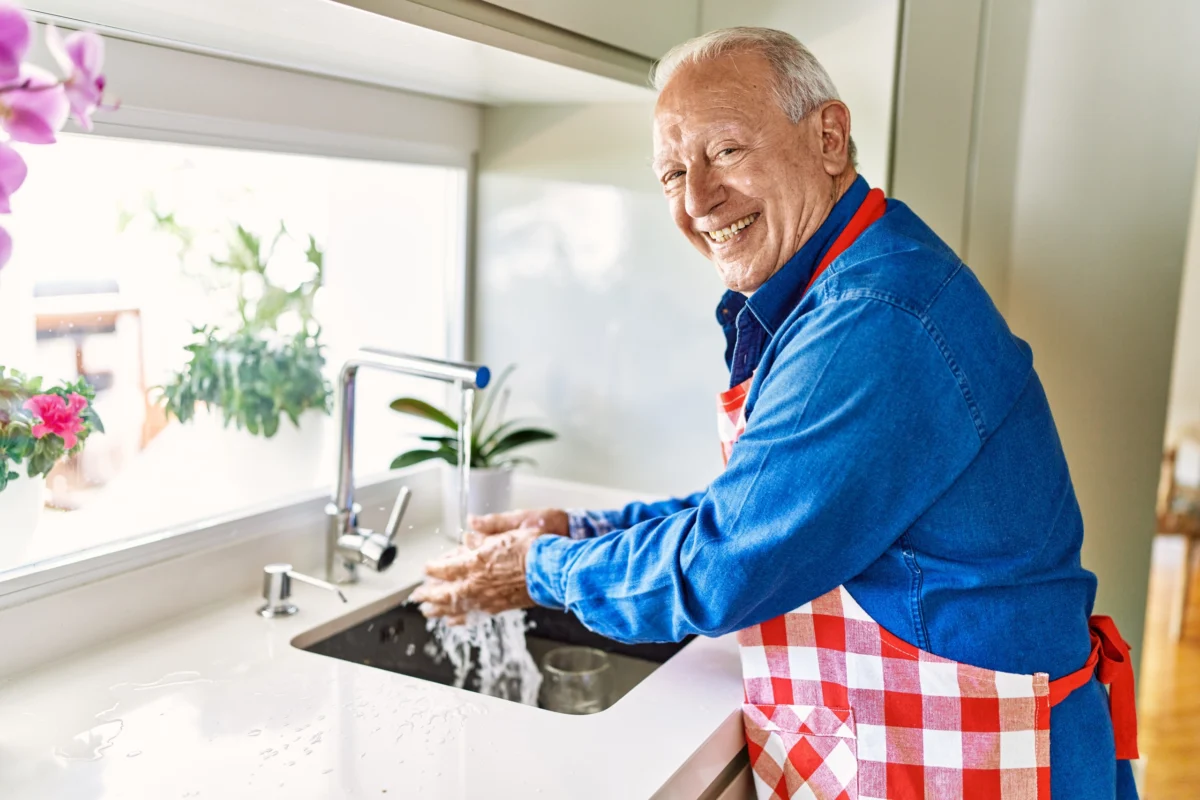
The holiday season is traditionally a tapestry of cherished rituals—the clinking of glasses, the aroma of a slow-roasted meal, the anticipation of football games, and the warmth of multigenerational connection. However, as the temperatures drop and social calendars fill, the season also marks the peak of the "respiratory virus season." For older adults, who are statistically more vulnerable to the complications of influenza, COVID-19, and Respiratory Syncytial Virus (RSV), the holidays require a shift from passive enjoyment to proactive health management.
Ensuring that the festive period remains a time of joy rather than a period of medical recovery requires a strategic approach. By integrating preventative medicine, hygiene vigilance, and lifestyle maintenance, older adults can safeguard their health without compromising the spirit of the season.
Main Facts: The Triple Threat of Winter Viruses
As winter approaches, the intersection of indoor social gatherings and the circulation of respiratory pathogens creates a unique environment for viral transmission. While the general population may experience these viruses as minor inconveniences, the physiological changes associated with aging—such as a naturally declining immune response (immunosenescence)—mean that older adults face a significantly higher risk of hospitalization and severe outcomes.
The Primary Pathogens
- Influenza (The Flu): Despite annual awareness campaigns, the flu remains a leading cause of preventable death among the elderly. It can exacerbate underlying chronic conditions like heart disease or diabetes.
- COVID-19: While the pandemic phase has evolved into an endemic state, the virus continues to mutate. For those over 65, the risk of "long COVID" and severe respiratory distress remains a critical concern.
- RSV (Respiratory Syncytial Virus): Once thought of primarily as a pediatric concern, RSV is increasingly recognized as a major threat to older adults, causing severe pneumonia and bronchiolitis in those with compromised immune systems.
The core message from health authorities is clear: prevention is not just a personal choice; it is a vital strategy for maintaining independence and quality of life during the winter months.
Chronology: A Strategic Timeline for Holiday Wellness
Managing health during the holidays is not a singular event but a series of calculated steps taken in the weeks leading up to the festivities.
Phase 1: The Pre-Holiday Preparation (November)
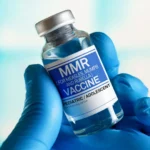
This is the "Golden Window" for vaccination. Vaccines require approximately two weeks to elicit a robust immune response. If you have not yet received your flu shot or updated COVID-19 boosters, early November is the optimal time to visit a pharmacy or primary care provider.
Phase 2: The Planning Stage (Early December)
As travel plans and large family dinners are finalized, assess your environment. If you are hosting, consider the airflow in your home. If you are traveling, prepare a "health kit" that includes masks, hand sanitizer, and rapid diagnostic tests.
Phase 3: The Gathering Period (Mid-to-Late December)
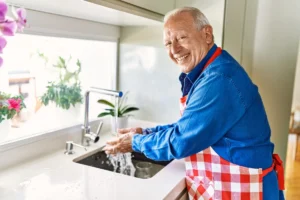
During the height of the celebrations, maintain consistency. While it is tempting to abandon routines, the immune system thrives on predictability. Continue regular handwashing and remain mindful of symptoms in guests or family members.
Phase 4: The Recovery Phase (January)
The holidays do not end the viral season. Continue to monitor your health in the weeks following the festivities. If symptoms emerge, the "early intervention" window is crucial for the efficacy of antiviral treatments.
Supporting Data: Why Vigilance Matters
Statistical evidence consistently highlights the disproportionate impact of respiratory illnesses on the aging population. According to the Centers for Disease Control and Prevention (CDC) and similar public health bodies, individuals aged 65 and older account for the vast majority of hospitalizations related to seasonal influenza.
Immune Efficacy and Age
As humans age, the thymus gland—which produces T-cells, the body’s primary defense against new infections—shrinks, leading to a less efficient immune response. This makes vaccines essential, as they provide the "blueprint" for the immune system to recognize and fight off specific viral strains without the body having to endure the full-blown infection.

The Impact of Sleep on Immunity
Data suggests that sleep deprivation is a significant disruptor of immune function. A study on cytokine production—the proteins that regulate immune responses—shows that those who sleep fewer than seven hours a night are significantly more susceptible to the common cold and influenza than those who achieve the recommended 8–9 hours. During the holidays, where travel and late-night social interactions are common, protecting one’s sleep schedule acts as a biological shield.
Official Responses and Clinical Guidelines
Health experts and organizations, such as the Alliance for Aging Research, have consistently emphasized the "Back to Basics" approach to health.
The Vaccine Consensus
Medical professionals argue that vaccine hesitancy is often rooted in misinformation. The current clinical consensus is that the benefits of the current generation of vaccines far outweigh the minimal risks of side effects. For those unsure of their immunization status, the recommendation is to consult a pharmacist. Pharmacists have become the frontline of preventative care, offering accessibility that is often easier to navigate than traditional clinic appointments.
The Role of Antivirals
If a virus is contracted, the "time-to-treatment" metric is vital. Antiviral medications, such as those prescribed for the flu or COVID-19, are most effective when administered within the first 48 to 72 hours of symptom onset. Delaying care to see if a symptom "goes away on its own" can be a missed opportunity to prevent a minor illness from escalating into a hospitalization.
Implications: Protecting the Future of Aging
The implications of these health habits extend far beyond the immediate holiday season. Adopting a proactive mindset regarding vaccines, hygiene, and rest sets a precedent for long-term health.
Social Connectivity vs. Isolation
One of the greatest risks to older adults is social isolation. Some may choose to forgo gatherings entirely out of fear of illness. However, the mental health benefits of social interaction are profound, reducing the risk of depression and cognitive decline. By taking the recommended precautions—vaccination, hygiene, and monitoring symptoms—older adults can confidently participate in social life, balancing the necessity of health with the fundamental human need for community.
Empowerment through Information
Education is the ultimate tool for autonomy. Programs like the Alliance’s Back to Basics video series empower seniors to ask the right questions of their doctors. By understanding the "why" behind the medical recommendations, individuals can move from being passive recipients of advice to active managers of their own health.
Conclusion
As we look toward the holiday season, the objective is not to retreat from the world, but to engage with it smartly. Whether it is through the simple act of washing hands, the commitment to a consistent sleep schedule, or the decision to stay up to date on clinical vaccinations, these actions represent a commitment to one’s own longevity.
For those seeking further guidance, resources such as AgingResearch.org/OurBestShot provide a wealth of information designed to help seniors navigate the complexities of the respiratory season. By preparing now, we ensure that the memories created this year are defined by laughter and connection, not by preventable illness.
Katrin Werner-Perez serves as the Director of Health Programs at the Alliance for Aging Research, where she leads efforts to promote evidence-based health practices for the aging population.